
Renewable Energy Holds Strong Despite Political Headwinds
Clean power accounts for roughly 90% of new U.S. grid capacity, signaling the sector's resilience even amid policy uncertainty.
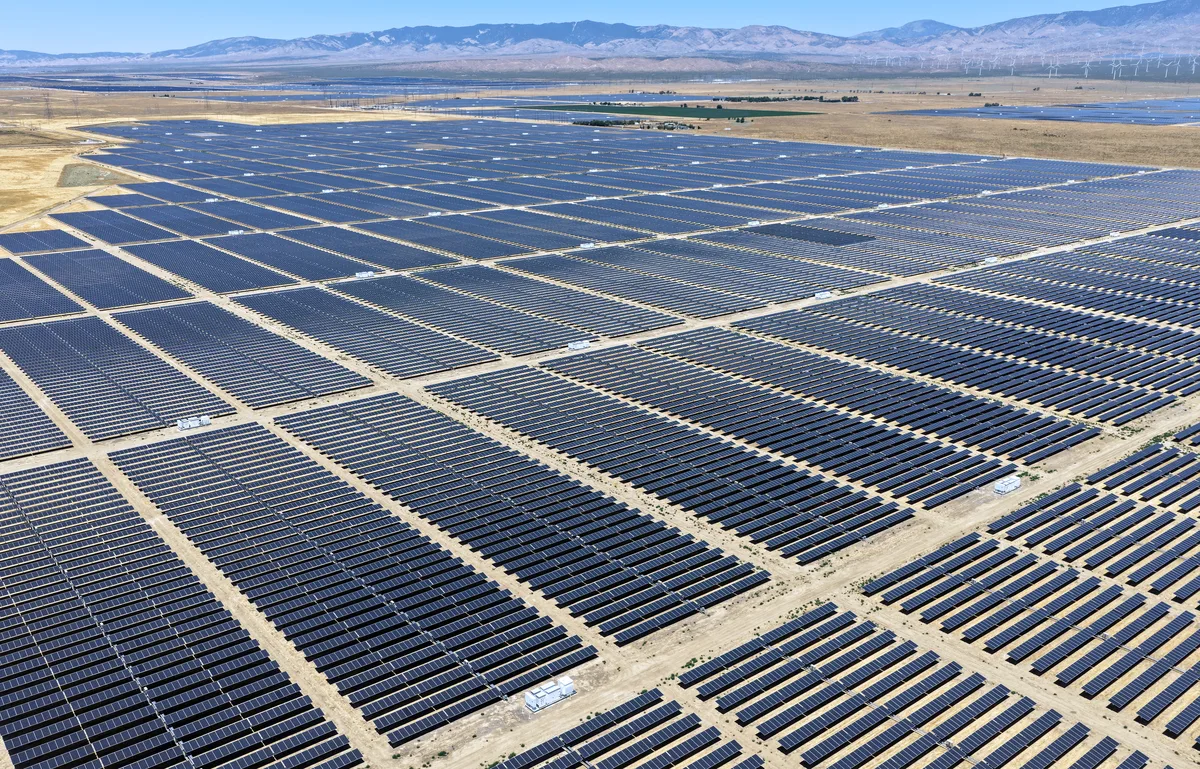
The clean energy sector may be navigating a turbulent political landscape, but the underlying growth numbers tell a different story. According to the CEO of the American Clean Power Association, renewable and other clean power sources are responsible for approximately 90% of all new electrical capacity currently being added to the U.S. grid — a figure that underscores how thoroughly the economics of clean energy have taken hold, independent of any single administration's priorities.
That statistic carries significant analytical weight. When a technology captures nine out of every ten units of new grid capacity, it is no longer a policy story — it is a market story. Utilities, grid operators, and private developers are making capital allocation decisions based on cost curves and reliability projections, not solely on federal incentives. Wind and solar in particular have seen dramatic declines in levelized cost of energy over the past decade, making them increasingly competitive with conventional fossil fuel generation even before subsidies are factored in.
The resilience of clean power investment also reflects structural demand drivers that are difficult to reverse. Data center buildout, electric vehicle adoption, and domestic manufacturing expansion — particularly in semiconductors and batteries — are collectively straining existing grid infrastructure and requiring substantial new capacity additions. Renewable projects, which can often be permitted and constructed faster than large conventional plants, are well-positioned to meet that demand.
For investors, the combination of durable demand and dominant market share in new capacity additions suggests that certain clean energy equities may be undervalued if the market is pricing in excessive regulatory risk. The sector has historically experienced sharp drawdowns during periods of policy uncertainty, potentially creating entry points for long-term oriented portfolios that see through near-term noise.
The broader takeaway is that the energy transition, whatever its political fate at the federal level, has achieved sufficient economic momentum that a reversal would require more than rhetoric — it would require markets to actively choose more expensive alternatives. Continue reading at US Top News and Analysis.