SNAP Restrictions Reshape Grocery Choices, Alarm Food Industry
More states are limiting what SNAP recipients can buy, forcing a potential reckoning for food and beverage giants reliant on low-income consumers.
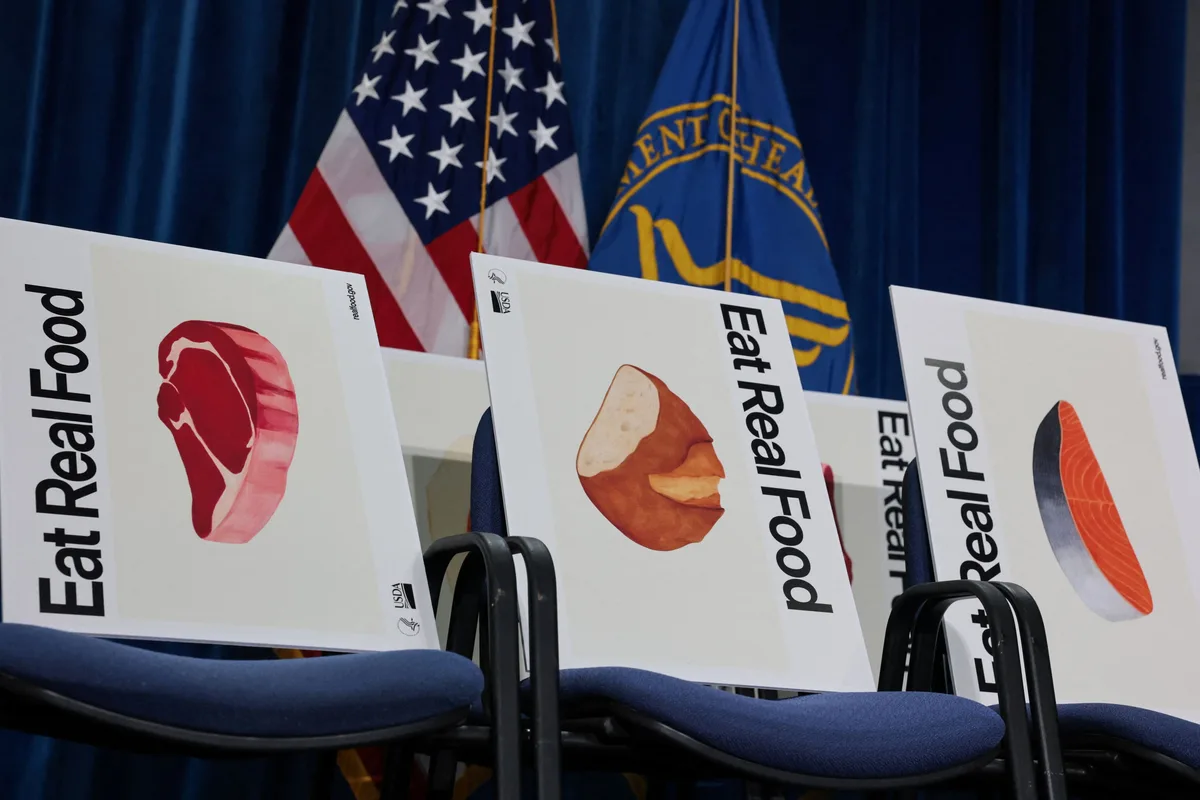
A quiet policy shift is gaining momentum across the United States: state governments are moving to restrict what Supplemental Nutrition Assistance Program recipients can purchase with their benefits. The targets are familiar — sugary sodas, candy, and heavily processed foods — and the implications for the food and beverage industry are anything but trivial.
For decades, major food conglomerates have counted on SNAP-eligible households as a reliable and substantial consumer base. When states begin carving out entire product categories from benefit eligibility, they are effectively redrawing the commercial map for snack makers, soda brands, and packaged food manufacturers. The industry is watching closely because even a partial rollback in purchasing access could translate into meaningful revenue headwinds at scale.
Read more Paris Police Arrest 20 at Banned Iran Opposition Rally →
The policy momentum reflects a broader national conversation about whether federal nutrition assistance should fund purchases that public health experts associate with diet-related disease. Proponents of restrictions argue that taxpayer-funded benefits should steer recipients toward healthier choices; critics counter that such limits are paternalistic and logistically complex to enforce at the checkout counter. Neither side is backing down, which means the regulatory landscape is likely to remain contested and uneven across state lines for the foreseeable future.
What makes this moment analytically significant is the intersection of policy, public health, and corporate strategy. If restrictions become widespread, food companies may face pressure to reformulate products, shift marketing priorities, or lobby aggressively against further expansion of such rules. Consumer behavior, too, could shift in ways that outlast the policy itself — habituated purchasing patterns are hard to reverse once disrupted. The downstream effects on grocery retailers, which depend on foot traffic driven in part by SNAP redemptions, add yet another layer of complexity.
Continue reading at US Top News and Analysis