South Korean Retail Investors Burned by Leveraged Chip Stock Bets
Heavy losses mount for South Korean traders after leveraged positions in Samsung and SK Hynix collapse amid a sharp market sell-off.
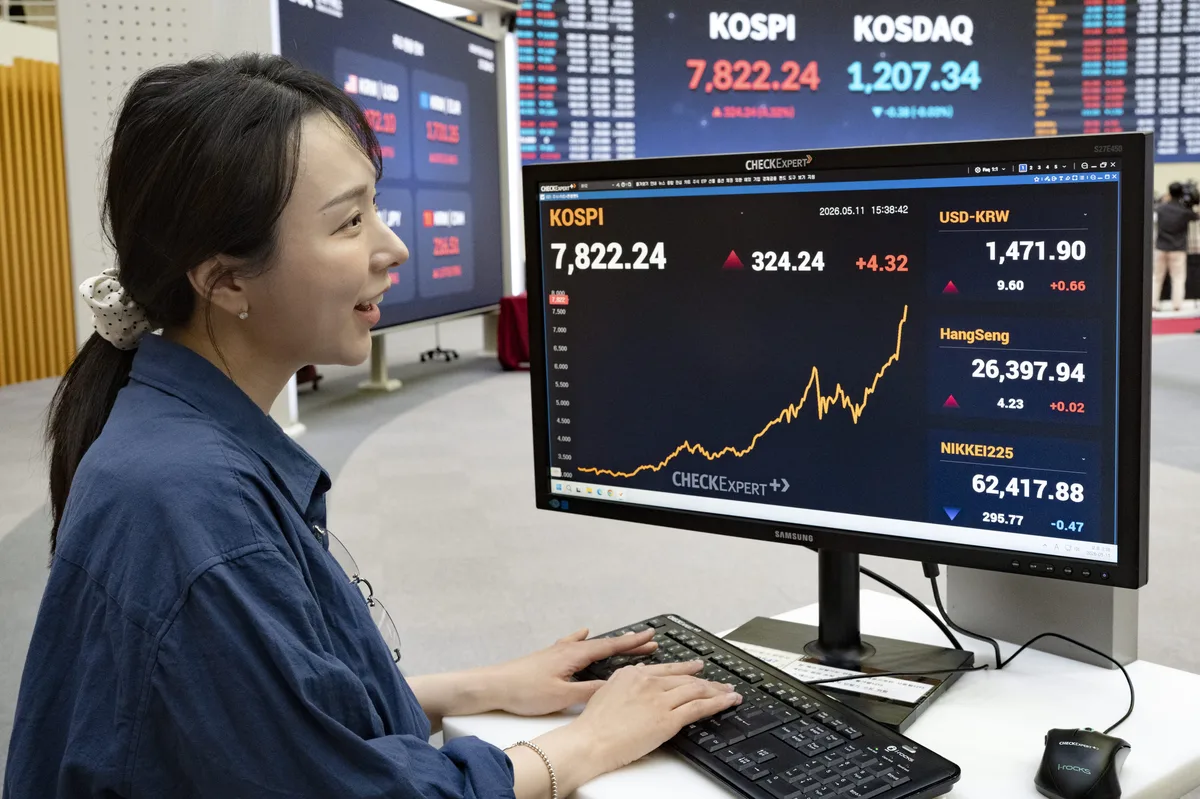
South Korean retail investors are confronting painful losses after leveraged bets on two of the country's most prominent semiconductor giants — Samsung Electronics and SK Hynix — reversed course sharply, leaving many traders exposed and desperate for recourse. The episode underscores a recurring vulnerability in retail trading culture: the seductive appeal of amplified gains through leverage, and the devastating speed with which those positions can unravel when sentiment turns.
Leveraged products, which allow investors to multiply their exposure to underlying stocks, are particularly treacherous in volatile sectors like semiconductors, where valuations swing on global demand cycles, geopolitical pressures, and inventory dynamics. Samsung and SK Hynix sit at the center of the global memory chip market, making them both bellwether investments and high-risk instruments when broader tech sentiment deteriorates. When the sell-off arrived, margin calls and forced liquidations likely accelerated the losses beyond what many retail participants had anticipated.
Read more Zilliqa Requests Exchange Freezes After Cold Wallet Breach →
The human cost of these unwound positions is audible in the frustration now surfacing among affected traders. The phrase "give me my money back" captures a sentiment that regulators and policymakers in Seoul should take seriously — not as an actionable legal claim, but as a signal of how inadequately many retail participants understood the risk profile of the instruments they were using. Financial literacy gaps and the ease of accessing leveraged products through mobile trading apps remain structural concerns across Asian retail markets.
For South Korea, which has cultivated one of the most active retail investor bases in Asia, this episode may prompt renewed scrutiny of leverage limits and disclosure requirements for complex financial products. Authorities have previously debated how to protect so-called "ants" — the colloquial term for retail investors — without stifling market participation. Whether this latest round of losses translates into regulatory action, or simply becomes another cautionary tale absorbed and forgotten, remains to be seen.
Continue reading at US Top News and Analysis.