SpaceX Shares Slide 7%, Erasing Gains for Average IPO Buyer
A two-day selloff has pushed SpaceX stock near its volume-weighted average price, leaving most post-IPO buyers barely breaking even.

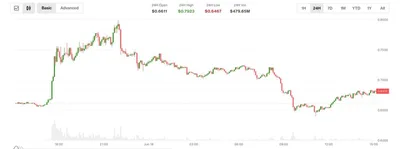
SpaceX shares dropped as much as 7% on Thursday, touching $178 and putting the stock uncomfortably close to its volume-weighted average price of just under $180. That benchmark is significant: it represents the average cost basis for investors who purchased shares since the IPO, meaning the typical post-listing buyer is now essentially flat — or marginally in the red depending on their entry point.
The two-day slide is a sharp reminder of how quickly sentiment can shift in high-profile public offerings. SpaceX entered the public markets with enormous enthusiasm, driven by its dominance in commercial launch services and the broader appeal of Elon Musk-adjacent ventures. But enthusiasm alone does not insulate a stock from profit-taking, sector rotation, or broader market volatility — all forces that can compress even the most compelling growth narratives in the near term.
Read more Dollar Index Eyes Major Breakout That Could Pressure Bitcoin →
The volume-weighted average price, or VWAP, is more than a technical indicator here — it functions as a psychological line in the sand. When a newly public stock trades at or below VWAP, it signals that the collective post-IPO investor base is losing money, which can trigger additional selling as holders reassess their conviction. For SpaceX, breaching that threshold even briefly could weigh on momentum and dampen institutional appetite in the secondary market.
What remains to be seen is whether Thursday's dip represents a healthy consolidation after an initial pricing surge or the beginning of a more sustained correction. The company's long-term fundamentals — including its Starlink satellite business and lucrative NASA and Defense Department contracts — give bulls reason to hold. But in the near term, the stock's inability to sustain post-IPO gains will be closely watched by market participants sizing up the durability of investor appetite for space-sector equities.
Continue reading at US Top News and Analysis.