States Compete for Defense Jobs as Trump Boosts Military Budget
Trump's record defense budget request and push to restock depleted weapons arsenals are igniting fierce interstate competition for contracts and jobs.
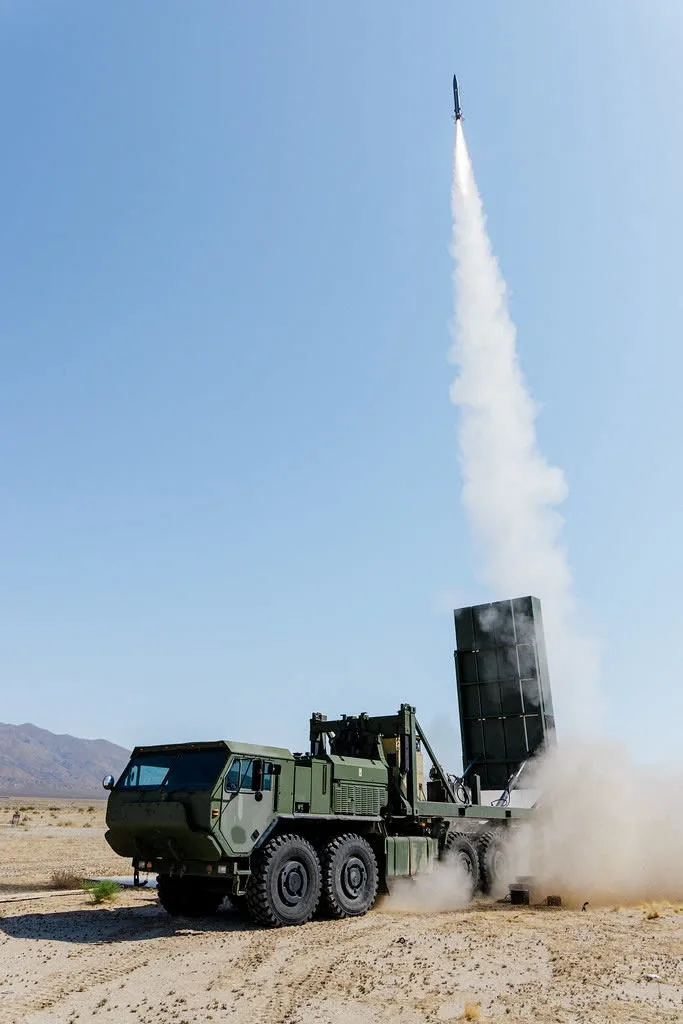
A new front in American economic competition has opened, and it has nothing to do with trade tariffs or tech corridors. President Donald Trump's sweeping defense budget request, paired with an urgent national priority to replenish weapons stockpiles drawn down during years of foreign military assistance, is triggering an aggressive state-by-state scramble for defense industry investment, manufacturing facilities, and the well-paying jobs that follow.
The scale of the budget proposal is reshaping strategic calculations for governors, economic development offices, and local lawmakers across the country. States with existing defense infrastructure — established bases, aerospace clusters, and skilled manufacturing workforces — hold obvious advantages, but the sheer size of the spending push means even states without deep military-industrial roots are positioning themselves as viable competitors for new contracts.
Read more UK Food Inflation Hits 2025 Low as Summer Staples Cool Prices →
Among the most closely watched priorities is the push to develop and mass-produce hypersonic missiles, a weapons category where the United States has lagged behind rivals including China and Russia. That technology race carries enormous economic implications: the facilities, supply chains, and specialized labor required to build next-generation hypersonic systems represent a long-term industrial commitment, not a one-cycle contract. States that successfully attract that infrastructure stand to benefit for decades.
The broader context matters here. Years of drawing down domestic weapons stocks — particularly ammunition, air defense interceptors, and precision-guided munitions transferred to allies — created a recognized readiness gap that defense planners have flagged as a strategic vulnerability. Closing that gap requires not just appropriations but physical manufacturing capacity, which is where state competition becomes most intense. Incentive packages, workforce training pledges, and land deals are all on the table as states make their pitches to prime contractors and Pentagon planners alike.
What emerges from this competition will likely define the next generation of America's defense industrial geography, concentrating economic power in the states that move fastest and most strategically. Continue reading at US Top News and Analysis.