TikTok and YouTube Are Reshaping How Fans Watch Sports
Social platforms are capturing younger audiences, forcing leagues, teams, and broadcasters to rethink how they deliver sports content.
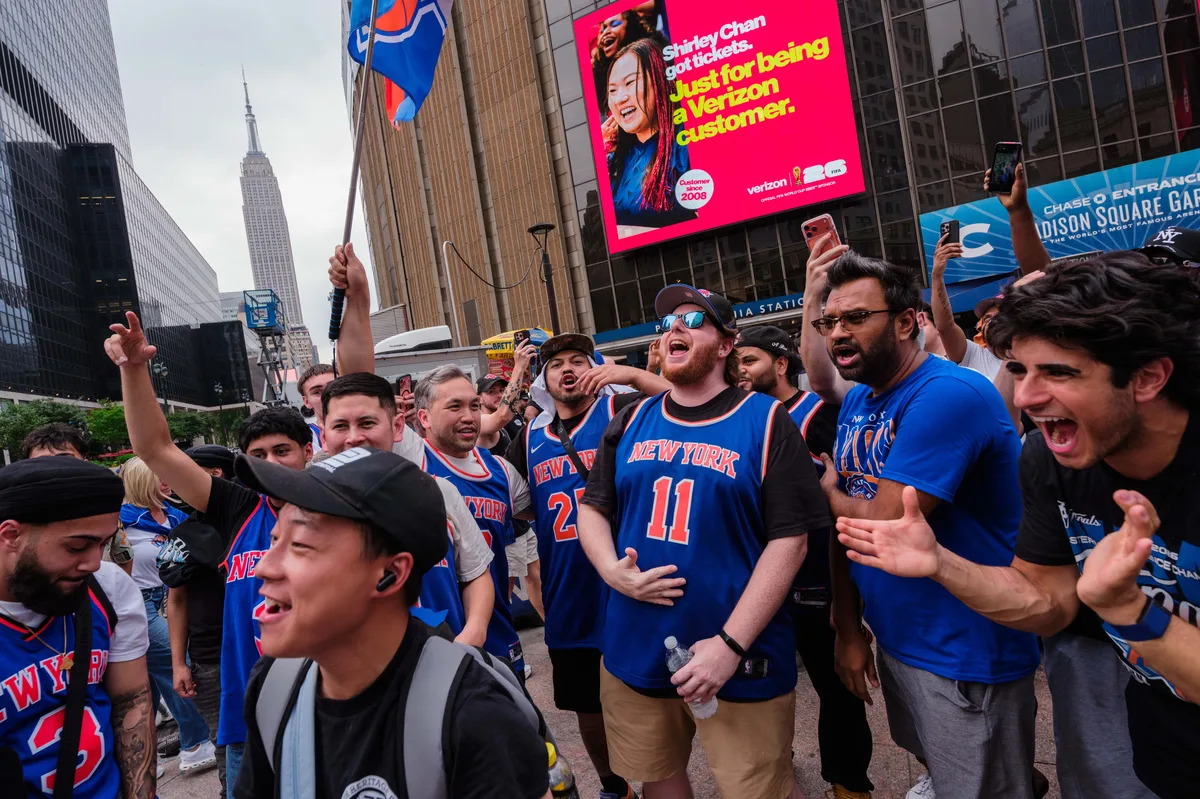
The sports media landscape is undergoing a quiet but consequential transformation. Platforms like TikTok, YouTube, and even gaming environments such as Roblox are no longer just supplementary entertainment — they have become the primary arenas where younger fans engage with sports culture, highlights, and commentary.
Traditional broadcasters built their empires on appointment television: fans tuned in at a set time, on a specific channel, for live game coverage. That model assumed a captive audience with limited alternatives. Today's younger viewers operate differently, consuming short-form clips, creator-driven analysis, and interactive content on their own schedules — and the numbers show they are spending the majority of their screen time on social platforms rather than linear TV.
Read more FIFA Permits Rainbow Flags at Egypt vs. Iran World Cup Match →
Leagues and teams are responding by shifting meaningful resources toward native social content, not just repurposed broadcast footage. The strategic implication is significant: rights holders who once thought of social media as a promotional channel are increasingly treating it as a distribution channel in its own right. For broadcasters, that distinction carries enormous financial and structural consequences.
The deeper tension here is one of ownership and monetization. When a league's most-watched content lives on YouTube or TikTok, advertising revenue and audience data flow to the platform, not the rights holder or the network that paid billions for broadcast access. How that value equation gets renegotiated — through licensing deals, revenue-sharing arrangements, or direct-to-consumer products — may define sports media economics for the next decade.
For now, the message from the data is unambiguous: younger fans are not abandoning sports, they are consuming it differently. Broadcasters and leagues that adapt their content strategies accordingly stand to retain relevance; those that cling to legacy distribution models risk becoming invisible to the next generation of viewers. Continue reading at US Top News and Analysis.