Trump Attacks 'Hostile' Fed, Signals Warsh Rate Move Ahead
President Trump escalated his pressure campaign on the Federal Reserve, hinting Kevin Warsh may act on rates and reaffirming plans to remove Governor Lisa Cook.
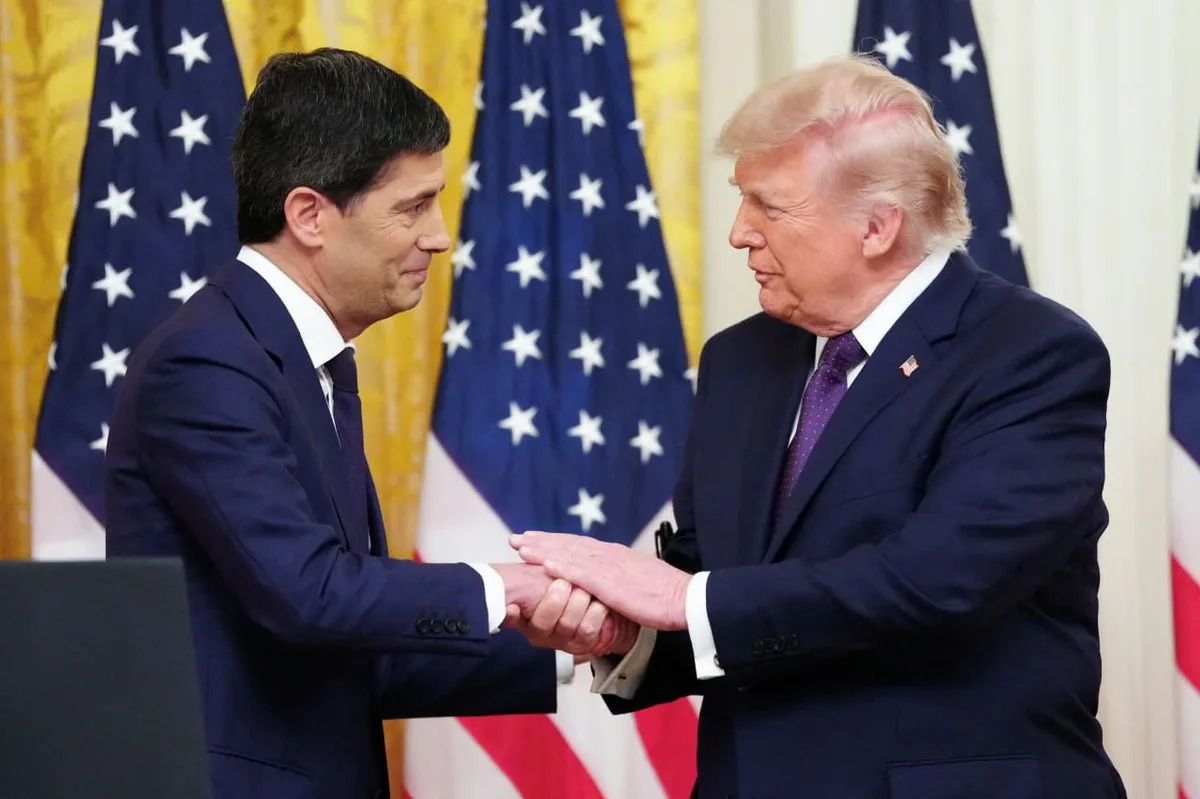
President Donald Trump intensified his public confrontation with the Federal Reserve this week, describing the central bank as "hostile" and signaling that Kevin Warsh — widely seen as a potential Fed chair candidate — would act independently on interest rates. The remarks represent the latest escalation in a sustained effort by Trump to influence monetary policy, a domain traditionally insulated from White House pressure.
In the interview, Trump told Warsh he "has to do what he has to do" regarding interest rates — language that, while ostensibly deferential, carries the unmistakable subtext of presidential expectation. For markets and Fed watchers, the comment raises fresh questions about how much institutional independence the central bank can maintain as political pressure intensifies heading into a critical period for rate policy.
Read more Trump Touts Market Gains, but Most Americans Aren't Invested →
Equally significant is Trump's reiteration of his intention to remove Fed Governor Lisa Cook from the board. Cook, appointed by President Biden, has been a target of criticism from Trump allies for some time. A forced removal of a sitting Fed governor would be legally unprecedented and would almost certainly trigger a constitutional confrontation over the limits of executive authority over independent agencies.
The broader context matters here: the Fed is navigating a delicate balance between stubborn inflation risks and a softening labor market, and any perception of political interference could rattle bond markets and undermine confidence in the dollar. Historically, central bank credibility depends in large part on the belief that rate decisions are made on economic data alone — not at the behest of elected officials.
Analysts note that Trump's rhetoric, even if it does not translate into direct action, can itself become a market-moving variable by injecting uncertainty into Fed deliberations. Whether Warsh, Cook's potential successor dynamics, or the broader independence debate ultimately reshapes Fed policy remains to be seen. Continue reading at MarketWatch.com.