Trump Defends Family Crypto Profits Amid Ethics Questions
President Trump dismissed concerns over his family's cryptocurrency gains, calling the windfall appropriate and free of wrongdoing.
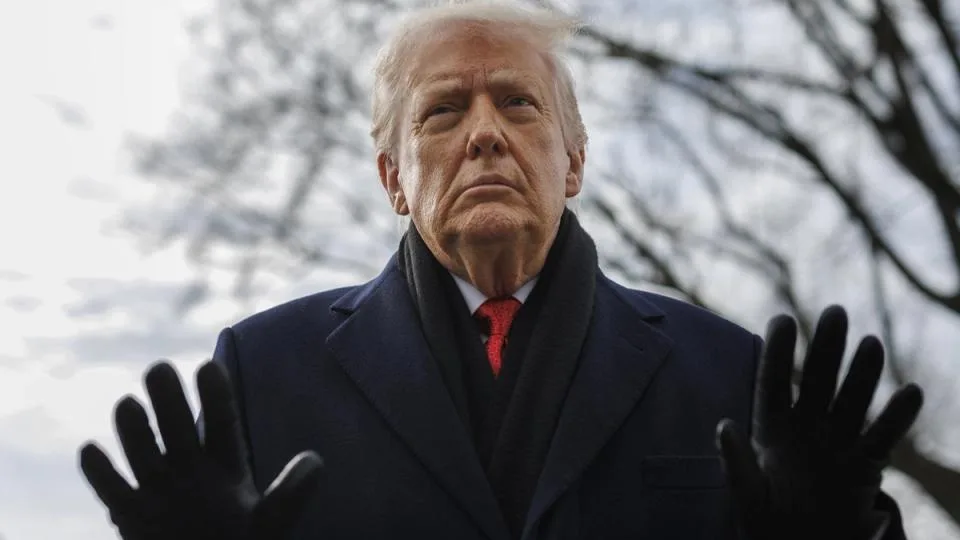
President Donald Trump pushed back against critics questioning the financial benefits his family has reaped from cryptocurrency ventures, stating publicly that there is "nothing wrong" with the profits they have accumulated. The remarks come as scrutiny intensifies over the intersection of Trump family business interests and the administration's increasingly crypto-friendly policy posture.
The statement represents a notable moment in the ongoing debate over potential conflicts of interest, as the White House has simultaneously moved to ease regulatory constraints on the digital asset industry. Critics and ethics watchdogs have argued that a sitting president's family profiting from a sector directly shaped by executive policy decisions raises serious governance concerns — concerns the president appears intent on dismissing outright.
Read more New Hampshire Gov. Ayotte Vetoes Nine Bills, Blocks Book Ban and Toll Hike →
The broader context matters here. Trump's embrace of crypto as a political identity — positioning himself as a pro-innovation alternative to what he characterizes as regulatory overreach — has coincided with measurable financial gains for Trump-affiliated digital asset projects. Whether those gains stem from legitimate market enthusiasm or from the implicit policy guarantee of a sympathetic administration is a question that remains unresolved and deeply contested.
What makes this episode analytically significant is not simply the money involved, but the precedent it sets. When a chief executive publicly normalizes family profit-taking in a sector his administration is actively deregulating, it compresses the traditional distance between personal enrichment and public office. That compression is precisely what ethics frameworks are designed to prevent, and Trump's dismissal suggests he views those frameworks as optional rather than obligatory.
Continue reading at CoinDesk