Trump Traded Tech Stocks Before His Tariff Policy Reversal
Trump made major stock purchases in Apple, Nvidia, and other tech firms the day before reversing tariff policy, sparking ethics questions.
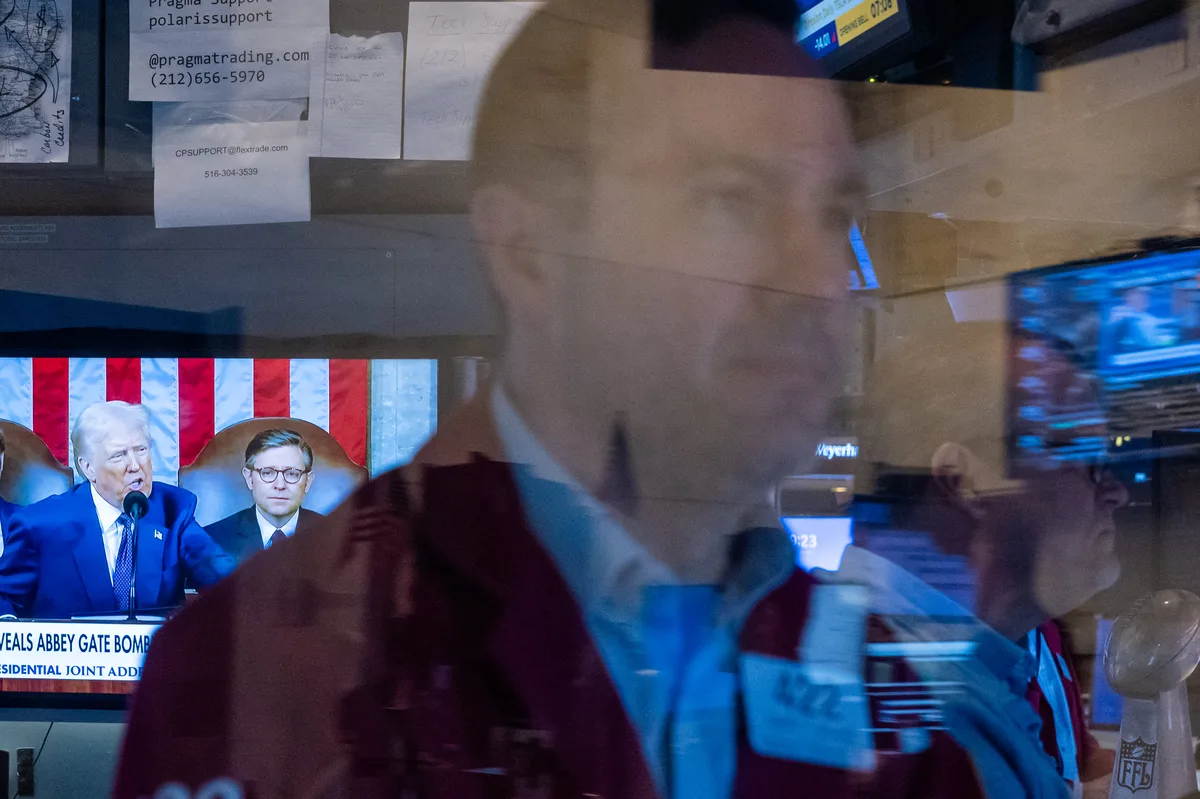
President Donald Trump made some of his most active stock market moves of 2025 on the day immediately preceding his significant reversal on tariff policy — a timeline that has drawn immediate scrutiny from ethics watchdogs and market observers alike. The purchases included shares in high-profile technology companies such as Apple and Nvidia, both of which surged in value once the tariff walk-back became public.
The sequencing raises uncomfortable questions about the boundary between policymaking and personal financial gain for a sitting president. While presidents are not subject to the same insider trading laws that govern members of Congress under the STOCK Act, the optics of buying equities in sectors directly affected by an imminent policy shift cut to the heart of long-standing debates about executive branch financial disclosure and conflict-of-interest standards.
Read more Dow Hits Record as Jobs Data Raises Wage Growth Concerns →
Technology stocks are among the most tariff-sensitive segments of the U.S. market, given how deeply the sector depends on global supply chains — particularly manufacturing concentrated in Asia. Any signal that steep tariffs might be softened or delayed would be expected to deliver an immediate windfall to companies like Apple and Nvidia, whose valuations are closely tied to cross-border production economics. That is precisely what happened when the policy reversal was announced and markets rebounded sharply.
Analysts note that the episode underscores a structural gap in American governance: there is no comprehensive, enforceable mechanism that prevents a president from trading in individual securities while simultaneously wielding enormous influence over the policies that move those securities. Whether this episode produces legislative momentum for reform remains an open question, but the episode has already reignited calls for mandatory blind trusts or broader trading prohibitions at the executive level.
Continue reading at US Top News and Analysis