U.S.-Iran Nuclear Deal: What the Agreement Covers and What It Doesn't
A preliminary U.S.-Iran accord lifted markets, but major sticking points over the Strait of Hormuz, Israel, and next steps remain unresolved.
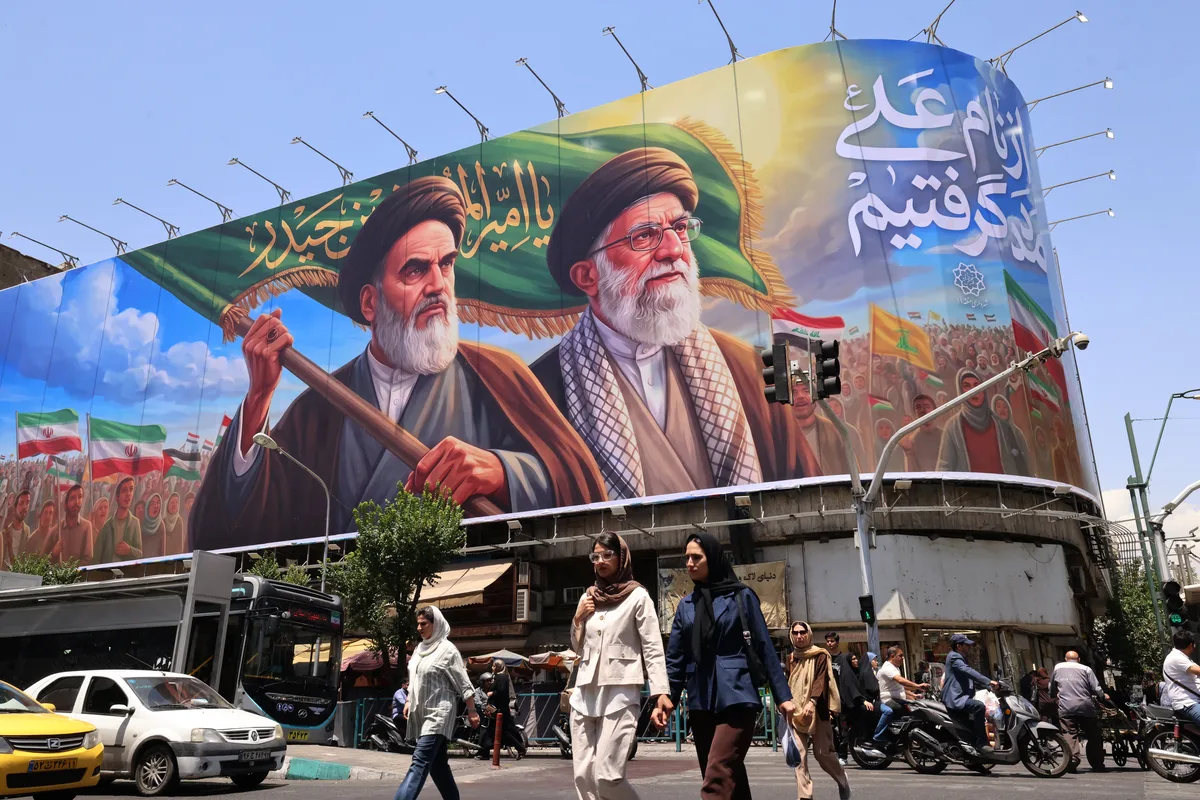
A preliminary agreement between the United States and Iran sent equity markets higher, offering investors a rare moment of optimism amid months of geopolitical tension in the Middle East. Yet the rally may be getting ahead of the diplomacy — the deal is far from finalized, and the gaps that remain are anything but minor.
Among the most consequential unresolved issues is the status of the Strait of Hormuz, the narrow waterway through which a significant share of the world's seaborne oil supply passes. Any ambiguity over Iranian commitments in that corridor carries outsized implications for global energy markets and U.S. naval posture in the region.
Read more CFTC Adds SEC Crypto Adviser With Blockchain Forensics Skills →
Israel's role — or more precisely, how any final agreement accounts for Israeli security concerns — adds another layer of complexity. Tel Aviv has historically viewed Iranian nuclear progress as an existential threat, and Israeli officials have signaled deep skepticism about diplomatic frameworks that do not include ironclad restrictions on Iran's enrichment capacity. Washington must navigate those sensitivities while maintaining momentum at the negotiating table.
The prospective signing location of Geneva carries its own symbolic weight, evoking the 2015 JCPOA process that ultimately collapsed under the Trump administration's maximum-pressure campaign. Whether a new accord can be structured to survive domestic political headwinds on both sides — Iranian hardliners and U.S. congressional skeptics alike — remains an open and critical question that markets have not yet fully priced in.
For now, the preliminary framework represents a diplomatic signal more than a binding commitment, and the distance between a promising opening and a durable, verifiable agreement is historically wide in U.S.-Iran negotiations. Continue reading at US Top News and Analysis.