UN Maritime Agency Pushes Back on Hormuz Transit Fees
The IMO opposes charging ships protection fees in the Strait of Hormuz after Trump called for compensation amid rising Iranian attacks.
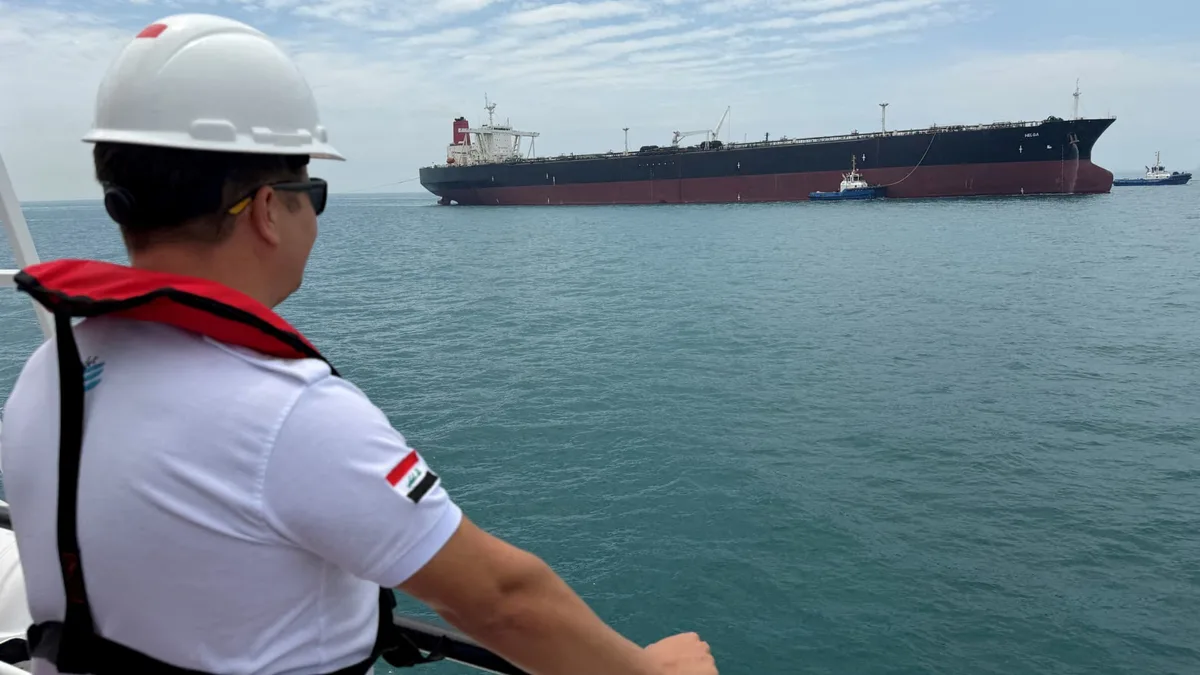
The United Nations' International Maritime Organization has taken a public stance against the imposition of transit fees in the Strait of Hormuz, a development that places the UN body in direct tension with the Trump administration's demand that countries benefiting from American military protection in the region contribute financially to that security umbrella.
The dispute arrives at a particularly fraught moment. Iran has intensified its targeting of commercial vessels transiting the strait over the past week, raising the threat level for global shipping through one of the world's most strategically critical chokepoints. The Strait of Hormuz serves as the primary maritime corridor for a significant share of the world's seaborne oil exports, making any disruption there a matter of global economic consequence.
Read more Trump's Crypto Holdings Complicate Congressional Ethics Debate →
Trump's push for what critics have framed as "protection money" reflects a broader transactional approach to American foreign policy — one in which traditional security guarantees are recast as services for which allies and trading partners should pay. The IMO's opposition signals that international institutions view such fees as fundamentally incompatible with the principle of freedom of navigation, a cornerstone of maritime law that governs open access to international waterways.
The underlying tension here is not merely procedural. If transit fees were permitted or normalized, it would set a precedent that could fragment the rules-based international maritime order, potentially inviting other regional powers to impose similar levies on vessels passing through straits and canals they border or influence. The IMO's resistance, while largely symbolic in the short term, carries significant weight as a statement of international legal consensus at a moment when that consensus is under pressure from multiple directions.
For shipping companies, insurers, and energy markets, the dual pressures of Iranian military activity and diplomatic uncertainty around protection guarantees add compounding layers of risk to an already volatile corridor. Continue reading at CNBC.