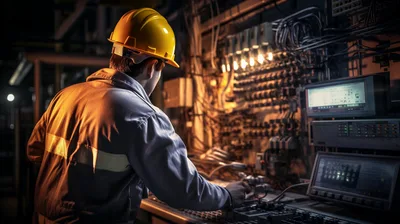
Vicor Corporation Emerges as a High-Stakes AI Power Play
Vicor's power conversion technology is drawing attention as AI infrastructure demand surges, raising both opportunity and risk for investors.
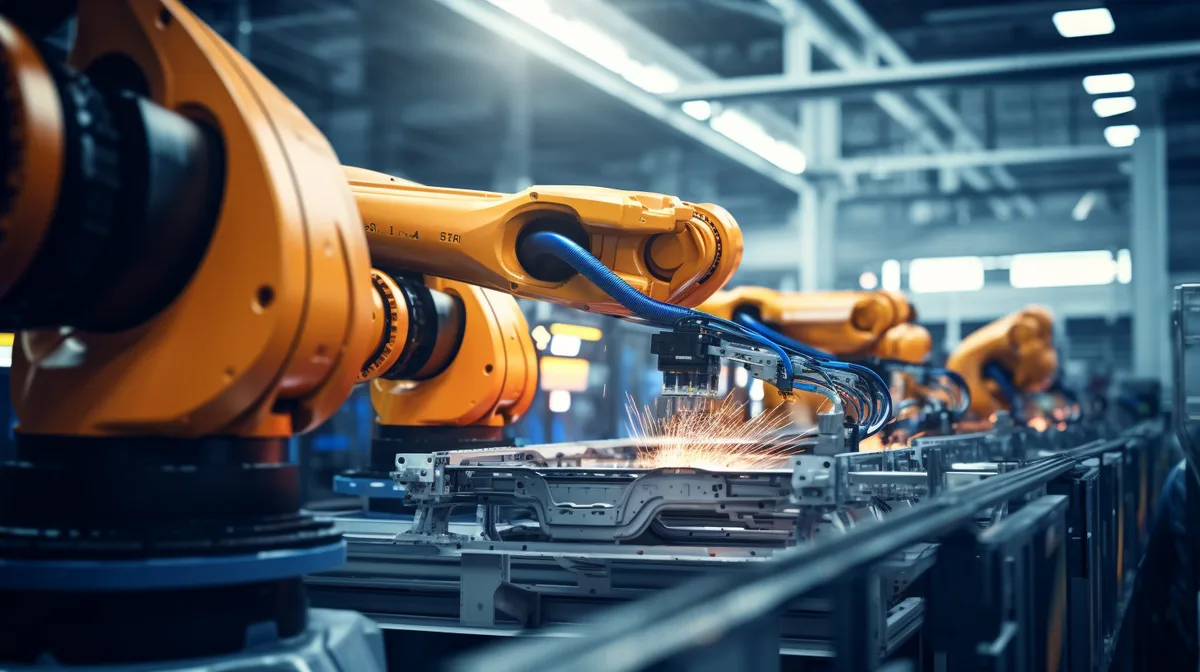
As the artificial intelligence buildout accelerates across data centers worldwide, the companies supplying the underlying electrical infrastructure are quietly becoming some of the most consequential bets in the technology sector. Vicor Corporation, a specialized power conversion components maker, has found itself increasingly at the center of that conversation — not because it builds chips or models, but because it supplies the precise, high-efficiency power delivery systems that next-generation AI accelerators increasingly require.
The core investment thesis around Vicor rests on a straightforward but consequential dynamic: as AI chips like Nvidia's latest accelerators draw ever-larger amounts of power at increasingly fine voltage tolerances, conventional power delivery architectures struggle to keep pace. Vicor's factorized power architecture is designed to address exactly that bottleneck, positioning the company as a potential critical supplier in a supply chain that most retail investors rarely consider.
Read more Paint Stocks vs. Rare Earth Plays: Which to Buy for 2026 →
Yet the elevated stakes cut both ways. Vicor remains a relatively small, specialized manufacturer competing in a space where larger, better-capitalized rivals are also investing heavily. Customer concentration risk and the long qualification cycles typical of semiconductor supply chains mean that even a promising technology roadmap can take years to translate into meaningful revenue growth — a timeline that demands patience from investors accustomed to faster-moving software plays.
What makes Vicor a genuinely interesting analytical case is the gap between its technological differentiation and its commercial execution. The company's engineering reputation is well-regarded in power electronics circles, but converting that credibility into large-scale, recurring contracts with hyperscale data center operators is a different and considerably harder challenge. Investors weighing a position must assess not just whether the technology wins, but whether Vicor specifically captures that win before the window narrows.
For those building exposure to AI infrastructure beyond the obvious semiconductor names, Vicor represents a classic high-optionality, high-uncertainty proposition — the kind that can generate outsized returns or prolonged disappointment depending on execution. Continue reading at Yahoo Finance.