Walmart and CVS Help Seniors Navigate New Medicare Obesity Drug Coverage
Medicare now covers obesity drugs for the first time, and retailers like Walmart and CVS Health are emerging as key guides for seniors navigating the new benefit.
For the first time in its history, Medicare is covering obesity medications — a shift that marks a significant expansion of the federal health program's approach to treating a condition that affects millions of American seniors. The policy change opens a new chapter in how the U.S. healthcare system addresses obesity, which has long been viewed more as a lifestyle issue than a medical one deserving insurance coverage.
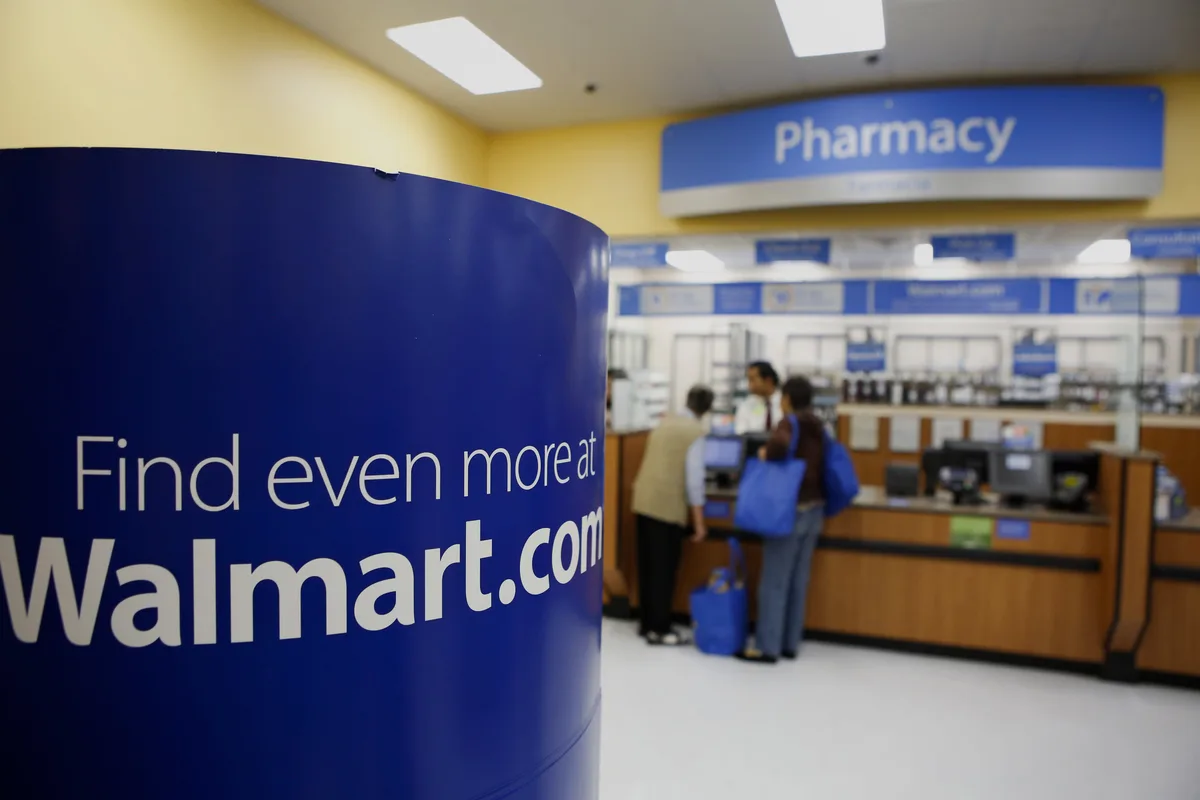
Retail health giants Walmart and CVS Health are positioning themselves at the center of this transition, stepping in to help Medicare beneficiaries understand and access their new coverage options. Their involvement reflects a broader trend of large consumer-facing companies filling gaps in health navigation that traditional insurers and providers have historically left unaddressed.
Read more Europe's MiCA Crypto Rules Ignite Debate Over Market Winners →
The role these retailers are playing is worth examining closely. With their expansive footprints — pharmacies in thousands of communities, including underserved areas — Walmart and CVS are uniquely positioned to reach seniors who might otherwise struggle to connect with specialists or parse the fine print of Medicare drug plans. In a healthcare landscape where access and health literacy remain stubborn barriers, that kind of retail infrastructure carries real weight.
The development also signals growing commercial confidence in the obesity drug market. Medications like GLP-1 receptor agonists have reshaped expectations around obesity treatment, and Medicare's willingness to cover them could accelerate adoption among an older population that stands to benefit significantly. For pharmacy-driven businesses, that represents both a public health opportunity and a meaningful revenue consideration.
As seniors begin to engage with these new benefits, the guidance they receive — from pharmacists, health clinics, and benefit counselors embedded in familiar retail settings — may prove just as important as the coverage itself. Continue reading at US Top News and Analysis.