What a U.S.-Iran Deal Could Mean for Strait of Hormuz Traffic
A potential U.S.-Iran agreement could reopen Hormuz to tanker traffic, but analysts warn a full return to prewar volumes is far from guaranteed.
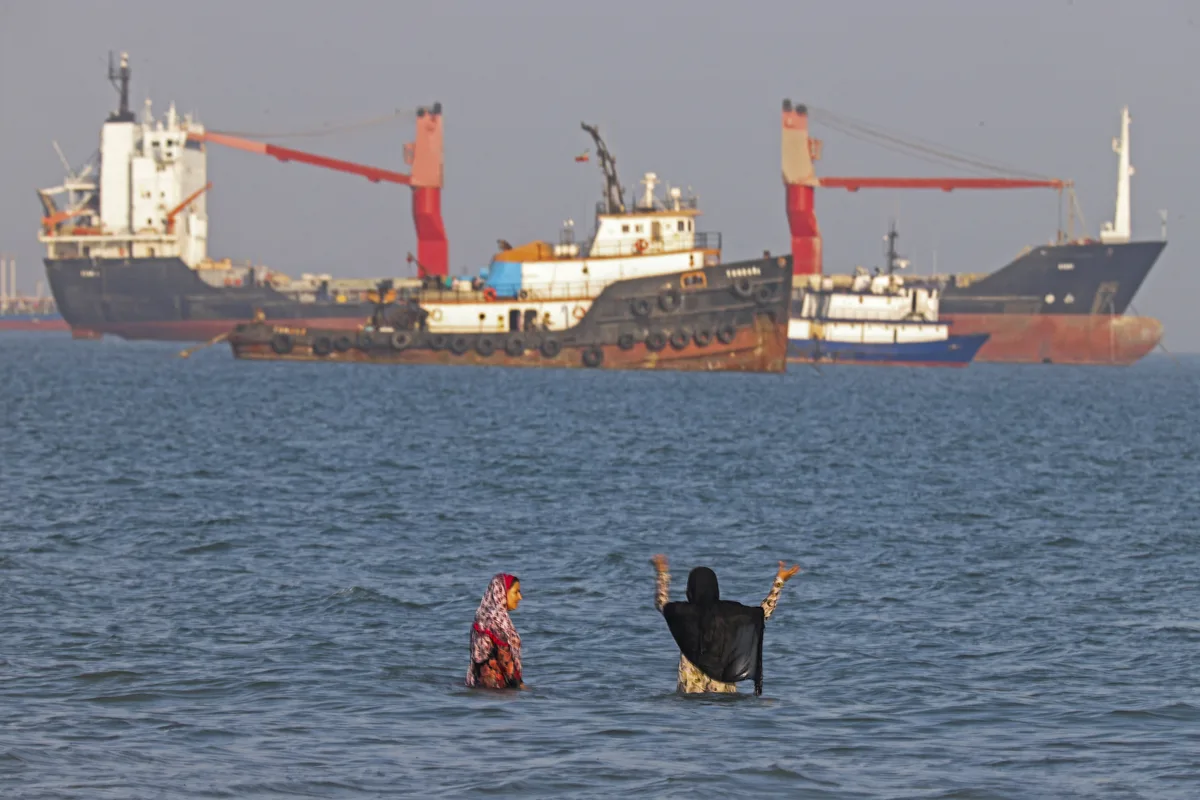
The Strait of Hormuz, the narrow chokepoint through which roughly a fifth of the world's oil supply passes, could see a relatively swift uptick in tanker activity if a U.S.-Iran nuclear or diplomatic deal moves toward implementation. That is the near-term scenario sketched out by commodity data firm Kpler, which tracks vessel movements across global shipping lanes. The prospect alone has drawn attention from energy traders watching for any signal that one of geopolitics' most consequential waterways might stabilize.
Yet speed of recovery is not the same as depth of recovery. Kpler's analysts caution that while tanker transits could pick up quickly once tensions ease, there is genuine uncertainty about whether traffic will climb back to levels seen before the most recent escalation. Several structural factors — including lingering sanctions enforcement questions, insurance premiums that remain elevated for vessels operating in the region, and the willingness of major buyers to re-engage Iranian crude — could all act as drags on a full normalization.
Read more Micron Bulls Grow More Confident Ahead of Earnings Report →
The Strait of Hormuz has long served as a barometer for broader Middle East risk. When Iran-linked threats have materialized in the past — mine attacks on tankers, seizures of vessels, drone activity — global oil markets have responded with immediate price spikes. A diplomatic thaw would likely have the opposite effect, applying downward pressure on crude benchmarks at a moment when OPEC+ is already navigating a complicated production calculus.
For energy markets, the key variable is timing and credibility. A deal announced but not yet verified or enforced tends to produce muted, wait-and-see reactions from traders. Only once physical flows begin to change — measured in barrels per day cleared through Hormuz — would analysts expect sustained market repricing. Kpler's data infrastructure is well positioned to detect those early flow signals before they surface in official statistics.
The broader geopolitical stakes extend well beyond oil prices. A functioning Hormuz corridor under a diplomatic framework would reshape shipping insurance markets, influence LNG routing decisions, and alter the risk calculus for Gulf state producers. Continue reading at US Top News and Analysis.