Who Really Owns the AI Boom? The Case for Data Dividends
Big Tech built its AI fortunes on public data — and critics argue everyday users deserve a cut of those gains.
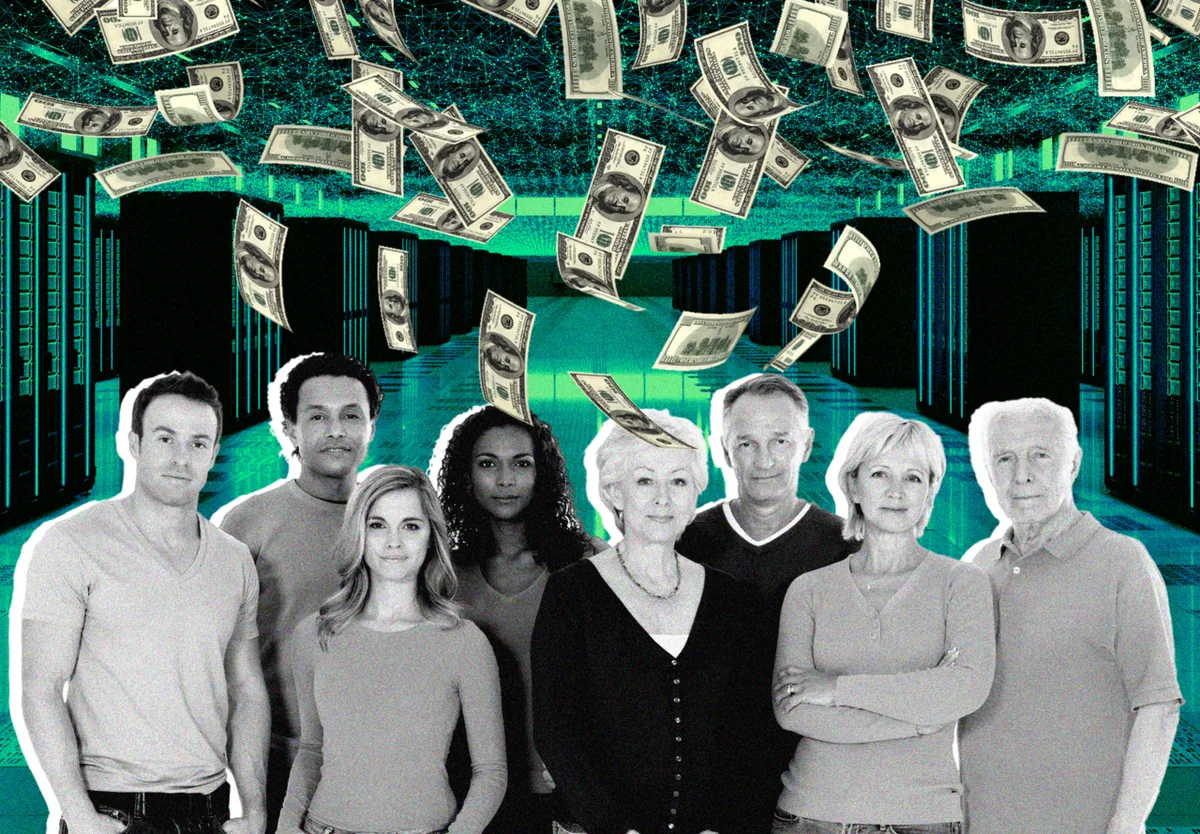
Artificial intelligence has generated staggering wealth for a handful of technology giants, but the raw material powering those systems — the text, images, and behavioral data produced by billions of ordinary people — was never compensated. That asymmetry is now drawing serious scrutiny from economists, policymakers, and ethicists who argue the current arrangement amounts to a one-sided extraction of public value.
The core argument is straightforward: large language models and other AI systems were trained on data that users generated, often without fully understanding how it would eventually be monetized. The companies that harvested and organized that data captured essentially all of the resulting equity, while the people who produced the underlying content received nothing beyond the free services they were already using. Critics characterize this not as a fair exchange but as a structural imbalance baked into the architecture of the modern internet.
Read more Khamenei Funeral Sends a Signal About Iran's Regional Ambitions →
The proposed remedy gaining traction in some policy circles is a form of data dividend — a mechanism by which technology companies would return a portion of AI-generated profits to the populations whose information made those profits possible. Framed this way, the dividend is not charity or redistribution in the conventional sense, but rather a correction of an ownership error. The argument holds that if data is labor, or at minimum a productive asset, then those who supplied it have a legitimate equity claim.
The practical obstacles, however, are considerable. Quantifying each individual's contribution to a model trained on trillions of data points is technically and legally complex. Questions about who administers such a system, how payments would be calculated, and whether governments or companies would bear responsibility remain largely unresolved. Without a regulatory framework compelling disclosure and profit-sharing, voluntary compliance from companies enjoying record margins seems unlikely.
What makes this moment distinct is that the political and economic conditions for such a debate are finally aligning. Antitrust pressure on Big Tech is intensifying, AI legislation is advancing in multiple jurisdictions, and public trust in technology platforms is eroding. The idea that ordinary people have a rightful claim to a share of the AI economy is no longer a fringe position — it is becoming a serious policy conversation. Continue reading at MarketWatch.com