Why Fed Rate Hikes Under Warsh May Not Kill the Bull Market
History suggests rate-hike cycles don't automatically end bull markets, and a Warsh-led Fed may be no exception.
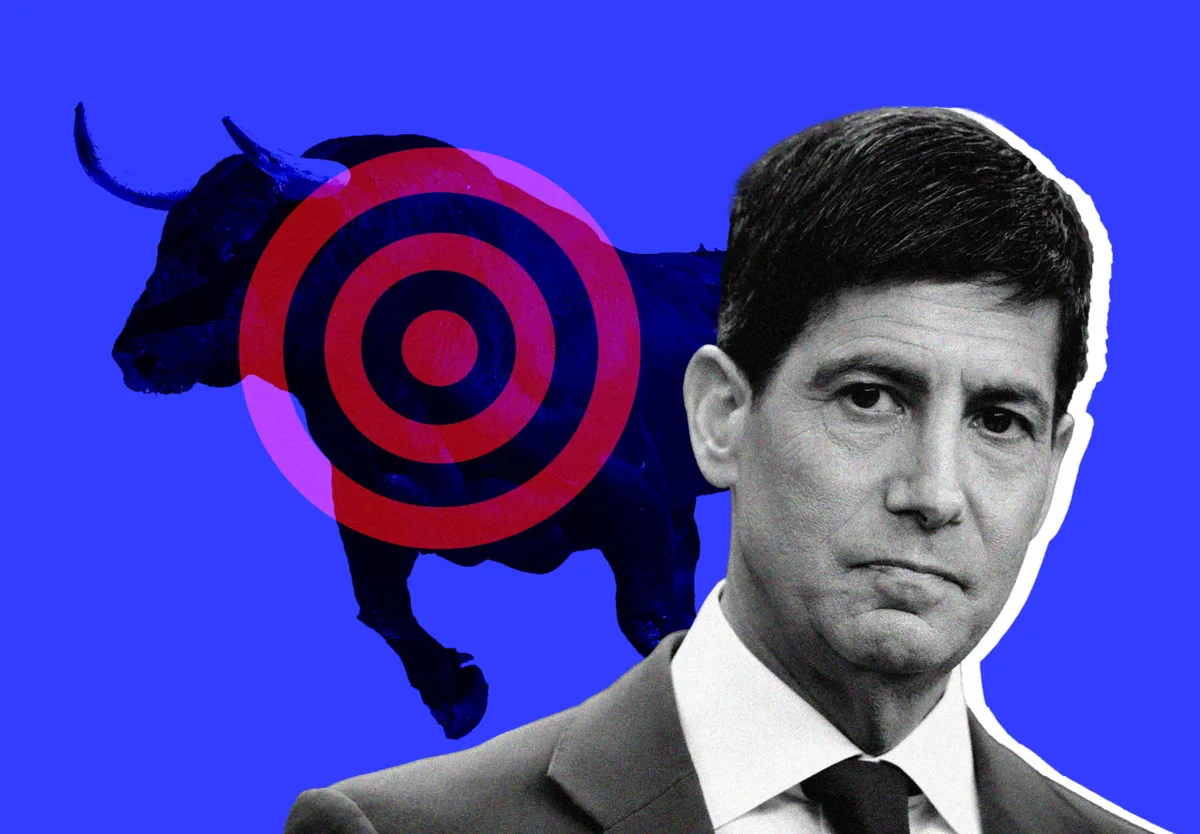
The conventional fear on Wall Street is straightforward: a hawkish Federal Reserve raises interest rates, borrowing costs climb, valuations compress, and the bull market quietly dies. But that narrative, however intuitive, has a troubled relationship with historical data — and the prospect of Kevin Warsh leading the Fed may be an opportunity to revisit it.
Warsh, a former Fed governor known for his inflation-fighting instincts, would likely enter the chairmanship with a credible hawkish signal. Markets, anticipating tighter policy, might initially flinch. Yet the analytical record suggests that equity markets have frequently *gained* ground during rate-hike cycles, particularly when those cycles begin from a position of economic strength and when the Fed communicates clearly. The threat of hikes, in other words, is not the same as the damage from them.
Read more Jim Cramer Warns Orthopedic Device Stocks Face Rough Road Ahead →
There is also a subtler dynamic at work. If Warsh were to signal resolve on inflation without immediately acting, that credibility itself could stabilize longer-term inflation expectations — a development that has historically been friendly to risk assets. The market may price in the hawkishness, absorb it, and move on. Equities have a long track record of climbing walls of worry, and a telegraphed rate cycle is arguably less destabilizing than a reactive, surprise-driven one.
The more serious risk to this bull market is likely not rate hikes per se, but the conditions that might force them: a resurgence of inflation that proves genuinely sticky, or a policy misstep that damages the Fed's credibility rather than reinforcing it. Past rate-hike cycles offer a guide here — the ones that ended bull markets tended to be those that ran ahead of or chased an overheating economy into contraction, not those that were orderly and well-anticipated.
For investors, the Warsh scenario is less a reason to panic and more a reason to study history carefully. Continue reading at MarketWatch.com