Why Nuclear Energy Stocks Are Gaining Ground in the AI Era
Surging AI data center demand is reshaping energy investment. Nuclear stocks are drawing fresh attention as reliable, low-carbon power sources.
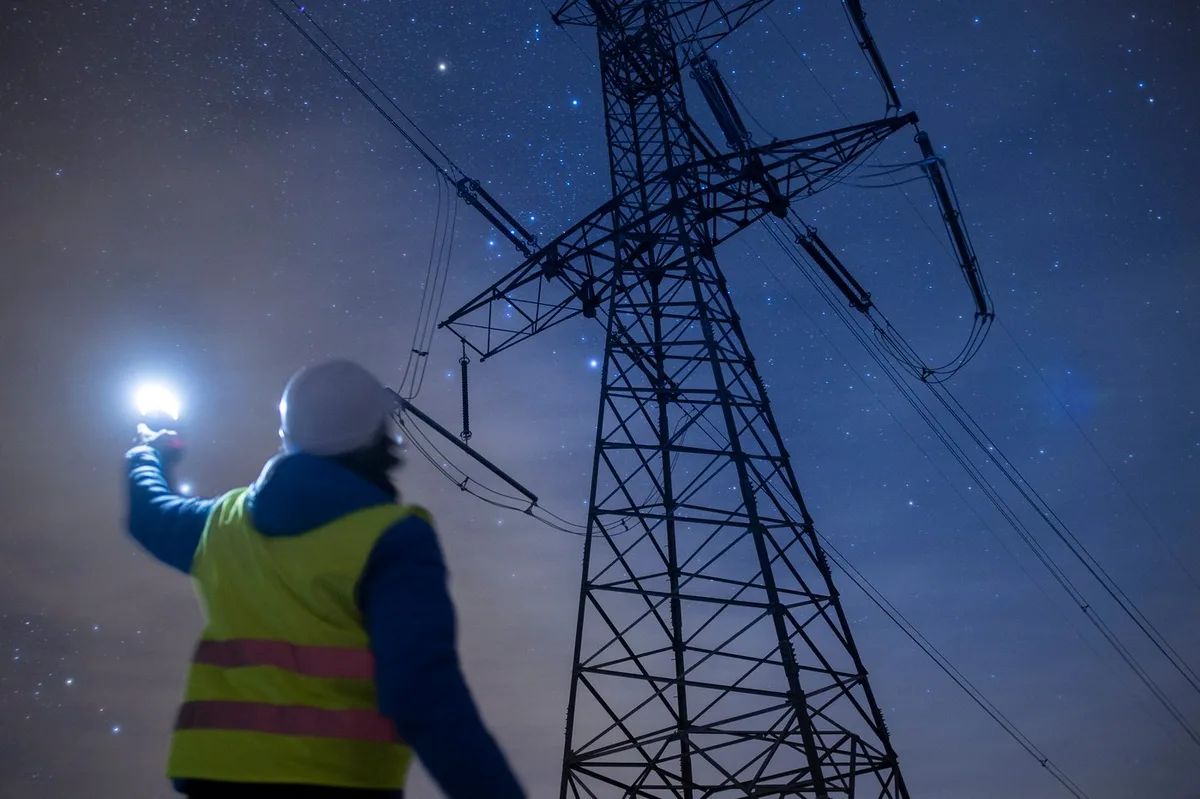
The artificial intelligence buildout is quietly becoming one of the most consequential forces in American energy markets. As hyperscalers race to expand data center capacity, they are confronting an uncomfortable reality: the power grid was not designed for this kind of demand. That tension is pushing investors and corporate planners alike to reconsider nuclear energy, a source that can deliver large volumes of consistent, carbon-free electricity without the intermittency problems that plague wind and solar.
Nuclear power's appeal in this context is straightforward. Data centers require uninterrupted, high-density power around the clock — exactly the profile that baseload generation, including nuclear, is engineered to provide. Unlike natural gas, nuclear does not expose operators to volatile fuel costs, and unlike renewables, it does not depend on weather conditions. For technology companies with ambitious emissions targets, that combination is increasingly difficult to ignore.
Read more Energy Infrastructure Fund Posts 19% Gain With 2.8% Yield →
The investment thesis around nuclear energy stocks has evolved considerably in recent years. Once viewed as a sector burdened by regulatory complexity and construction risk, nuclear is now being reexamined through the lens of energy security and decarbonization. The restart of previously shuttered plants, renewed federal policy support, and a wave of corporate power purchase agreements have all contributed to a more favorable operating environment for companies across the nuclear supply chain.
What separates the more compelling opportunities in this space from the broader field is exposure to both existing capacity and future growth. Companies positioned to benefit from operating reactors generating cash today, while also participating in next-generation technologies like small modular reactors, offer a dual runway that pure-play bets on unproven technology cannot match. That balance of near-term earnings and long-term optionality is a rare combination in any sector.
The broader implication is that the AI power boom may be doing what decades of climate policy alone could not — making nuclear energy economically attractive again on purely commercial terms. Whether that momentum proves durable will depend on execution, regulation, and how quickly new capacity can actually come online. Continue reading at Yahoo Finance.