Why Pakistan Is Positioning Itself as a Middle East Peacemaker
Pakistan's diplomatic push to end Middle East conflict is rooted in self-interest: preventing regional instability from crossing its own borders.
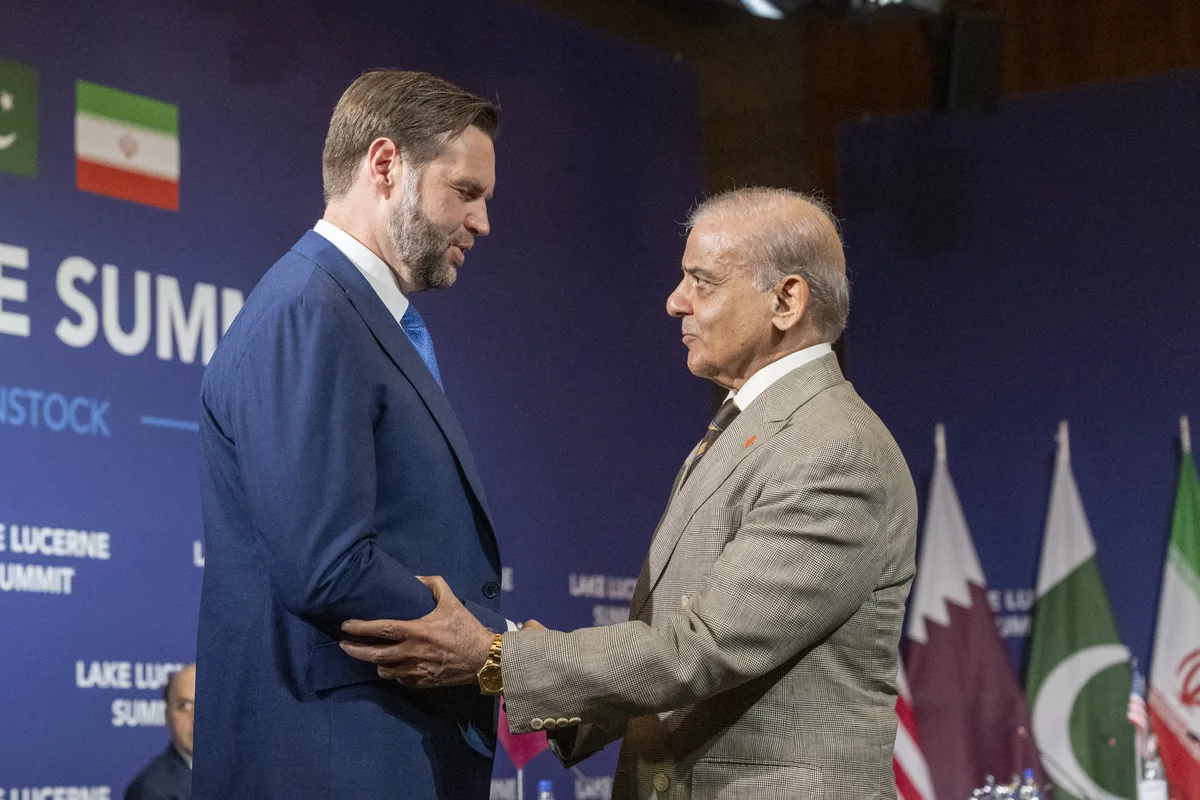
Pakistan's quiet but deliberate effort to play a mediating role in the Middle East conflict reflects a foreign policy calculus that is as pragmatic as it is urgent. As Iran's neighbor and a longstanding U.S. ally, Islamabad occupies a rare geopolitical position — one that gives it credibility on multiple sides of a deeply fractured regional divide.
The core driver of Pakistan's peacemaking ambitions is geography. A sustained escalation involving Iran carries direct consequences for Pakistan, which shares a long and porous border with Tehran. Any spillover of conflict — whether in the form of refugee flows, militant activity, or economic disruption — would land squarely on Pakistani soil, making de-escalation a matter of national security rather than merely diplomatic posturing.
Read more Trump Says Fault for Iran Girls' School Strike May Never Be Clear →
At the same time, Pakistan's alliance with the United States grants it leverage and visibility on the international stage. This dual positioning — neighborly ties with Iran alongside a security partnership with Washington — allows Islamabad to serve as a rare backchannel in a region where direct dialogue has largely collapsed. Peacemaker status, if successfully cultivated, also offers Pakistan a way to elevate its global standing at a moment when its domestic economic and political challenges have diminished its soft power.
Analysts would note that there is strategic risk embedded in this role as well. Being perceived as too close to either side could alienate the other, and failed mediation efforts could damage Pakistan's diplomatic credibility. Still, the incentive to act is strong: for Islamabad, a contained conflict is not just preferable — it is existential. The calculus is less about altruism and more about buffer-zone politics dressed in the language of diplomacy.
Continue reading at US Top News and Analysis