Why the S&P 500 Rejected SpaceX and What It Means for Your Portfolio
The S&P 500 has effectively ruled out SpaceX from inclusion, leaving index fund investors without exposure to what could be history's largest IPO.
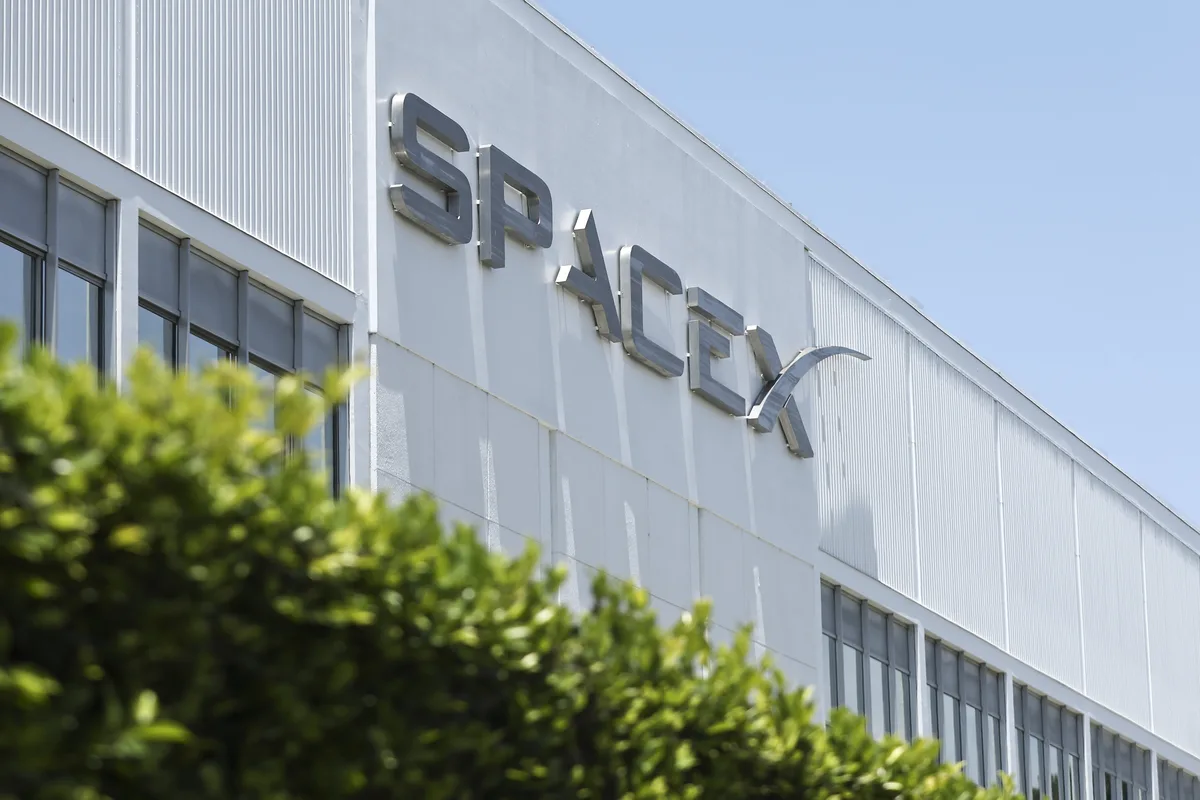
When the S&P 500 makes a structural decision, trillions of dollars in retirement accounts follow. The index's implicit rejection of SpaceX — potentially the largest initial public offering in history — is exactly the kind of quiet but consequential move that most everyday investors never notice until it's too late to think clearly about it.
The mechanics here matter. The S&P 500 is not a passive mirror of American corporate power; it is a curated list governed by a committee with specific eligibility requirements, including profitability thresholds and public float standards. SpaceX, Elon Musk's rocket and satellite company, has not met the criteria for inclusion, meaning that even if a SpaceX IPO proceeds at a historic valuation, the hundreds of millions of Americans holding index funds through 401(k)s and IRAs would not automatically gain exposure to it.
Read more Church & Dwight Stock Sits Quiet With No Fresh Catalysts →
This creates a meaningful asymmetry. Institutional investors, venture capital firms, and accredited private-market participants have had access to SpaceX's extraordinary growth for years. The retail investor, faithfully contributing to a target-date fund benchmarked to the S&P 500, has been structurally excluded from that upside. It is a pointed reminder that index investing — for all its well-documented virtues — is not the same as owning a comprehensive slice of the American economy.
The broader implication is worth sitting with. As more transformative companies choose to stay private longer, or fail to meet index eligibility rules even after going public, the gap between what index investors own and what is actually driving innovation and wealth creation may continue to widen. SpaceX is perhaps the most dramatic example yet of a company whose economic footprint vastly outpaces its presence in mainstream portfolios.
For now, index fund holders should understand that their exposure to the next chapter of the space economy remains, by design, near zero — and that no automatic rebalancing will change that picture without a fundamental shift in how SpaceX structures itself as a public company. Continue reading at US Top News and Analysis.