Wildfire Smoke and Heat Combine to Stress Maine Today
Wildfire smoke and elevated temperatures are creating difficult air quality conditions across Maine, posing health risks for residents.
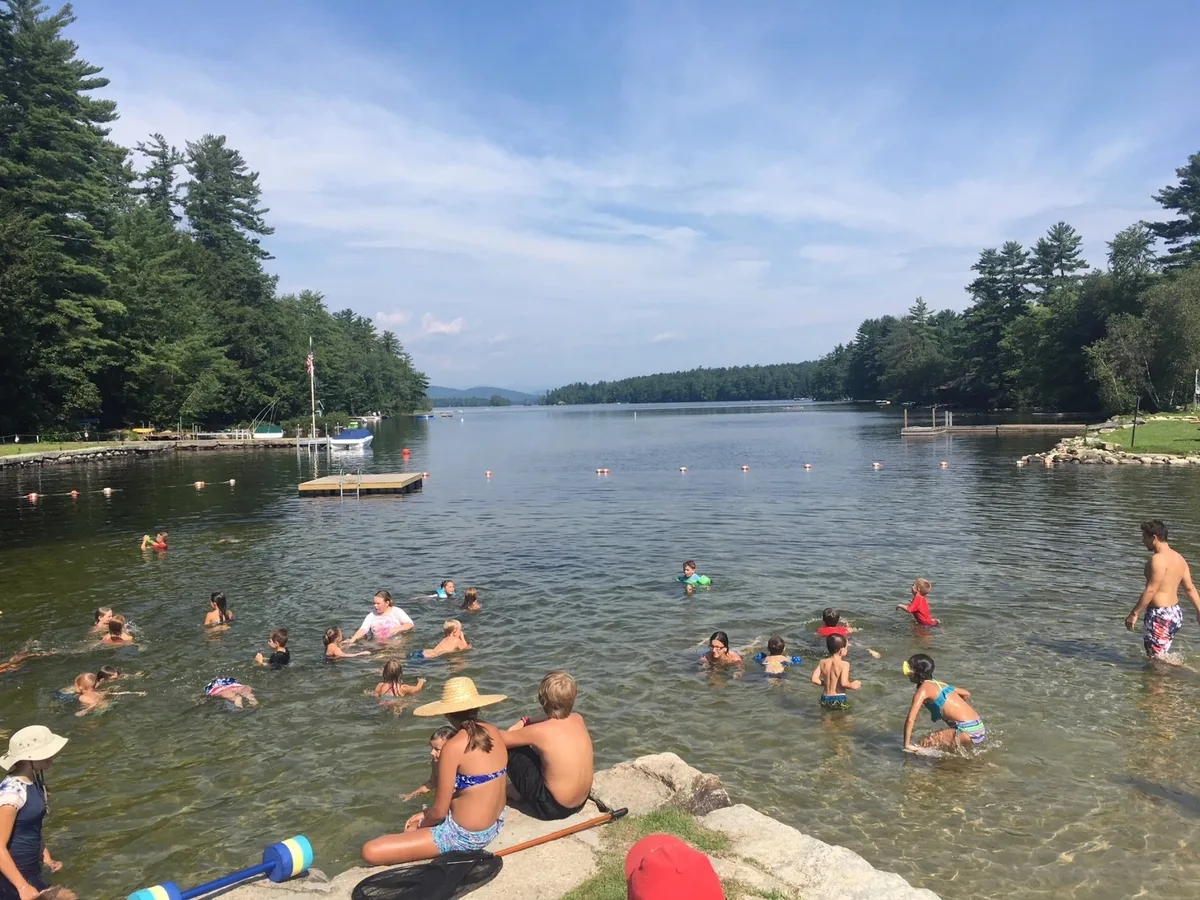
Maine is facing a dual atmospheric challenge as wildfire smoke drifts into the region at the same time temperatures climb above seasonal norms, creating conditions that public health officials typically flag as high-risk for vulnerable populations. The convergence of smoke and heat is not merely uncomfortable — it compounds respiratory and cardiovascular stress in ways that either factor alone would not.
Wildfire smoke carries fine particulate matter, known as PM2.5, which penetrates deep into the lungs and can trigger or worsen asthma, bronchitis, and other respiratory conditions. When those particles arrive during a heat event, people face a difficult trade-off: staying indoors with windows closed reduces smoke exposure but can accelerate heat-related illness if cooling systems are inadequate.
Read more New Hampshire Gov. Ayotte Vetoes Nine Bills, Blocks Book Ban and Toll Hike →
Maine, like much of the northeastern United States, has grown increasingly familiar with smoke intrusions originating from wildfires burning hundreds or even thousands of miles away — a pattern that climate scientists have linked to longer, more intense fire seasons in Canada and the western U.S. What was once a regional problem for western states has become a recurring summer concern for New England communities that lack the infrastructure and public awareness historically built around wildfire preparedness.
Residents are generally advised to monitor air quality index readings, limit outdoor exertion during peak afternoon hours, and ensure that indoor spaces — particularly for the elderly and children — remain as cool and smoke-free as possible. The combination of factors underscores a broader policy conversation about how northeastern states invest in heat-resilience infrastructure and public air quality alert systems.
Continue reading at bangordailynews for the latest local conditions and guidance from Maine health authorities.