World Cup Ads: Non-Sponsors May Be Winning the Brand Battle
Authentic branding is outperforming official sponsorships at the World Cup, signaling a shift in how consumers connect with advertising.
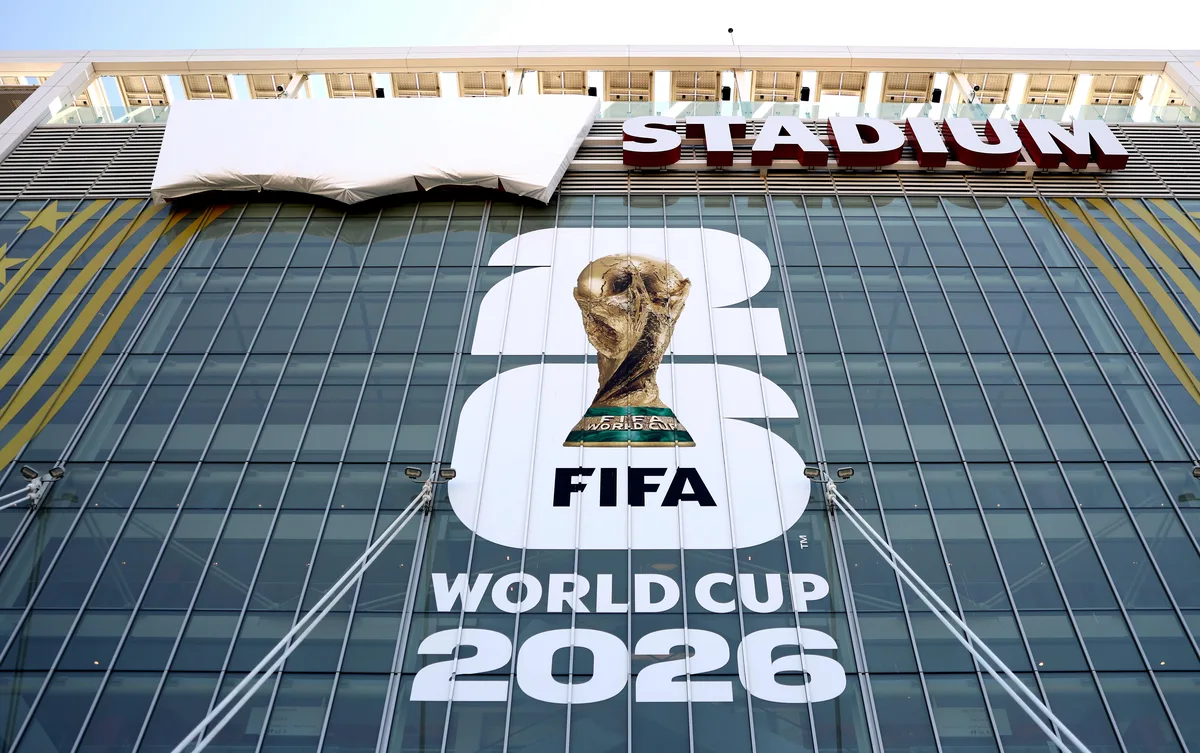
The World Cup has long been considered the crown jewel of global sports sponsorships, with brands paying enormous sums for official placement and association rights. Yet the advertising landscape surrounding this tournament is revealing a counterintuitive dynamic: companies without official sponsor status may be capturing audience attention more effectively than those with formal partnerships.
This pattern points to something advertising analysts have tracked for years but rarely seen so clearly illustrated on a global stage — authenticity is increasingly the currency that matters most to consumers. Official sponsors often face the creative constraints that come with formal agreements, producing polished but predictable campaigns that can feel transactional rather than genuine. Meanwhile, brands operating at the margins of the event have more latitude to take creative risks and speak in a register that resonates with actual fans.
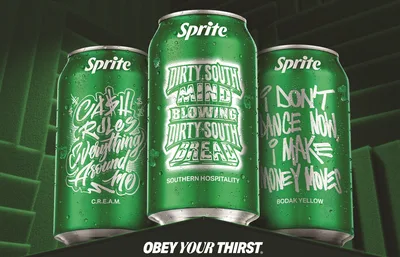
Read more Sprite Leans Into Hip-Hop Heritage With New Marketing Push →
The implications for marketing strategy are significant. If brands without expensive sponsorship deals can achieve comparable or superior recall and sentiment, it raises fundamental questions about the return on investment that major sports properties command. Tournament organizers and rights holders may find themselves under pressure to demonstrate that the premium attached to official status still delivers measurable value in an era when consumer skepticism toward corporate messaging runs high.
More broadly, the World Cup advertising dynamic reflects a structural shift in how people relate to brands in general. Audiences have grown adept at detecting performative association — a brand slapping a logo on a global event without a coherent story to tell. What cuts through instead is marketing that demonstrates genuine understanding of a community, a moment, or a cultural conversation, regardless of whether it carries an official badge.
The winners and losers of this tournament's advertising cycle may ultimately tell us less about soccer and more about the evolving contract between brands and the people they hope to reach. Continue reading at US Top News and Analysis.