Allianz: Arctic Shipping Has Big Upside, But Faces Serious Hurdles
Allianz sees major growth potential in Arctic sea routes but flags sanctions, geopolitics, and operational risks as significant barriers.
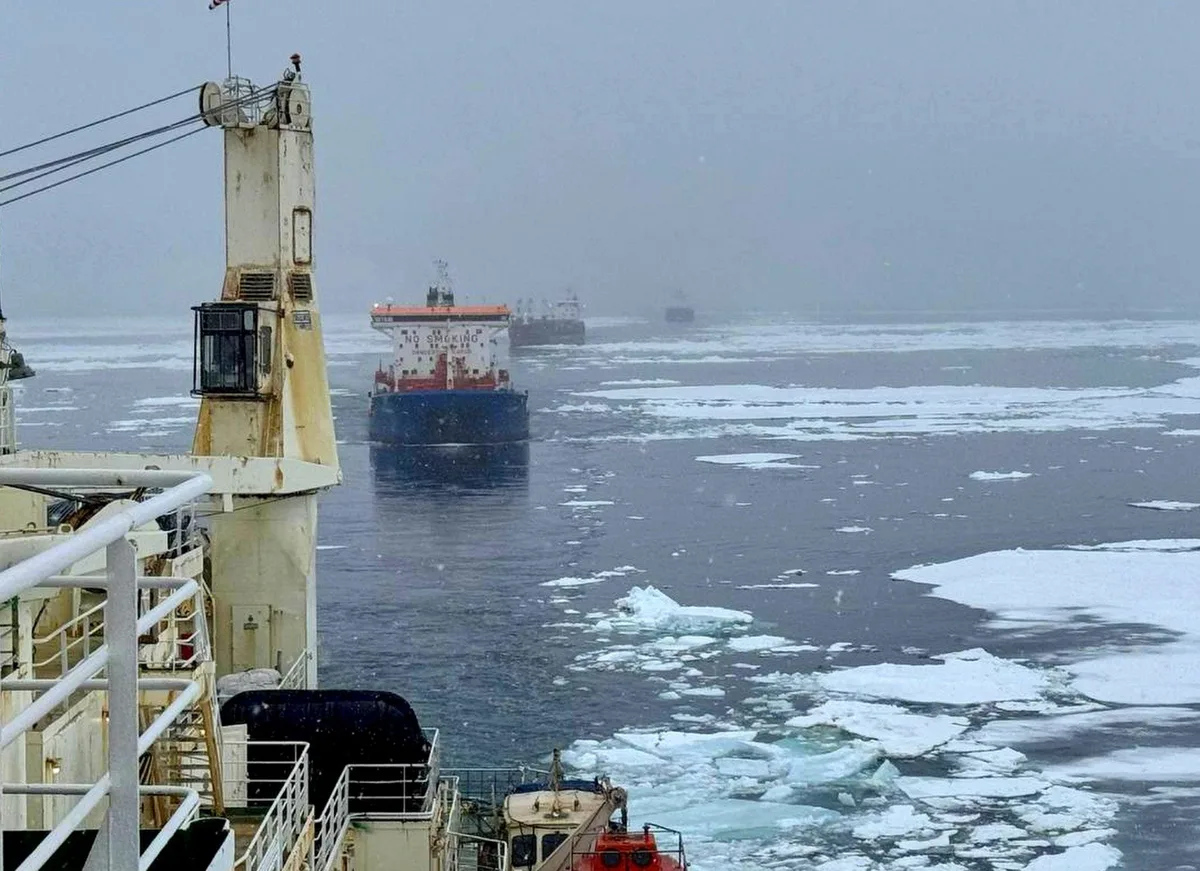
The Arctic is increasingly viewed as a potential shortcut reshaping global trade, and insurance giant Allianz has weighed in with a nuanced assessment: the opportunity is real, but so are the obstacles. According to a report highlighted by gCaptain, Allianz acknowledges that melting sea ice is opening northern corridors that could dramatically cut transit times between Asia and Europe — a development that has drawn serious commercial interest from shipping operators worldwide.
Yet the insurer's analysis stops well short of unbridled optimism. Allianz points to a complex web of geopolitical tensions, most notably those stemming from Russia's dominant role along the Northern Sea Route, as a structural impediment to growth. Western sanctions on Moscow have complicated the calculus for international carriers considering Arctic transits, since much of the viable infrastructure — icebreaker fleets, ports, and navigation services — falls under Russian jurisdiction or ownership.
Read more Drop Shipment in SAP S/4 HANA Project Systems Explained →
Beyond the political dimension, the operational realities of Arctic navigation remain formidable. Extreme cold, unpredictable ice conditions, limited search-and-rescue capacity, and sparse emergency infrastructure all elevate risk profiles in ways that standard marine insurance frameworks were not designed to handle. For Allianz, a company whose core business is pricing and absorbing risk, these factors represent not just abstract concerns but genuine underwriting challenges that could slow institutional appetite for Arctic exposure.
The broader analytical takeaway is that Arctic shipping sits at the intersection of climate change, great-power rivalry, and commercial ambition — a combination that rarely produces straightforward outcomes. While warming temperatures are doing their part to make the routes physically more accessible, the human and political environment surrounding them is growing more, not less, complicated. Investors and operators who view the Arctic purely through a logistics efficiency lens may be underestimating how profoundly sanctions regimes and bilateral tensions can freeze commercial progress even as the ice retreats.
Continue reading at gcaptain.