American Airlines CEO Charts Path to Close $3B Profit Gap
American Airlines is betting on reliability gains, premium cabin upgrades, and a major wide-body jet order to narrow a $3 billion earnings shortfall.
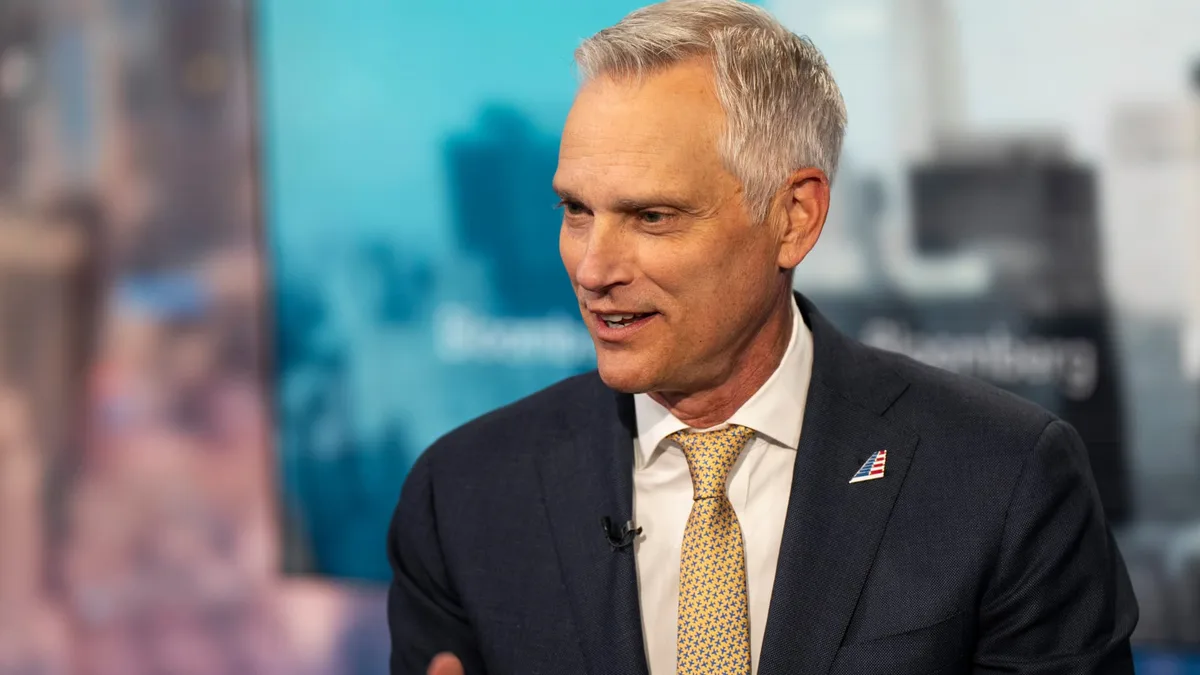
American Airlines CEO Robert Isom has articulated a clear strategic roadmap aimed at closing a profit gap that exceeds $3 billion — a shortfall that underscores just how far the carrier has fallen behind its major network rivals Delta and United in recent years. The plan centers on three interconnected pillars: operational reliability, premium product investment, and a significant fleet expansion decision that could reshape the airline's long-haul network for decades.
Reliability has emerged as a foundational priority, and for good reason. Airlines that consistently operate on time tend to retain higher-value corporate and premium leisure travelers — precisely the customers who drive disproportionate revenue per seat. American has struggled in this area relative to peers, and closing that performance gap is seen internally as a prerequisite for any meaningful revenue recovery.
Read more FAA Restores Boeing's Authority to Self-Certify 737 Max and 787 →
On the product side, the carrier is directing capital toward more premium seating configurations and upgraded lounge facilities. This mirrors the playbook Delta and United have executed successfully over the past several years, with both competitors pulling significantly ahead of American in premium revenue capture. The lounge investment is particularly telling — airport clubs have become a key loyalty battleground as airlines compete for high-spending travelers willing to pay premium credit card fees and ticket prices.
Perhaps the most consequential near-term decision involves fleet renewal. American is weighing both Boeing and Airbus as candidates for a new wide-body aircraft order — a choice that carries enormous financial and operational implications. Wide-body jets serve long-haul international routes that tend to generate the airline industry's highest margin opportunities, meaning the right aircraft selection could accelerate American's path back to competitive profitability. The decision also arrives at a moment when Boeing faces its own production and delivery challenges, potentially giving Airbus added leverage in negotiations.
The ambition is evident, but execution risk remains substantial. Transforming an airline's cost structure, product quality, and operational performance simultaneously demands sustained capital discipline and management focus. Continue reading at CNBC.