Anduril CEO Brian Schimpf on AI in Warfare and Defense Manufacturing
Anduril CEO Brian Schimpf discusses how artificial intelligence is reshaping modern warfare and the company's manufacturing ambitions.
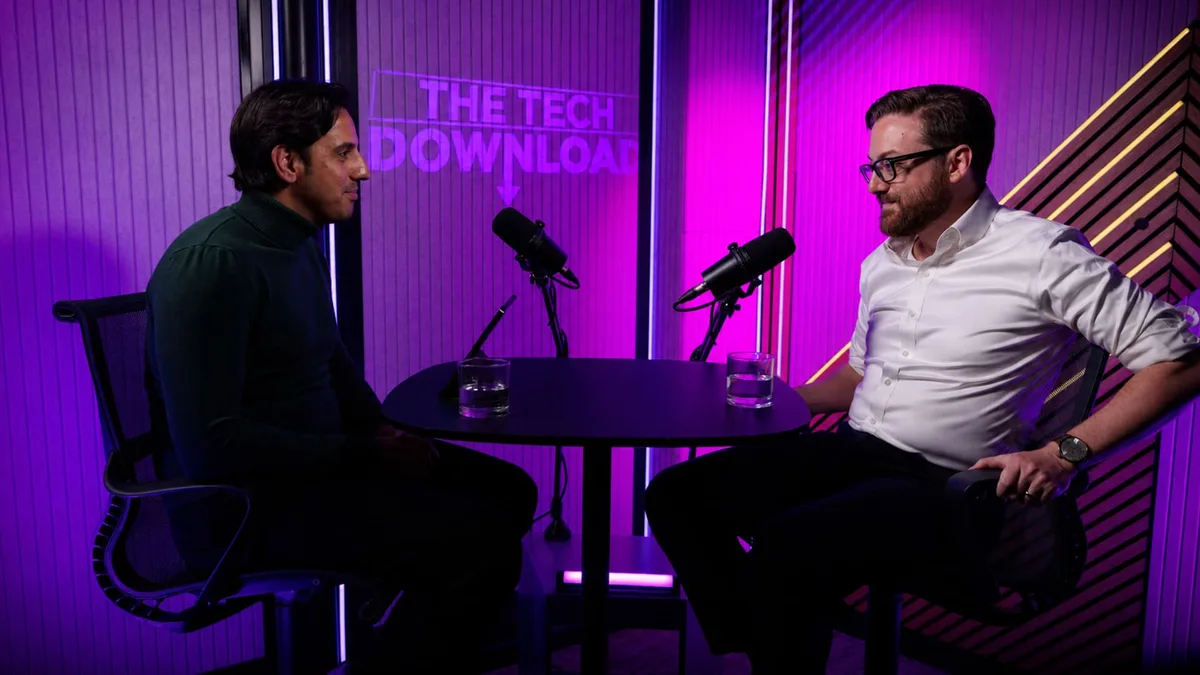
Anduril Industries, the defense technology startup founded by Palmer Luckey, has emerged as one of the most closely watched companies at the intersection of Silicon Valley and national security. In a wide-ranging conversation on CNBC's The Tech Download podcast, CEO Brian Schimpf offered a rare look into how the company views artificial intelligence as a transformative force in modern warfare — not merely as a productivity tool, but as a fundamental rethinking of how militaries operate and make decisions on the battlefield.
Schimpf's conversation with CNBC's Arjun Kharpal comes at a moment when the defense sector is grappling with how to integrate autonomous systems and machine learning into existing military doctrine. Anduril has positioned itself as an alternative to legacy defense contractors, arguing that traditional procurement models are too slow and too siloed to keep pace with the speed at which adversaries — particularly China — are developing and deploying advanced technologies.
Read more Apple's Memory Shortage Tests Tim Cook's Supply-Chain Mastery →
The manufacturing dimension of Schimpf's remarks deserves particular attention. Anduril has been vocal about its ambitions to build what it calls an "Arsenal" — a large-scale, software-driven manufacturing facility designed to produce autonomous systems at a pace and cost structure that conventional defense contractors struggle to match. The argument is that winning future conflicts may depend less on individual platform superiority and more on the ability to produce and field large numbers of AI-enabled systems rapidly.
The broader strategic question Anduril is forcing onto the table is whether the Pentagon's procurement culture can adapt fast enough. Schimpf's public posture suggests the company believes the urgency is real and that private-sector agility, rather than established defense giants, will define the next era of American military capability. Whether policymakers and military leaders fully embrace that vision remains an open and consequential question.
Continue reading at CNBC