Apple's Memory Shortage Tests Tim Cook's Supply-Chain Mastery
The AI-driven demand surge for memory components is straining Apple's supply chain, challenging Cook's legendary procurement expertise.
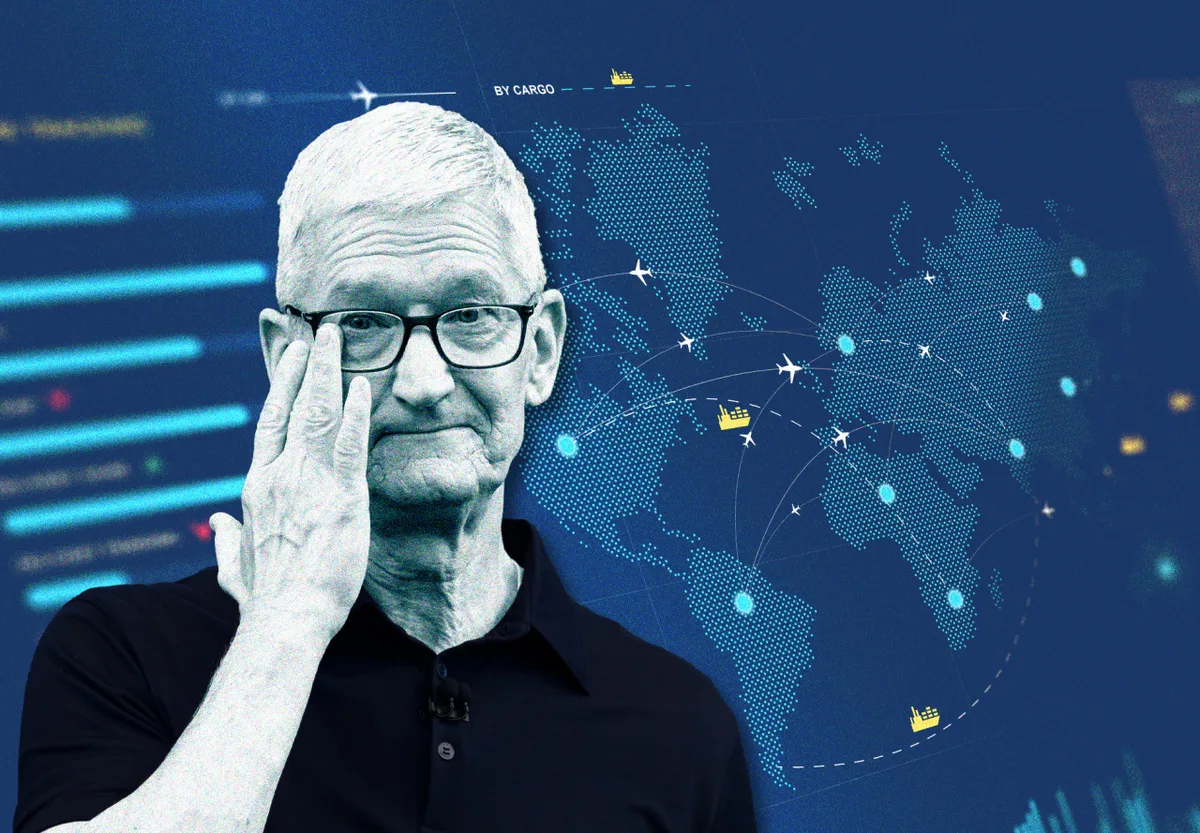
Tim Cook built his reputation — and arguably Apple's modern dominance — on an almost uncanny ability to manage global supply chains. For decades, competitors watched in frustration as Apple consistently secured critical components at scale, on time, and at favorable prices. Now, a new and powerful force is testing that legacy: the artificial intelligence boom and the memory crunch it has unleashed across the entire technology industry.
The surge in AI development has dramatically intensified competition for advanced memory chips, the kind required to run sophisticated machine-learning workloads. Apple is not alone in feeling the pressure, but given its position as one of the world's largest consumer electronics manufacturers, shortfalls carry outsized consequences — affecting everything from iPhone production timelines to the rollout of AI-enhanced features the company has been publicly championing.
Read more Anduril CEO Brian Schimpf on AI in Warfare and Defense Manufacturing →
What makes this moment analytically significant is that the shortage is not the result of a discrete disruption — a pandemic, a factory fire, a geopolitical flare-up — but rather a structural shift in demand. The AI investment wave has permanently elevated the baseline appetite for high-bandwidth memory, meaning Apple cannot simply wait out the problem. It must compete with cloud giants, chipmakers, and AI startups all drawing from the same constrained pool of supply.
Cook's traditional playbook — locking in long-term supplier agreements, making early capital commitments, and leveraging Apple's balance sheet as a negotiating weapon — may need meaningful adaptation for this new landscape. The company is reportedly exploring multiple avenues to close the gap, though the complexity of memory production cycles means relief is unlikely to arrive overnight. This is a slow-moving constraint in a fast-moving competitive environment, which is precisely what makes it so difficult to manage.
For investors and industry observers, the key question is whether Apple can secure sufficient memory supply without sacrificing the margin discipline that defines its financial profile. The answer will likely shape both the pace of Apple's AI feature rollout and the broader narrative around Cook's tenure. Continue reading at MarketWatch.com