Anthropic Sought AI Rules, but Trump's Response Went Further
Anthropic publicly backed AI regulation, but the Trump administration's response has proven far more aggressive than the company anticipated.
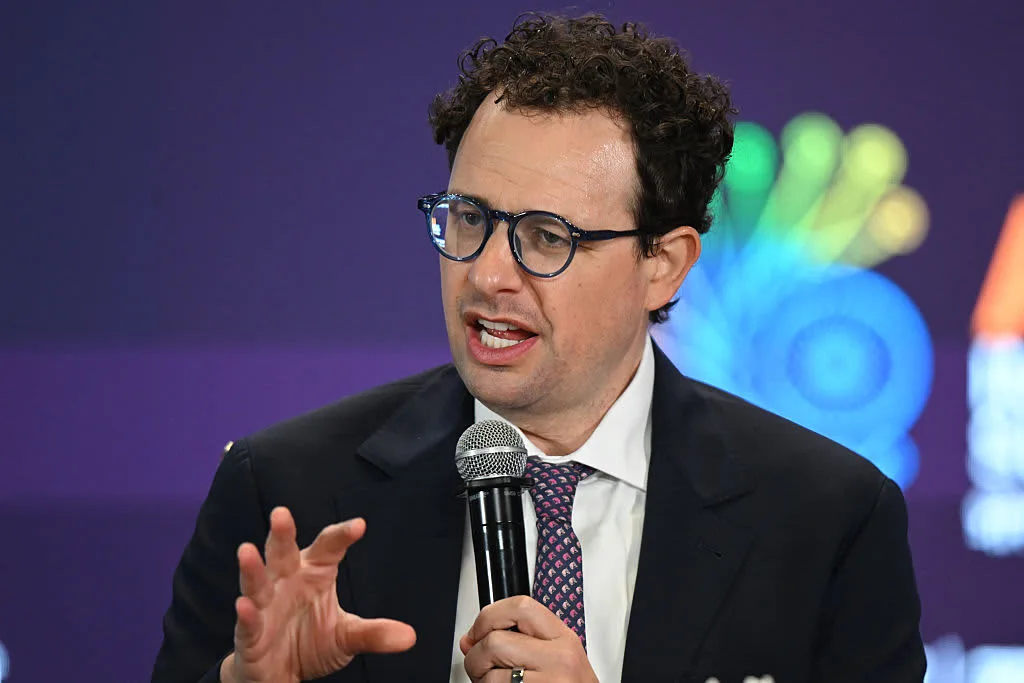
Few technology companies have been as vocal as Anthropic in calling for guardrails on artificial intelligence. The San Francisco-based AI lab, which built the Claude family of models, positioned itself early as a safety-conscious actor willing to work with regulators — a stance that set it apart from some competitors who viewed government oversight as a threat to innovation.
That cooperative posture, however, does not appear to have earned Anthropic any shelter from Washington's harder edge. The Trump administration has come down on the company with a force that goes well beyond what Anthropic sought when it advocated for measured, industry-friendly rules. The gap between what the company asked for and what it is now facing illustrates a broader tension in how AI policy is unfolding under the current administration.
Read more Gaming Groups Push Senate to Strip CFTC Sports Betting Authority →
The dynamic raises a pointed question about the strategy of regulatory engagement that Anthropic championed: when a company invites government into its industry, it cedes some control over how that engagement ultimately takes shape. What begins as a dialogue about responsible guardrails can quickly become something more expansive and less predictable when political winds shift.
For the broader AI sector, this episode serves as a cautionary signal. Companies that have kept Washington at arm's length may look at Anthropic's experience and conclude that proactive regulatory support carries real risk — particularly in an administration that has shown a willingness to act decisively and, by some accounts, unpredictably on technology policy. At the same time, the alternative of staying silent carries its own vulnerabilities in a regulatory environment that is clearly moving, with or without industry buy-in.
The tension between Anthropic's safety-first branding and its current difficulties with federal authorities underscores just how fluid and consequential AI governance has become in the United States. Continue reading at US Top News and Analysis.