Gundlach: Fed's Warsh Won't Be the Easy-Money Chief Markets Wanted
Jeffrey Gundlach warns that Kevin Warsh is unlikely to loosen monetary policy as hoped, reducing inflation risk but disappointing rate-cut optimists.
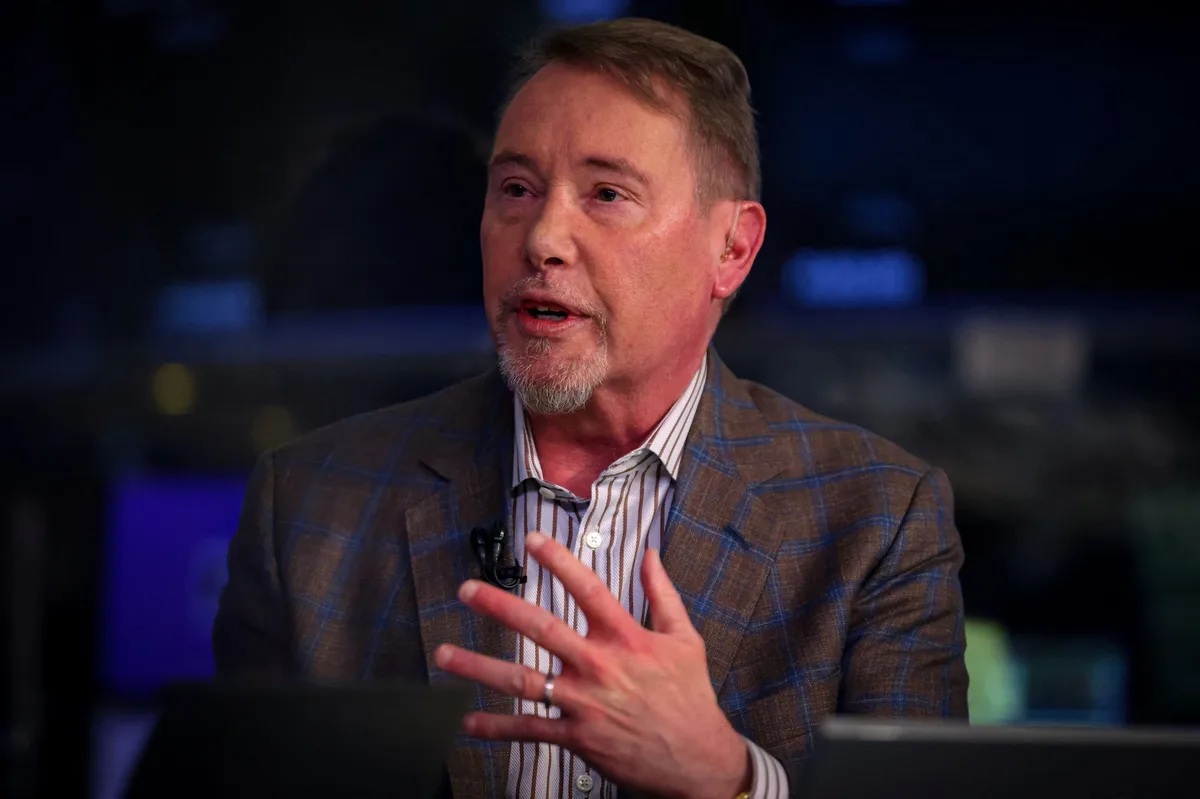
Jeffrey Gundlach, the bond market veteran who founded DoubleLine Capital, is pushing back against a popular assumption that has quietly taken hold in financial circles: that Kevin Warsh, widely viewed as a leading candidate to lead the Federal Reserve, would usher in a more accommodative era of monetary policy. Gundlach's assessment is a meaningful reality check for investors who had begun pricing in a more dovish Fed under new leadership.
According to Gundlach, Warsh's actual policy orientation is considerably more hawkish than the easy-money narrative suggests. Far from being a soft-touch chairman who would rapidly cut rates, Warsh appears committed to a disciplined approach — one that would not reflexively loosen conditions simply because markets or political figures demand relief. That posture, Gundlach argues, meaningfully reduces the danger of an overly accommodative Fed reigniting inflationary pressures that have proven stubbornly difficult to fully extinguish.
Read more Fed Holds Rates Steady in First Warsh-Era Decision →
The stakes here extend well beyond Wall Street positioning. If investors had been underwriting risk assets or duration trades on the assumption of a permissive Fed chairman, Gundlach's warning signals a potential repricing event. Crucially, he notes that a hawkish Warsh posture would also constrain upward pressure on longer-term borrowing costs — a dynamic that matters enormously for mortgage rates, corporate debt issuance, and government financing at a moment when the federal deficit remains elevated.
The broader analytical insight is that leadership transitions at the Fed rarely deliver the clean policy pivots markets anticipate. Institutional inertia, inflation credibility concerns, and the political independence the Fed guards jealously all act as moderating forces on any incoming chair. Gundlach's reading of Warsh suggests the bond market may need to recalibrate expectations rather than wait for a policy pivot that may not materialize in the form or timeline investors have imagined.
Continue reading at US Top News and Analysis.