Kevin Warsh Moves to Reshape Fed Operations at First Presser
New Fed Chairman Kevin Warsh used his debut press conference to signal meaningful changes to how the central bank conducts itself.
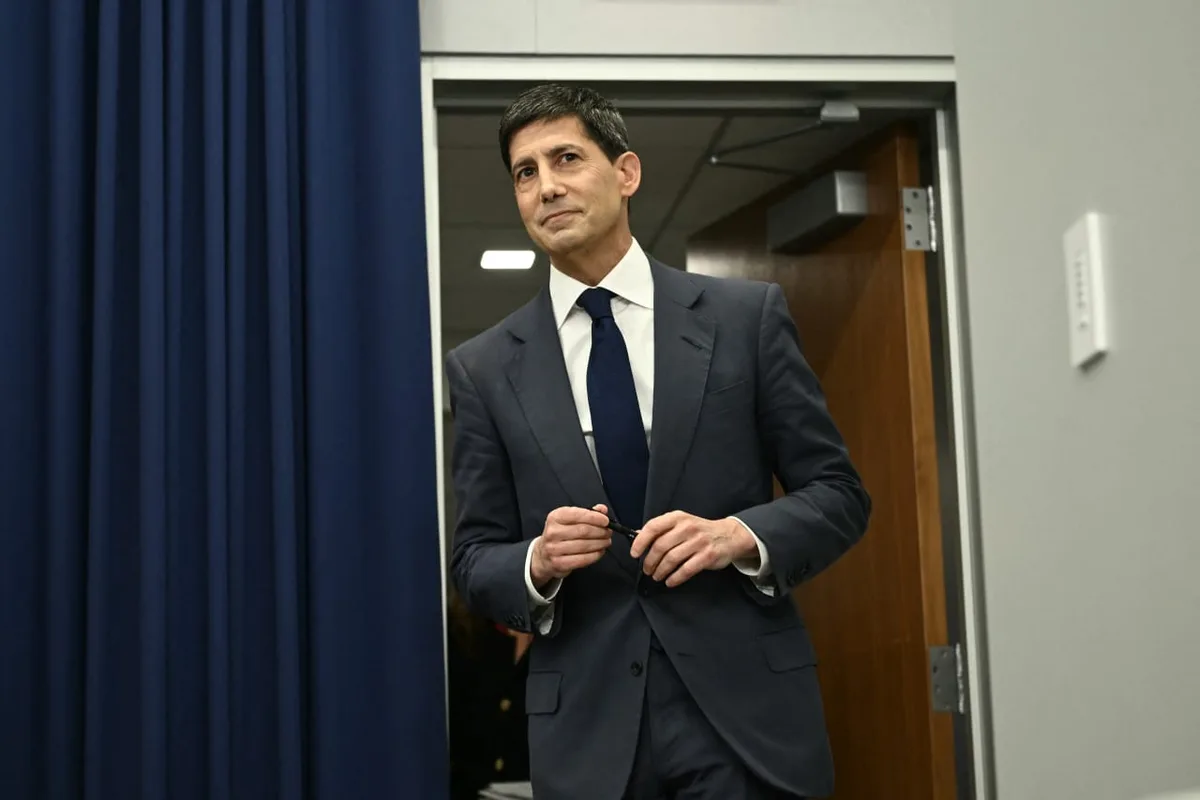
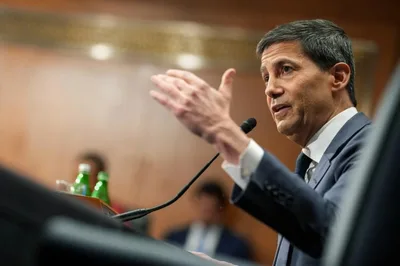
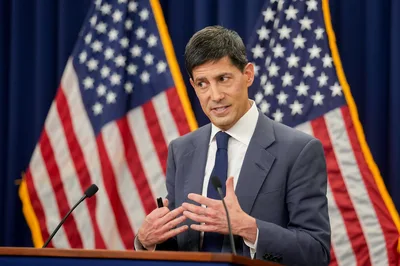
Kevin Warsh wasted no time making his mark as Federal Reserve chairman, using his inaugural press conference to signal a shift in how the nation's central bank intends to operate. The appearance drew immediate attention from financial markets and policy watchers alike, underscoring how closely investors scrutinize any hint of institutional change at the Fed.
Press conferences from Fed chairs carry outsized weight because they offer unscripted windows into the thinking of the world's most influential monetary policy body. When a new chair steps to the podium for the first time, every word and framing choice is parsed for clues about temperament, priorities, and potential policy pivots. Warsh's debut was no exception, generating immediate reaction across Wall Street and Washington.
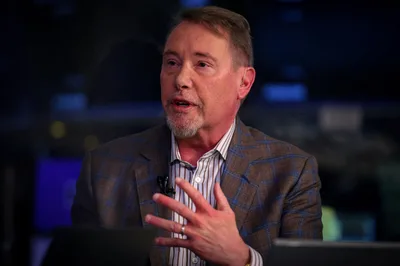
Read more Gundlach: Fed's Warsh Won't Be the Easy-Money Chief Markets Wanted →
Warsh, a former Fed governor and longtime critic of what he viewed as the central bank's drift toward opacity and expansive mandates, has long advocated for a more rules-based, transparent approach to monetary policy. His ascension to the chairmanship set up expectations that he would move to reform how the institution communicates and makes decisions, and his first press conference appears to have confirmed those expectations are well-founded.
The broader significance of Warsh's opening salvo lies in what institutional change at the Fed can mean for markets, inflation expectations, and the independence of monetary policy from political pressure. Any recalibration of the Fed's operating procedures — from how it signals rate decisions to how it engages with the public — can ripple through bond yields, equity valuations, and the dollar. Investors and economists will be watching closely to see whether Warsh's rhetoric translates into durable structural shifts or remains largely stylistic.
Continue reading at MarketWatch.com