Fed Holds Rates Steady in First Warsh-Era Decision
The Federal Reserve kept interest rates unchanged in Kevin Warsh's debut meeting as chairman, signaling continuity amid economic uncertainty.
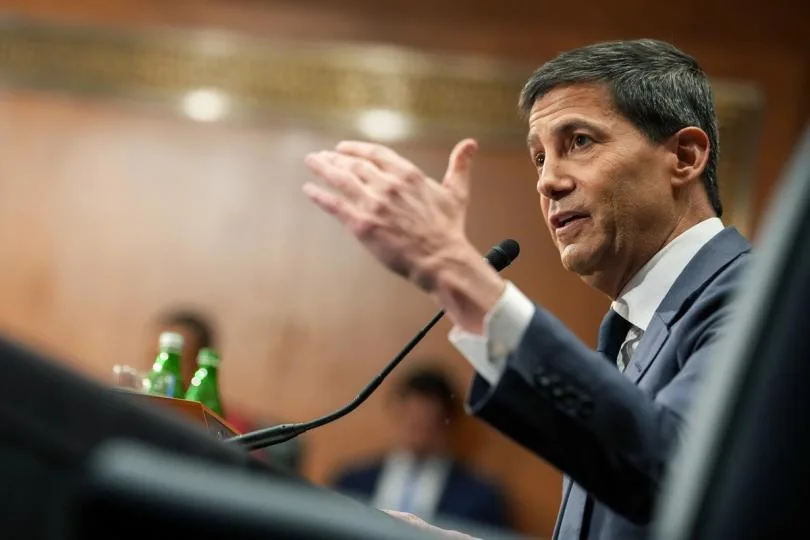
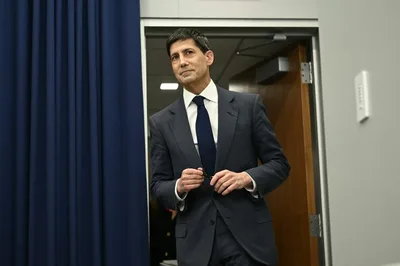
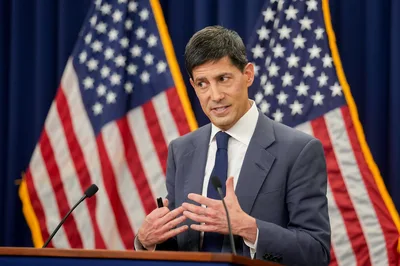
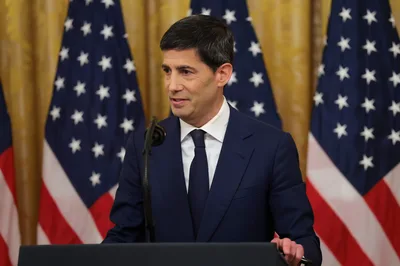
The Federal Reserve voted to hold interest rates steady in the first policy decision presided over by its new chairman, Kevin Warsh, a move that underscores the central bank's cautious posture at a moment when the economic outlook remains anything but clear. The decision marks a significant symbolic milestone — the formal handoff of monetary stewardship from Jerome Powell to Warsh, whose appointment had been closely watched by markets and policymakers alike.
Warsh, a former Fed governor and Wall Street veteran, steps into the chairmanship at a delicate juncture. Inflation has proven stickier than many forecasters anticipated, while growth signals have grown more mixed, leaving the Fed with little obvious room to pivot aggressively in either direction. By opting to hold rather than cut or raise, the new chairman effectively signals that he intends to proceed deliberately and avoid disrupting market expectations in the early weeks of his tenure.
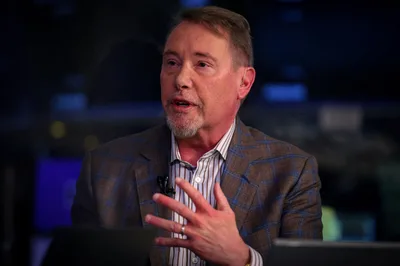
Read more Gundlach: Fed's Warsh Won't Be the Easy-Money Chief Markets Wanted →
The decision also reflects a broader institutional logic: new Fed chairs historically resist dramatic opening moves, preferring to establish credibility through consistency before introducing any meaningful policy shifts. For Warsh, whose reputation leans hawkish, maintaining the status quo may be as much a political signal to inflation-watchers as it is a practical economic judgment.
Markets will now scrutinize Warsh's accompanying commentary and press conference for any language shifts that might hint at his longer-term rate trajectory. Even subtle changes in phrasing — how the Fed characterizes inflation risks or labor market resilience — can move bond yields and equity valuations meaningfully. The real test of the Warsh era will come in subsequent meetings, when the accumulated weight of incoming data forces a clearer directional commitment.
Continue reading at CoinDesk.