How Kevin Warsh Plans to Reshape the Federal Reserve
New Fed Chairman Kevin Warsh kept rates steady but signaled structural changes ahead through internal task forces.
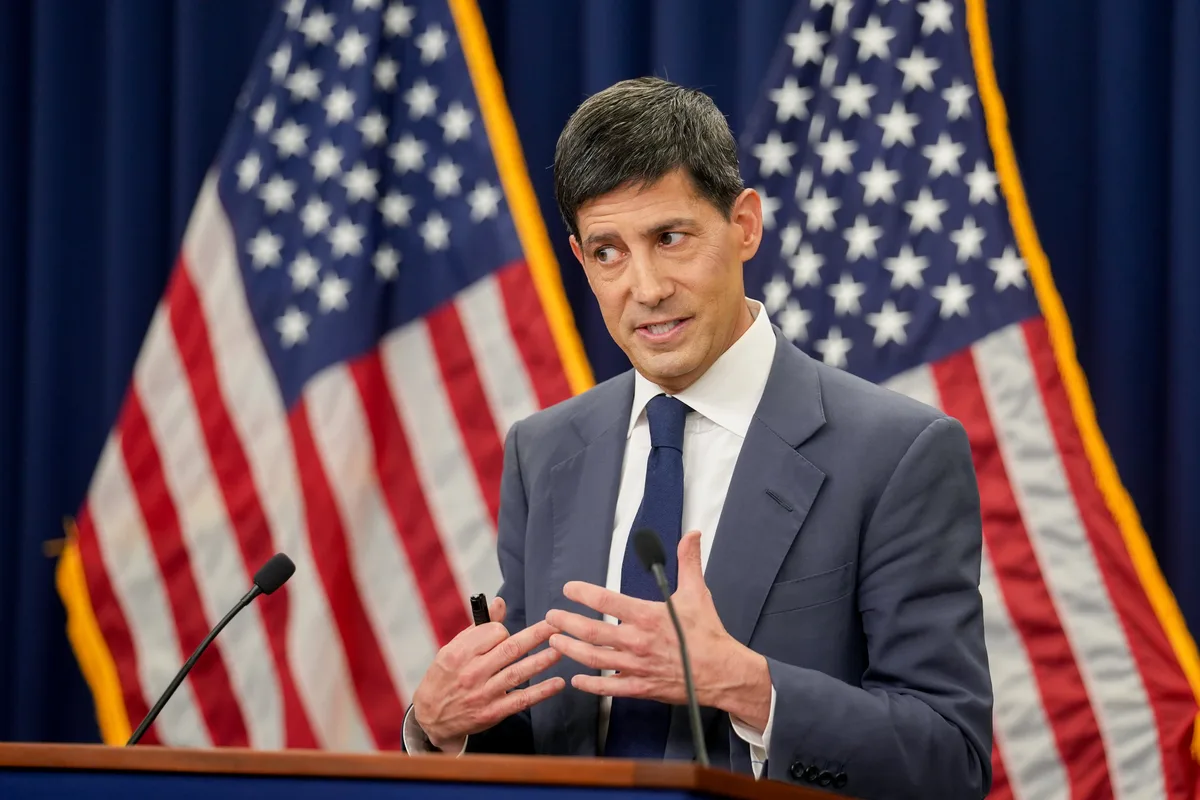
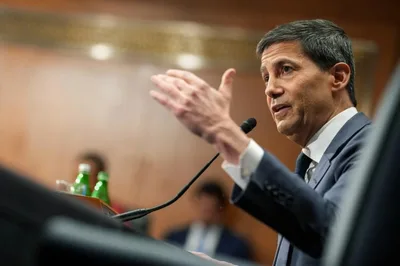
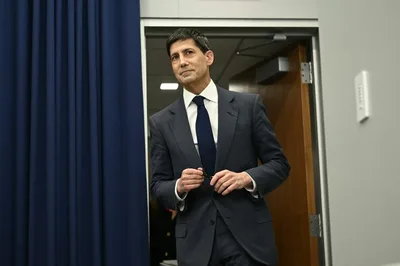
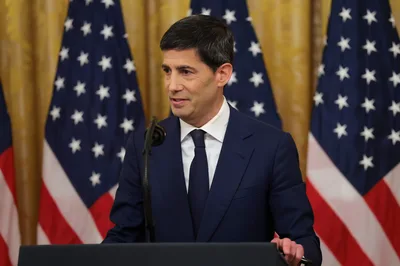
When a new Federal Reserve chairman takes the helm, the first policy meeting often serves less as a moment of action and more as a statement of intent. Kevin Warsh's debut as Fed chair fit that pattern precisely — rates stayed put, but the real signal was in the architecture he is quietly building around himself through the creation of internal task forces.
Task forces at the Fed are not mere bureaucratic window dressing. They represent a deliberate mechanism for concentrating analytical influence, shaping the flow of information to the chair, and signaling which institutional priorities will rise and which will recede. For Warsh, a longtime Fed governor and Wall Street veteran, these structures are the clearest early indicator of how he intends to govern the central bank — and how much he may diverge from the consensus-driven culture his predecessors cultivated.
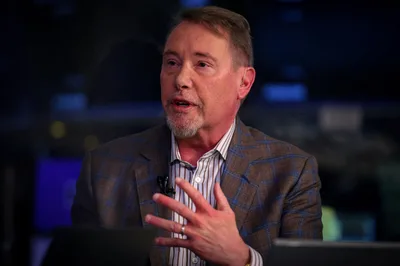
Read more Gundlach: Fed's Warsh Won't Be the Easy-Money Chief Markets Wanted →
The significance of this approach lies in what it implies about decision-making going forward. A chairman who routes key questions through hand-picked task forces is, in effect, pre-sorting the intellectual terrain before full board deliberations begin. That can accelerate reform and impose coherence on a sprawling institution, but it also risks narrowing the diversity of views that the Fed's traditionally collegial model was designed to preserve.
Watchers of monetary policy will want to track not just what these task forces are asked to study, but who staffs them and how their findings feed into formal committee votes. The Fed's credibility rests substantially on its perceived independence and rigor — and the internal processes Warsh establishes now will shape both the substance and the optics of that credibility for years to come. How he balances personal vision against institutional consensus may ultimately matter as much as any single rate decision.
Continue reading at US Top News and Analysis.