Bessent: Treasury to Oversee Released Iranian Frozen Assets
Treasury Secretary Scott Bessent says unfrozen Iranian assets will be managed by his department and directed mainly toward U.S. agriculture and medicine.
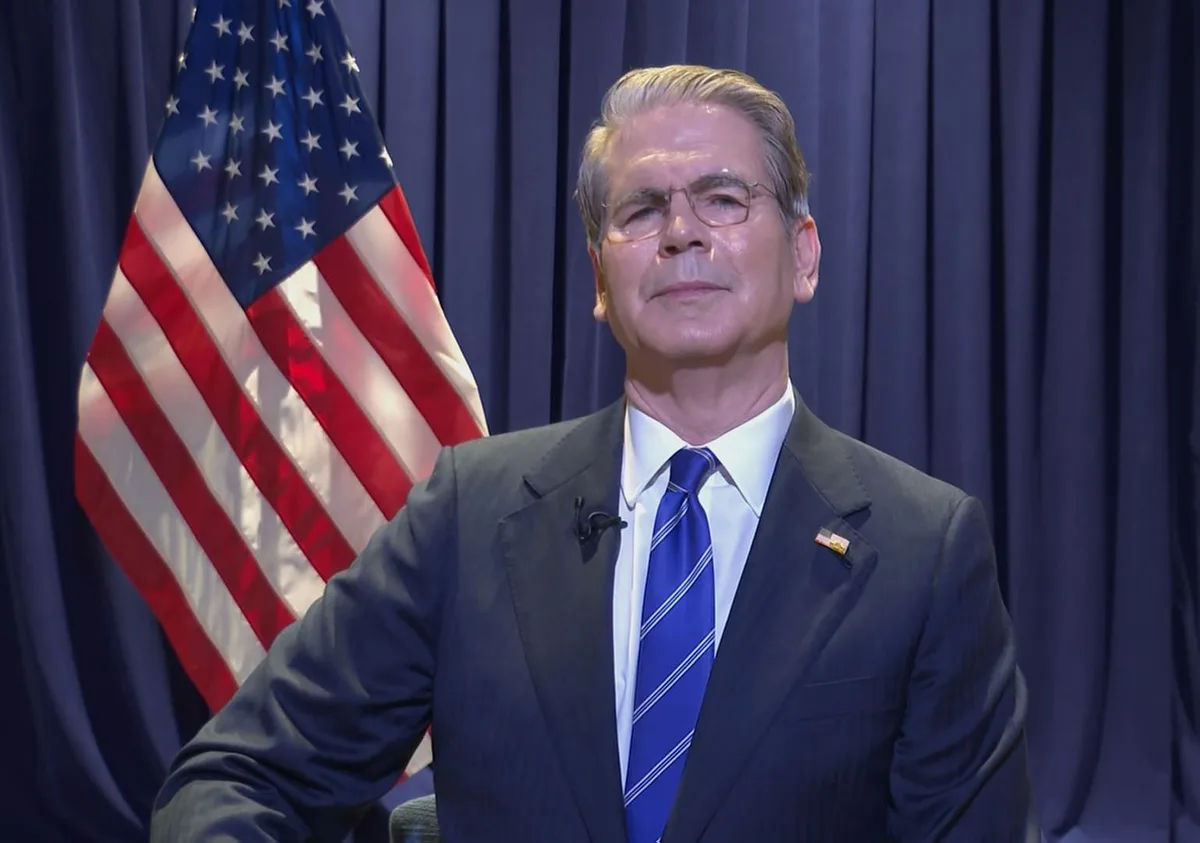
Treasury Secretary Scott Bessent has outlined how the United States intends to manage Iranian frozen assets once they are released, signaling a carefully controlled disbursement process rather than a straightforward transfer of funds to Tehran. According to Bessent, the Treasury Department will maintain direct oversight of the assets, placing Washington — not Iran — in the driver's seat of how the money flows.
Bessent specified that the released funds would be channeled largely toward U.S. agriculture and medicines, a framing that positions the disbursement as a humanitarian and trade-oriented mechanism. This approach is designed to limit the risk that funds could be redirected toward military or geopolitical purposes that would conflict with American national security interests — a longstanding concern whenever Iranian asset releases have been debated in Congress and among foreign policy analysts.
Read more IAEA Chief Confirms Iran Inspections Will Proceed Amid Talks →
The announcement carries significant diplomatic weight at a moment when U.S.-Iran relations remain volatile and nuclear negotiations continue to simmer in the background. By asserting Treasury oversight, the Bessent-led department is effectively inserting a financial compliance layer between the release of funds and their end use, a structure that could help deflect political criticism at home while still allowing a degree of sanctions relief to proceed.
The practical mechanics of such an arrangement — how funds would be tracked, what audit mechanisms would apply, and which agricultural or pharmaceutical channels would be authorized — remain to be fully detailed publicly. Analysts will be watching closely to see whether this oversight framework is robust enough to satisfy hawkish skeptics in Congress or whether it becomes a flashpoint in the broader debate over Iran policy.
Continue reading at US Top News and Analysis.