Did the White House Signal a Rate Hike Under Warsh?
Treasury Secretary Scott Bessent floated a 'tap the brakes' rate hike, prompting analysts to question whether the White House is warming to tighter monetary policy.
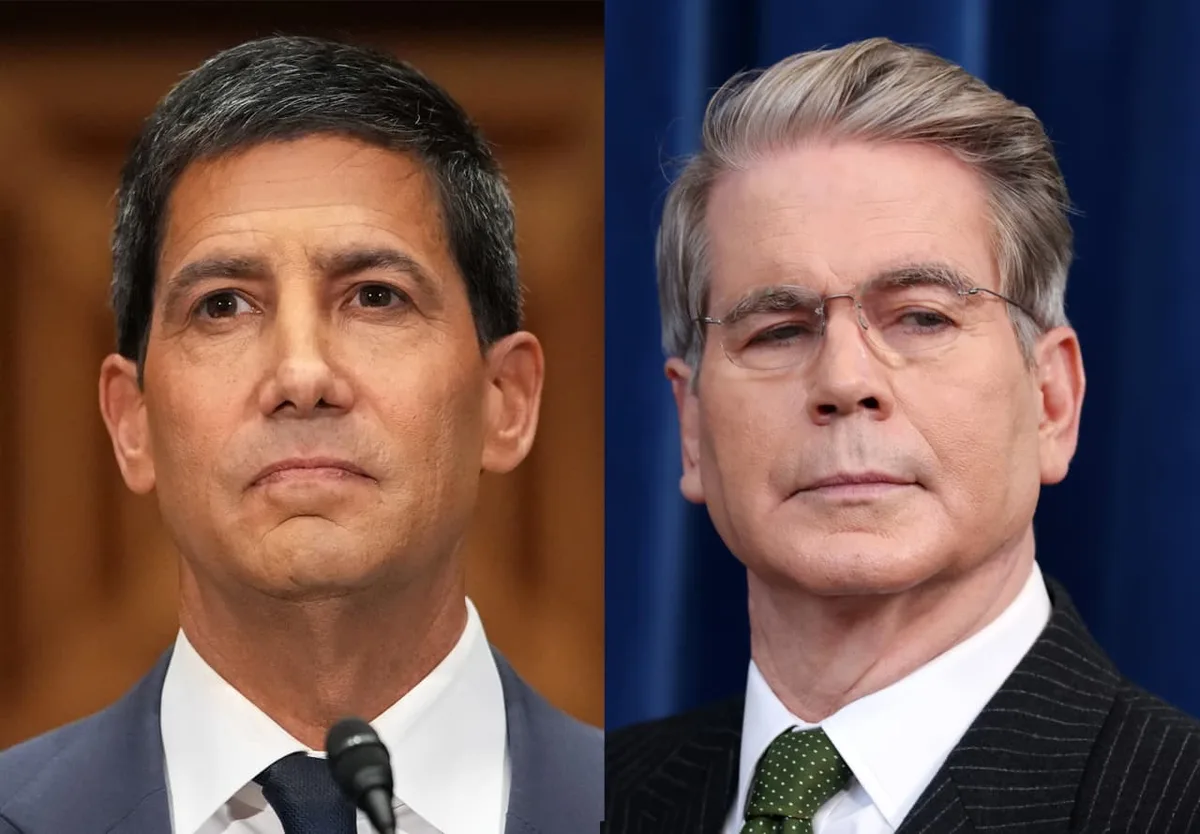
A subtle but potentially significant shift in the Trump administration's posture toward interest rates is drawing scrutiny from market analysts. Treasury Secretary Scott Bessent has publicly floated the concept of a single, measured rate hike — phrased as a move to "tap the brakes" — a framing that at least one analyst interprets as a deliberate signal to markets and to prospective Federal Reserve leadership.
The timing matters. Kevin Warsh, widely regarded as a leading candidate to replace Jerome Powell as Fed chair, has a reputation as a monetary hawk — someone more inclined to prioritize inflation control over near-term growth. If the White House is signaling openness to a rate increase, it could be read as an implicit alignment with Warsh's worldview, laying groundwork for a smoother confirmation and a more coherent policy narrative.
Read more Beyond Oil: Two Hidden Inflation Triggers That Could Force Fed Action →
Bessent's language is worth parsing carefully. Describing a potential hike as "tapping the brakes" rather than a tightening cycle suggests the administration wants to project surgical restraint rather than aggressive intervention — a framing designed to calm bond markets without alarming equity investors who have grown accustomed to rate-cut expectations.
What makes this analytically interesting is the inversion it represents. The Trump White House spent much of its first term publicly pressuring the Fed to cut rates. A rhetorical pivot toward endorsing even a modest hike would mark a meaningful departure, one that could reshape expectations for Fed independence, the inflation policy debate, and the eventual confirmation battle over the next Fed chair.
For now, this remains one analyst's interpretation of a single trial balloon. But in an environment where forward guidance moves markets as much as policy itself, Bessent's phrasing is unlikely to have been accidental. Continue reading at MarketWatch.com