China's New Consumer Trend: Emotional Spending Over Status
Young Chinese consumers are shifting away from luxury status symbols, choosing instead to spend on emotionally resonant products like toy elves and novelty robots.
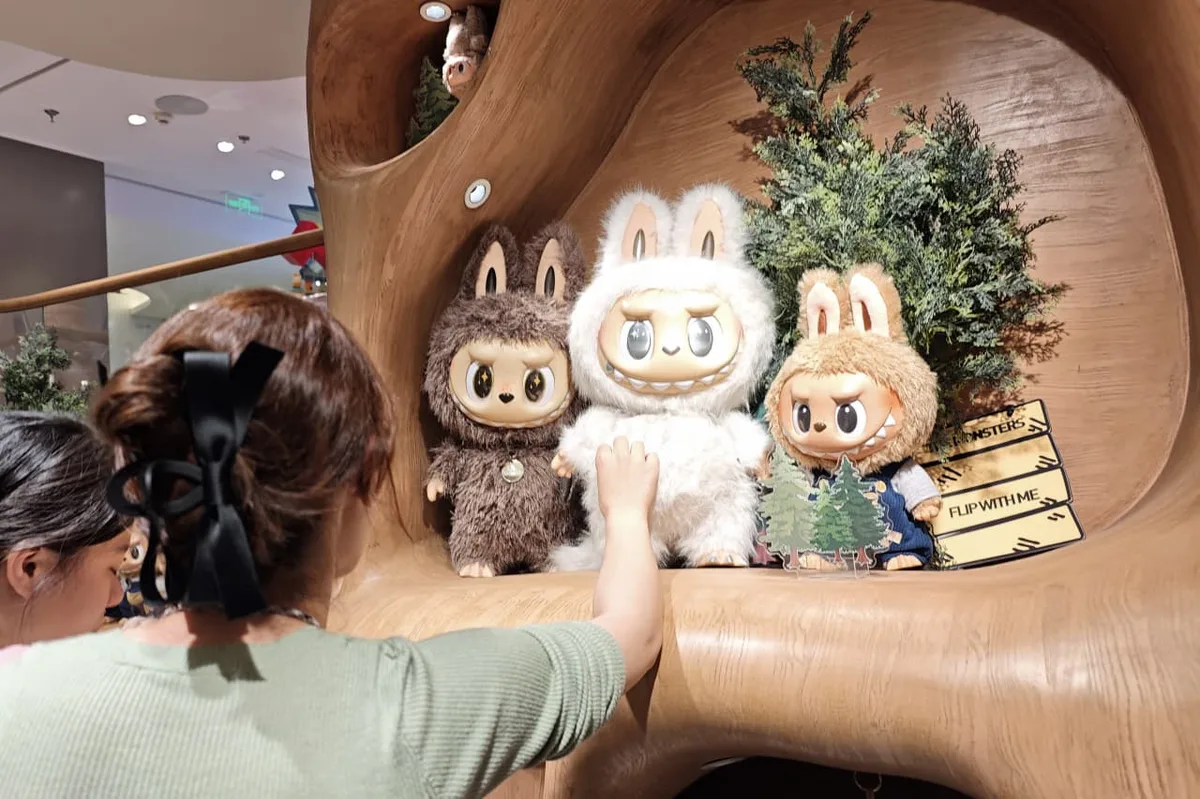
Something unusual is animating China's sluggish consumer economy: not luxury handbags or premium smartphones, but toy elves and robotic novelties. The shift signals a meaningful generational break from the aspirational spending patterns that defined Chinese consumption for the better part of two decades, and it carries real implications for brands, retailers, and policymakers watching Beijing's domestic demand story.
For years, the prevailing theory of China's consumer class centered on status signaling — the idea that rising incomes would translate into demand for prestige goods and globally recognized brands. That thesis is increasingly being tested by a younger cohort of Chinese consumers who appear more interested in emotional authenticity than social currency. Whimsical, collectible, and experiential purchases are gaining ground precisely because they deliver a feeling that conventional luxury cannot reliably supply.
Read more Japan's Core Inflation Holds Steady in May Amid Energy Worries →
The economic backdrop matters here. China's youth unemployment has been a persistent concern, and wage growth for younger workers has remained uneven. When disposable income is constrained, spending decisions become more deliberate — and for many young Chinese, the calculus increasingly favors items that provide genuine emotional satisfaction over items that project a certain image to others. In a compressed economy, joy can become a more defensible purchase than prestige.
This trend also poses a strategic challenge for multinational consumer brands that built China entry strategies around aspirational marketing. If the emotional economy continues to gain traction, the winners may be nimble domestic makers of collectible figures and interactive novelties rather than established global houses. It is a reminder that consumer behavior rarely follows a linear path, and that economic stress can catalyze surprising cultural pivots rather than simply suppressing demand.
Continue reading at MarketWatch.com