Kevin Warsh's Fed Agenda May Disappoint Trump on Rate Cuts
The Fed chair frontrunner signals a hawkish stance that diverges from Trump's push for lower rates, with real implications for investors.
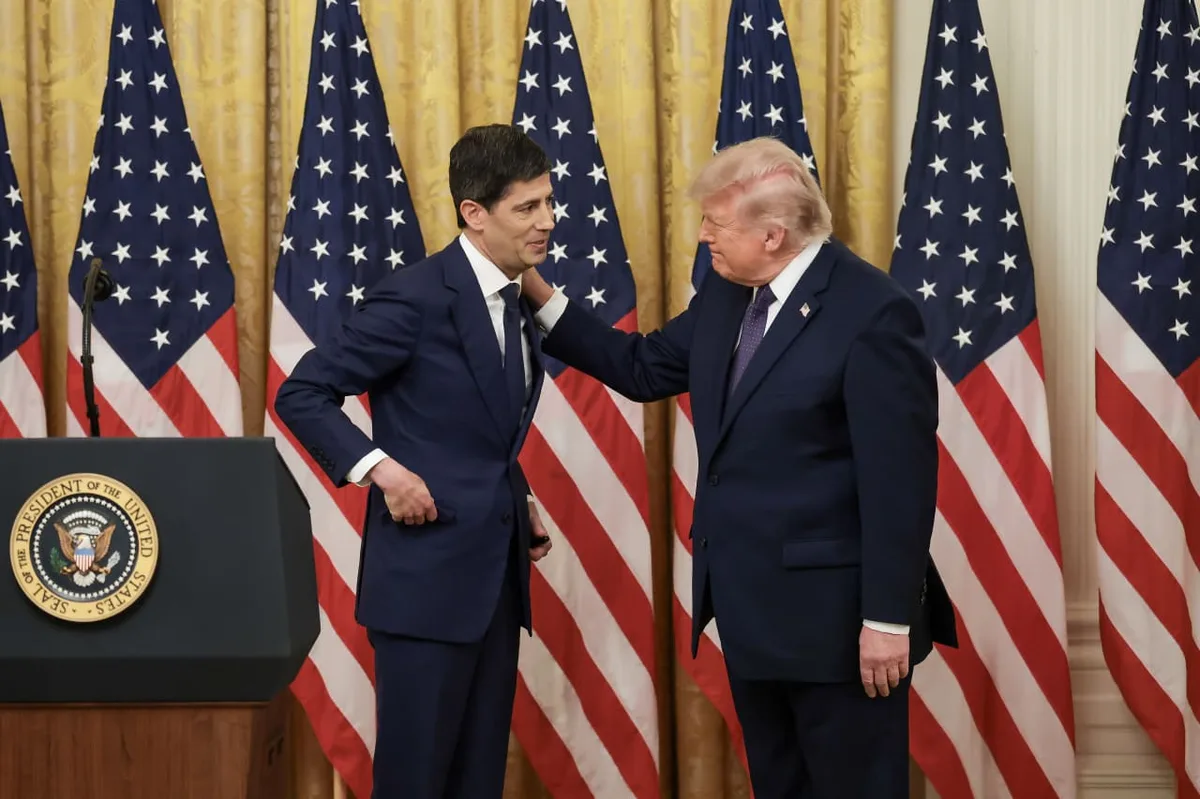
When Donald Trump elevated Kevin Warsh as his preferred choice to lead the Federal Reserve, the implicit assumption was that a loyalist pick would translate into lower borrowing costs. Warsh, however, appears to be signaling something entirely different — a hawkish posture that prioritizes inflation discipline over the rate relief the White House has been loudly demanding.
For markets, the distinction matters enormously. A Fed chair willing to hold rates elevated — or even tighten further if inflation proves stubborn — would sustain pressure on equities, keep mortgage rates uncomfortably high for would-be homebuyers, and raise the cost of carrying credit card and auto loan debt. The transmission from Fed policy to household finances is neither abstract nor slow-moving; it shows up in monthly payments almost immediately.
Read more Japan's Core Inflation Holds Steady in May Amid Energy Worries →
The broader tension here is structural. Trump has long viewed the Fed as a lever for economic stimulus, publicly pressuring Jerome Powell to cut rates throughout his first term and into his second. Warsh's apparent willingness to resist that pressure — should the inflation outlook demand it — suggests the next Fed chief may be more institutionally independent than his selection process implied. That independence, if real, would be a meaningful signal to bond markets that the central bank's credibility remains intact.
For everyday investors and savers, the practical takeaway is to prepare for a higher-for-longer rate environment extending well into the next Fed leadership cycle. That means reassessing bond duration exposure, scrutinizing floating-rate debt obligations, and recognizing that the yield advantage in money-market funds and short-term Treasuries may persist longer than consensus currently expects. The gap between what a president wants and what a Fed chair actually does has historically defined market cycles — and this one may be no different.
Continue reading at MarketWatch.com