Why Japan's Massive Yen Defense Is Losing Its Punch
Despite $70B+ in intervention and a rate hike, Japan's yen hovers near 160 again, raising questions about policy limits.
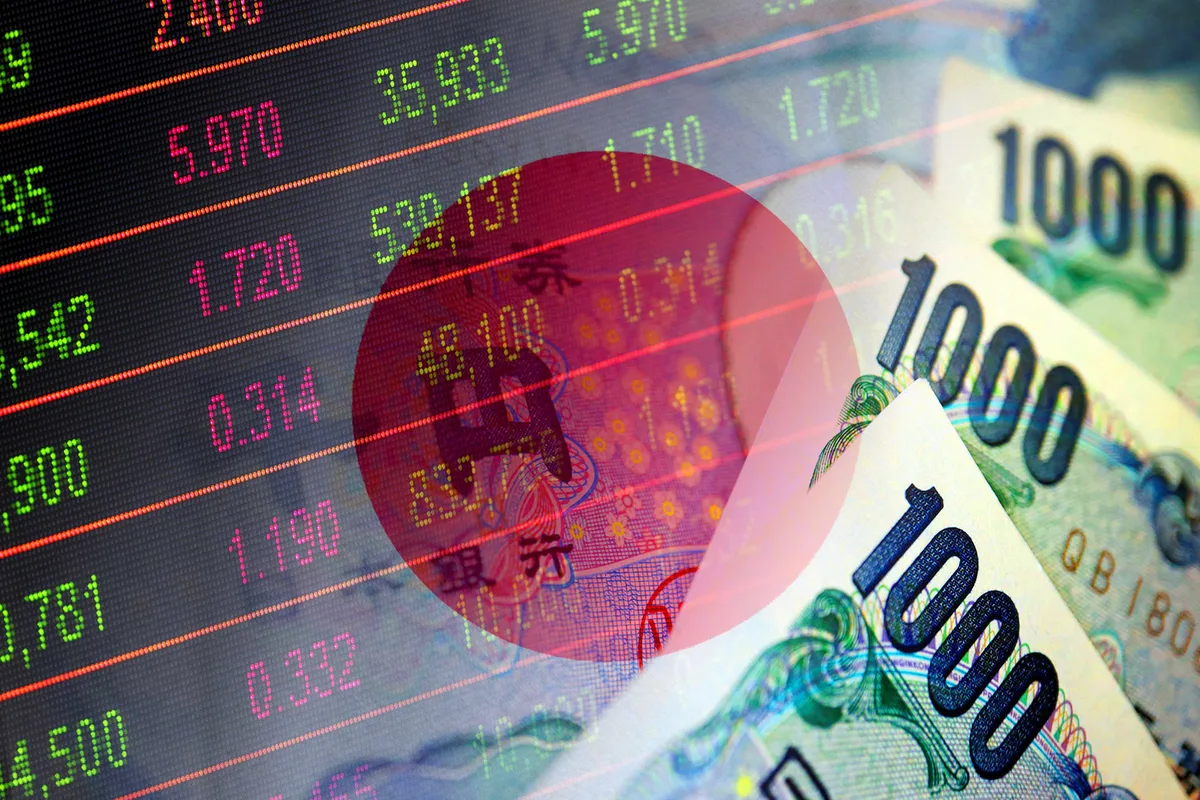
Japan's currency defense playbook is being tested in ways that few policymakers anticipated. After spending more than $70 billion in intervention funds and executing a notable interest rate hike, the yen has drifted back toward the 160-per-dollar threshold — the same level that previously triggered emergency action from Tokyo. That the currency sits near this politically sensitive floor again suggests the traditional tools of monetary sovereignty are facing structural headwinds.
Currency intervention works best as a shock tactic, buying time for underlying fundamentals to shift. But when the fundamentals — primarily the wide interest rate gap between Japan and the United States — remain largely intact, even massive dollar-selling operations tend to have a short half-life. Markets understand this calculus well, and traders willing to bet against the yen know that Tokyo's reserves, while substantial, are not infinite. The yen's return to the 160 zone implies that speculative pressure has reasserted itself with confidence.
Read more Japan's Core Inflation Holds Steady in May Amid Energy Worries →
The Bank of Japan's rate hike added a layer of complexity to the story. In theory, tighter monetary policy should attract capital inflows and support the currency. In practice, Japan's rate adjustments remain modest relative to the Federal Reserve's benchmark, meaning the carry trade — borrowing cheaply in yen to invest in higher-yielding assets elsewhere — continues to incentivize selling the currency. A marginal rate increase does not fundamentally alter that arithmetic.
What this moment reveals is a broader tension in Japan's economic strategy: how to normalize monetary policy gradually without triggering financial market disruption, while simultaneously defending a currency that decades of ultra-loose policy helped weaken. Each intervention risks sending conflicting signals — tightening with one hand while trying to shore up confidence with the other. Observers watching Tokyo will want to know not just whether officials act again at 160, but whether any action can durably change the trend without a more decisive policy pivot.
Continue reading at US Top News and Analysis