Bill Gates Testifies on Jeffrey Epstein Ties Before House Panel
House Oversight released Gates's testimony admitting his Epstein meetings were a mistake he should never have made.
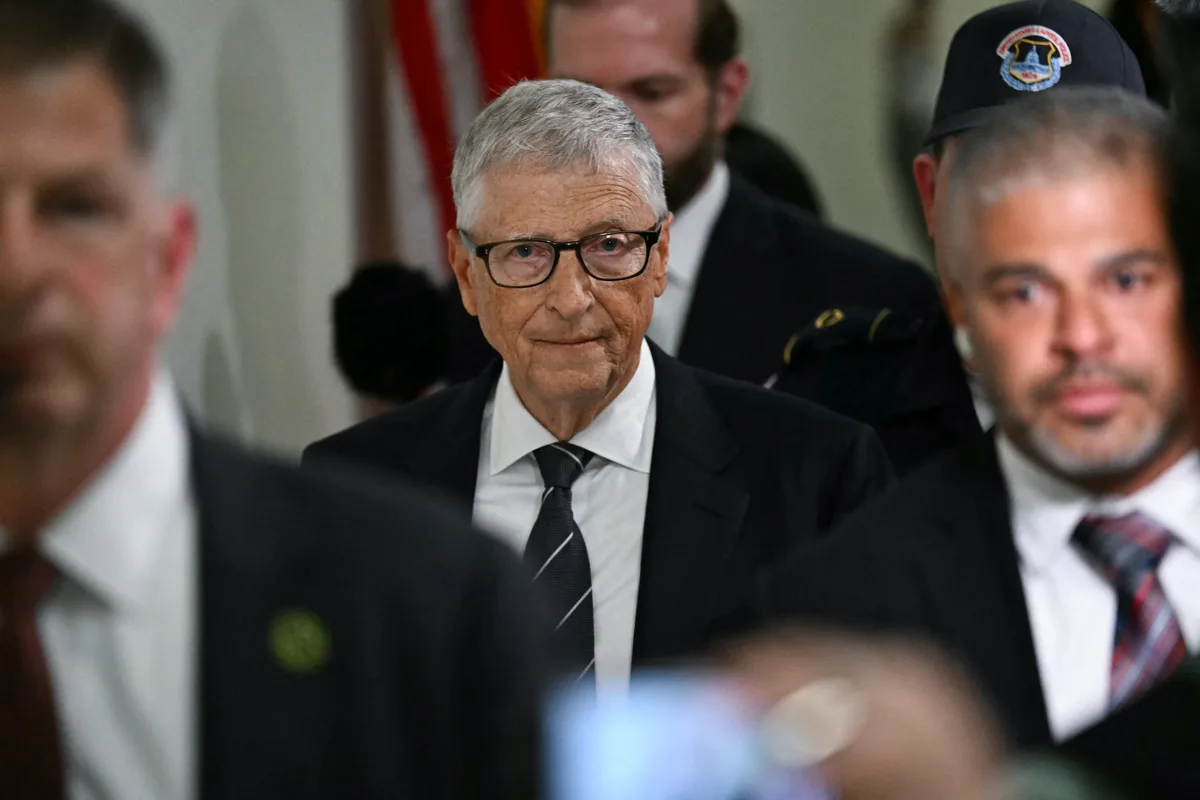
Bill Gates acknowledged before the House Oversight and Government Reform Committee that his association with the late financier and convicted sex offender Jeffrey Epstein was a profound error in judgment. "I should never have met with Epstein in the first place," Gates stated in testimony that the committee subsequently made public, marking a rare moment of formal congressional scrutiny of one of the world's wealthiest individuals.
The release of the testimony by the House Oversight panel signals renewed legislative interest in mapping the full network of prominent figures who maintained relationships with Epstein, whose connections to powerful elites in finance, politics, and technology became a subject of intense public and legal inquiry following his 2019 arrest and death in federal custody. Congressional oversight committees have increasingly used their subpoena and interview powers to surface private admissions that would otherwise remain out of the public record.
Read more IAEA Chief Confirms Iran Inspections Will Proceed Amid Talks →
For Gates, the acknowledgment carries significant reputational weight. His association with Epstein had already drawn scrutiny in prior years, with reporting suggesting the two met on multiple occasions after Epstein's 2008 conviction on state prostitution charges — a timeline that makes any claimed ignorance of Epstein's history difficult to sustain. Gates's direct concession before lawmakers forecloses ambiguity and places his regret on the formal congressional record.
The broader significance of this disclosure lies in what it suggests about accountability mechanisms for ultra-high-net-worth individuals. Congressional testimony, even when voluntary or conducted in a less adversarial format, creates a documented record that shapes public perception and can influence ongoing civil litigation connected to Epstein's network. How much further the committee intends to pursue this line of inquiry remains an open question, but the release of Gates's remarks suggests lawmakers see public disclosure itself as a tool of consequence.
Continue reading at US Top News and Analysis