Bitcoin Rally Loses Momentum as Trader Positioning Thins Out
Bitcoin's recent advance is showing signs of fatigue, with declining open interest casting doubt on whether bulls can sustain the move.
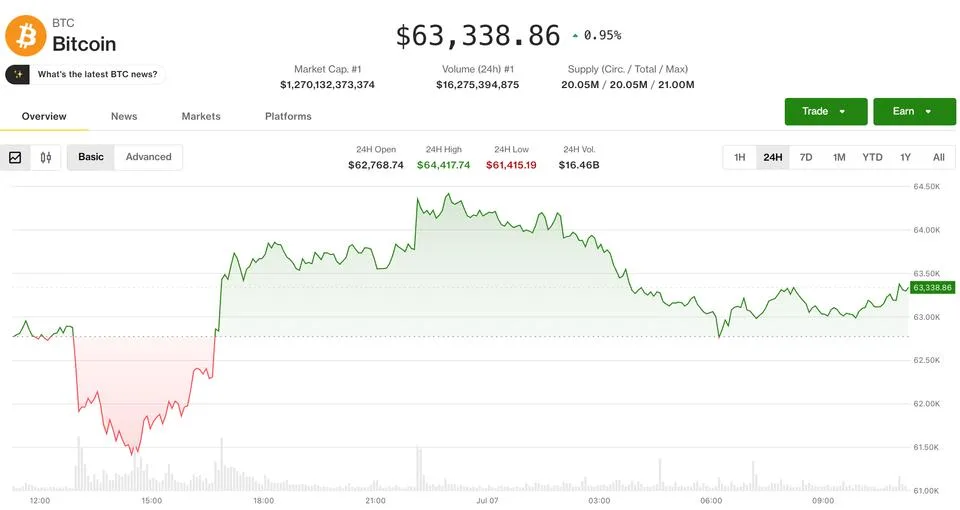
Bitcoin's latest upward push appears to be running into a familiar wall: a market structure that lacks the depth to support a durable rally. When open interest — the total value of outstanding derivatives contracts — falls even as prices climb, it typically signals that traders are closing positions rather than piling into new bets, a dynamic that can leave a rally looking impressive on a chart but fragile in practice.
The concern here is not simply that momentum has cooled. It is that the underlying conviction among leveraged participants seems to be softening at exactly the moment when a show of strength matters most. In healthy bull markets, rising prices tend to attract fresh capital into futures and options markets, creating a self-reinforcing cycle. The absence of that pattern raises legitimate questions about who is actually buying — and whether that cohort has enough firepower to push prices meaningfully higher.
Read more Oil Investors Eye Strait of Malacca as Next Toll Flashpoint →
Open interest serves as a proxy for market participation and risk appetite. A sustained decline in that metric alongside stalling prices suggests the traders who drove the initial move may be taking profits or hedging exposure rather than doubling down. That behavior is not inherently bearish, but it does compress the range of likely near-term outcomes and shifts the burden of proof onto the bulls.
For longer-term investors, the current environment underscores why price alone is an incomplete signal. Derivatives data, funding rates, and positioning metrics collectively paint a more nuanced picture of market health than any single candlestick. Bitcoin has confounded skeptics before by staging sharp reversals just when sentiment turned cautious — but those reversals have generally required a catalyst and fresh institutional or retail inflows to get going.
Continue reading at CoinDesk