Oil Investors Eye Strait of Malacca as Next Toll Flashpoint
Hormuz transit fee fears are spreading. Investors worry similar tolls could emerge in other critical maritime chokepoints.
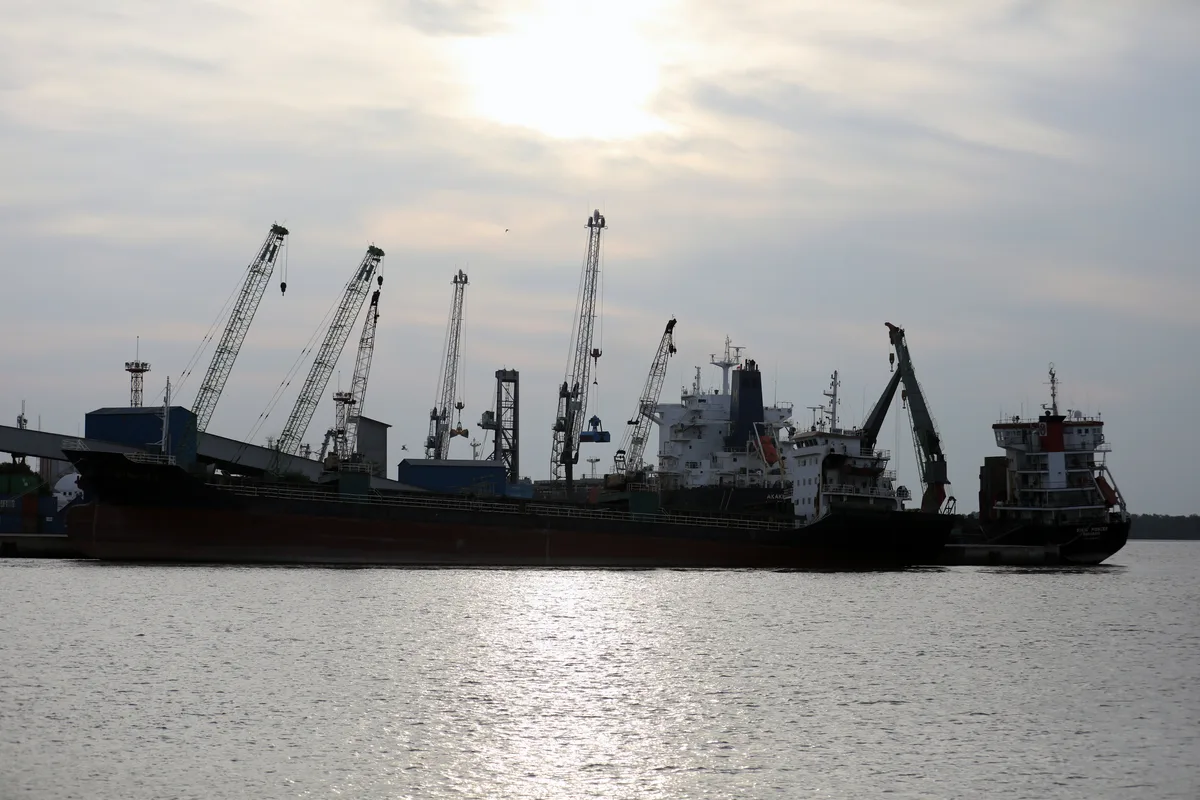
A proposal to charge fees for passage through the Strait of Hormuz has unsettled energy markets, but the deeper anxiety among oil investors is what comes next. The Hormuz corridor carries an enormous share of the world's seaborne crude, and any move to monetize that leverage sets a precedent that other strategically positioned nations could find difficult to resist.
The Strait of Malacca, which links the Indian Ocean to the Pacific and serves as the primary artery for energy shipments bound for China, Japan, and South Korea, has emerged as the corridor investors are watching most closely. If Hormuz can be framed as a tollway, the logic could migrate eastward — and the economic consequences of disruption or surcharges in Malacca would be felt across the entire Asia-Pacific industrial economy.
Read more Portfolio Moves: Trimming a Rotation Winner, Adding a New Position →
For oil markets, the concern is less about any single fee and more about the normalization of the concept. Chokepoint leverage has historically been treated as a geopolitical threat held in reserve; transforming it into a revenue mechanism would fundamentally alter the risk calculus for global energy supply chains. Investors pricing long-dated crude contracts or shipping derivatives would need to factor in a new, recurring layer of geopolitical rent-seeking that has no modern precedent.
The alarm is also a reminder of how thinly stretched the assumptions underlying energy security really are. Global oil logistics depend on a handful of narrow passages, and the stability of those passages has long been treated as a background condition rather than a variable. That assumption now looks more fragile, and markets are beginning to reprice accordingly.
Continue reading at US Top News and Analysis.