BitGo Launches $50M Buyback as Stock Sits 65% Below IPO Price
BitGo announced a $50 million share buyback program even as its stock valuation remains dramatically below its initial public offering price.
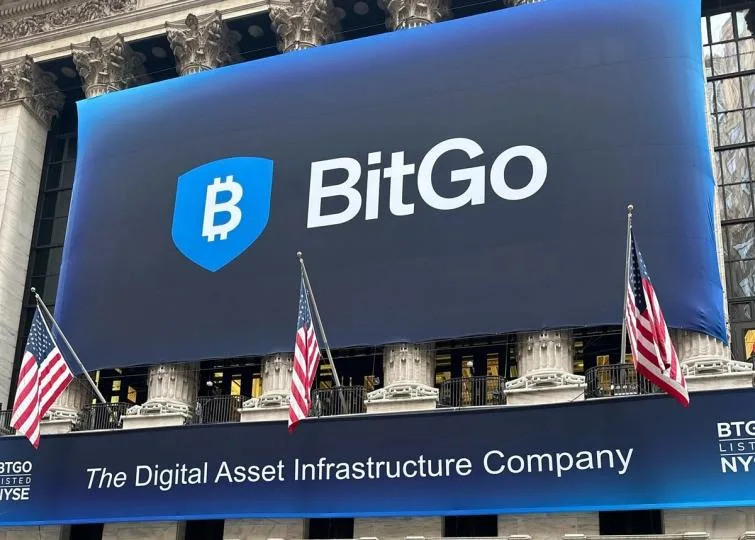
BitGo, the cryptocurrency custody and infrastructure firm, has authorized a $50 million share repurchase program, triggering a notable surge in its stock price even as the company's valuation continues to sit roughly 65 percent below where it debuted at its IPO. The buyback announcement signals that management believes the current share price represents a meaningful discount to intrinsic value — a classic corporate finance signal intended to restore investor confidence and reduce the float.
Share buybacks are a well-established mechanism for companies to return capital to shareholders and, in theory, prop up earnings per share by reducing the number of outstanding shares. For a crypto-adjacent firm like BitGo, however, the move carries additional interpretive weight. The company operates in a sector that has endured prolonged valuation compression since the peak of the 2021 digital asset boom, and the gap between its IPO price and current trading levels reflects the broader reckoning that institutional crypto infrastructure businesses have faced.
Read more Bitcoin Cash Leads CoinDesk 20 Index Decline With 3.1% Drop →
The decision to deploy $50 million in repurchases rather than, say, accelerating product investment or pursuing acquisitions suggests that BitGo's leadership views its equity as underpriced relative to its underlying business fundamentals. Whether that judgment proves correct depends heavily on the pace of institutional crypto adoption, regulatory clarity in the United States, and the company's ability to grow custody and settlement revenues in a competitive landscape.
For retail and institutional investors watching the crypto custody space, BitGo's buyback is a notable data point — but it is not necessarily a turning point. A 65 percent decline from IPO pricing reflects deep skepticism that a single capital-return program, however well-intentioned, may not fully resolve. The stock's reaction suggests some short-term enthusiasm, yet the structural overhang remains until the company can demonstrate sustained revenue growth that justifies a higher multiple.
Continue reading at CoinDesk.