Cerebras Stock Falls Below IPO Price After 50% Slide
The AI chip maker's shares have shed more than half their value from a peak hit just six weeks ago, erasing early investor gains.
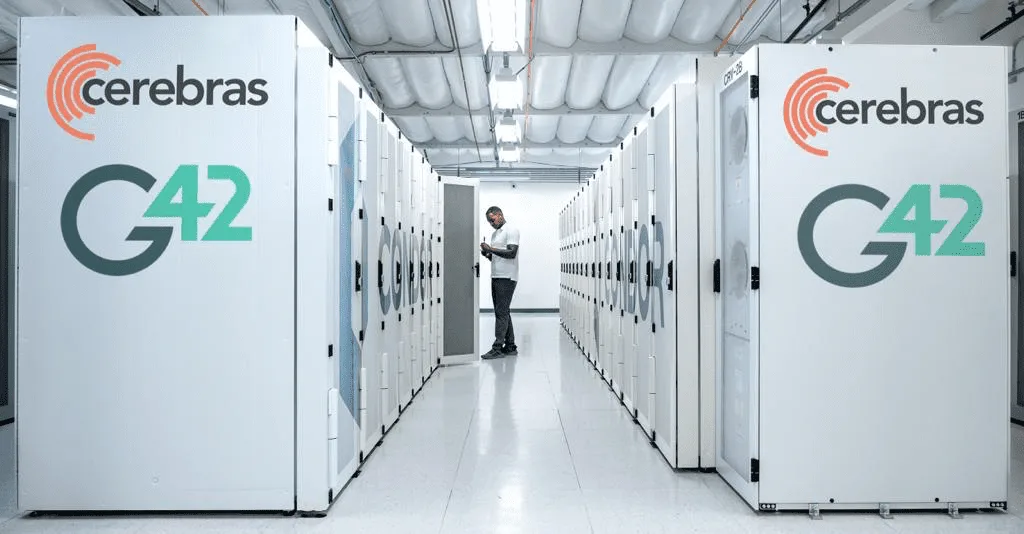
Cerebras Systems, the artificial intelligence chip designer that debuted with considerable fanfare, has seen its stock fall below its initial public offering price — a painful milestone that underscores how quickly sentiment can reverse in speculative technology markets. The shares have now tumbled more than 50% from their all-time intraday high reached just six weeks prior, wiping out substantial paper gains for investors who bought in at or near the peak.
The reversal is a sobering reminder of the dynamics that define high-profile tech IPOs in a rate-sensitive environment. Stocks that surge sharply in early trading often attract momentum buyers who amplify the rally — and then accelerate the decline when confidence wavers. For Cerebras, slipping beneath the IPO price is more than a psychological threshold; it signals that even the investors who purchased shares at the original offering are now underwater.
Read more Kalshi Eyes $40 Billion Valuation in Prediction Market Surge →
The broader AI chip sector has faced a more discerning investor audience in recent months, as markets weigh the gap between near-term earnings realities and long-run growth narratives. Cerebras had positioned itself as a challenger to established players in AI silicon, but translating that competitive pitch into durable stock performance has proven difficult in a volatile tape. Early backers — including venture and institutional investors who received allocations at the IPO — now face a meaningful test of conviction.
Whether the stock finds a floor will depend on a combination of factors: upcoming financial disclosures, shifts in AI infrastructure spending by major cloud customers, and the overall risk appetite of technology investors. For now, the more-than-50% drawdown from the intraday high serves as a case study in how quickly the premium attached to AI-adjacent names can compress when the market's mood shifts.
Continue reading at MarketWatch.com