China Dismisses AI Slowdown Calls as 'Fear Mongering'
Beijing pushes back against tech CEOs urging an AI pause, framing the debate as a call for global openness and cooperation.
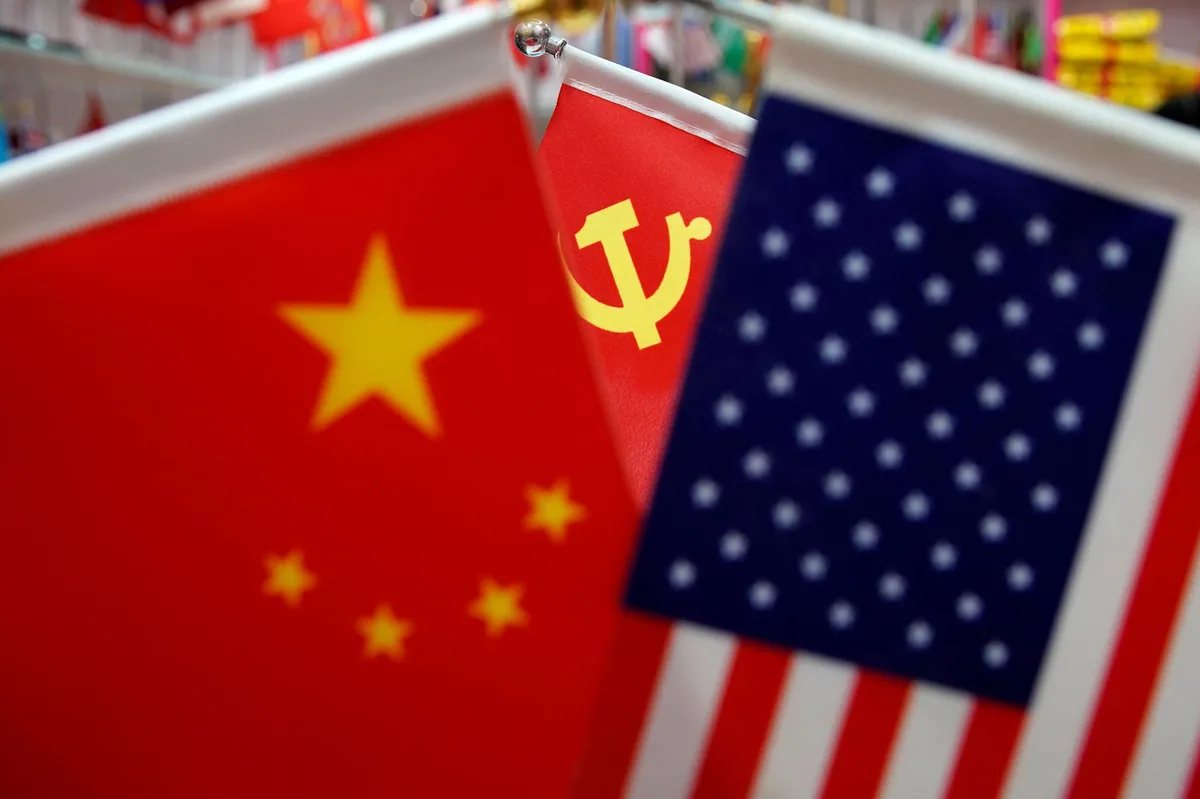
China's government has sharply rejected appeals from prominent artificial intelligence executives who have called for a slowdown in AI development, labeling those warnings as little more than fear mongering. The rebuke, delivered through Chinese state media's coverage of a daily press conference, signals Beijing's firm intention to press forward with AI advancement rather than pump the brakes at the urging of Western tech leaders.
The framing chosen by Chinese officials is telling. Rather than engaging directly with the technical or ethical arguments underpinning the slowdown movement — concerns about safety, alignment, and societal disruption — Beijing pivoted to broader ideological language, emphasizing that all nations and stakeholders should collaborate on AI in a spirit of openness and inclusivity. That rhetorical move positions China as a champion of equitable access to AI, implicitly casting slowdown advocates as protectionist or self-serving.
Read more Trump Backs Nvidia's Huang, Dismisses AI Slowdown Calls as 'Hoax' →
The tension here is significant. A growing cohort of AI researchers and company leaders in the United States and Europe have argued that the pace of frontier model development outstrips humanity's ability to understand or govern it safely. China's dismissal suggests the two largest AI powers are operating under fundamentally different assumptions about risk — and different calculations about who stands to gain or lose from a pause.
For global AI governance efforts, that divergence could prove consequential. Multilateral frameworks for managing transformative technologies typically require buy-in from all major players. If Beijing treats safety-motivated slowdown calls as geopolitical maneuvering rather than good-faith concern, the prospects for meaningful international coordination on AI risk narrow considerably. The state media emphasis on "openness and inclusivity" may also be a strategic signal aimed at positioning China favorably with developing nations that feel excluded from AI's benefits.
Continue reading at US Top News and Analysis