Chinese Lidar Maker Hesai Faces U.S. Cybersecurity Scrutiny
Hesai Technology, a Chinese lidar firm with Nvidia ties, was designated a Chinese military entity by the Pentagon in 2024.
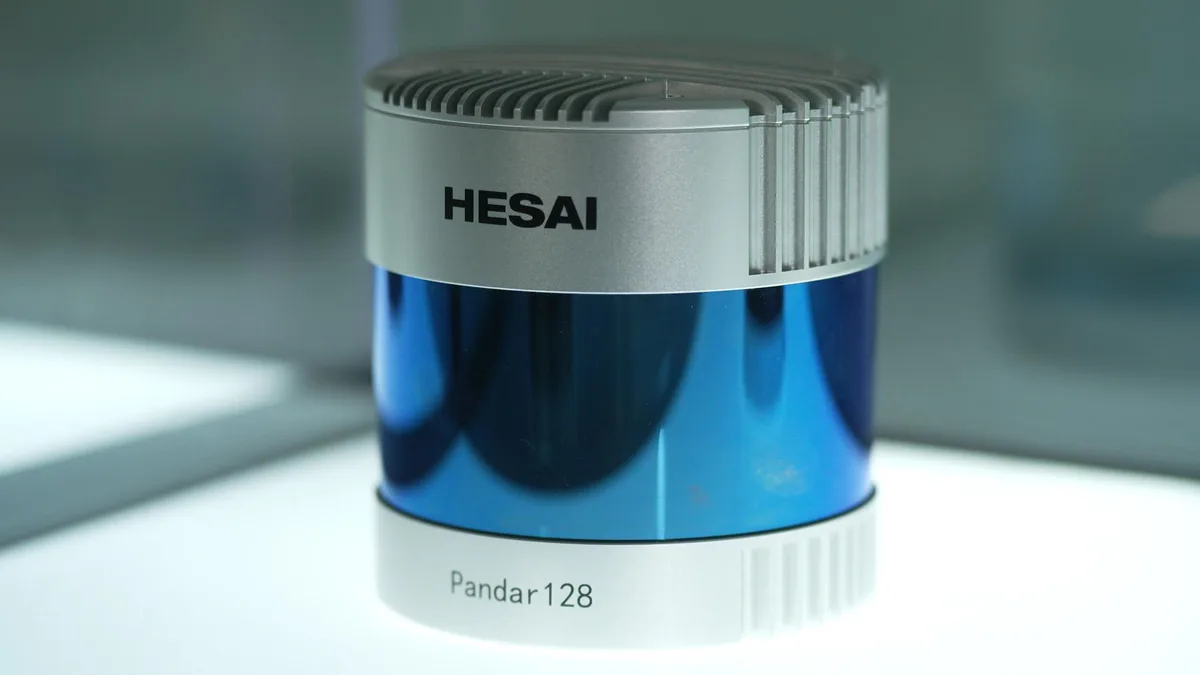
A Chinese lidar manufacturer with reported connections to Nvidia has come under intensifying scrutiny from U.S. national security officials, raising fresh questions about the intersection of advanced sensor technology and foreign military risk. Hesai Technology, one of the world's leading producers of lidar systems used in autonomous vehicles and robotics, was added to a Pentagon blacklist in 2024 after the U.S. Department of Defense designated it a Chinese military entity — a classification that signals serious concern about the company's ties to China's defense apparatus.
The designation places Hesai in a category of companies that American officials believe support or enable the People's Liberation Army, even if those firms operate primarily in commercial markets. Lidar technology, which uses laser pulses to map environments in precise three-dimensional detail, is considered dual-use — meaning it has both civilian applications and significant potential military utility, from autonomous battlefield vehicles to surveillance infrastructure.
Read more Beijing Eyes Restrictions on Overseas Access to Chinese AI Models →
The Nvidia connection adds another layer of complexity to an already fraught geopolitical picture. Nvidia's semiconductors have become central to artificial intelligence and autonomous systems globally, and any supply chain linkage between a Pentagon-blacklisted firm and America's most strategically important chipmaker is likely to draw continued congressional and regulatory attention. The broader pattern here reflects an accelerating effort by U.S. policymakers to scrutinize Chinese technology companies embedded in Western supply chains, particularly those touching on sensing, AI, and autonomous systems.
For American companies and investors, the Hesai case is a cautionary signal about due diligence in technology partnerships involving Chinese firms operating in sensitive hardware categories. The Pentagon's military-entity list does not automatically impose export controls or sanctions, but it carries reputational and regulatory weight that can complicate business relationships and attract further government action over time.
Continue reading at US Top News and Analysis.