CME Plans Lawsuit Against CFTC Over Perpetual Futures Approval
CME CEO Terrence Duffy announced the exchange operator intends to sue the CFTC after the regulator approved perpetual futures contracts.
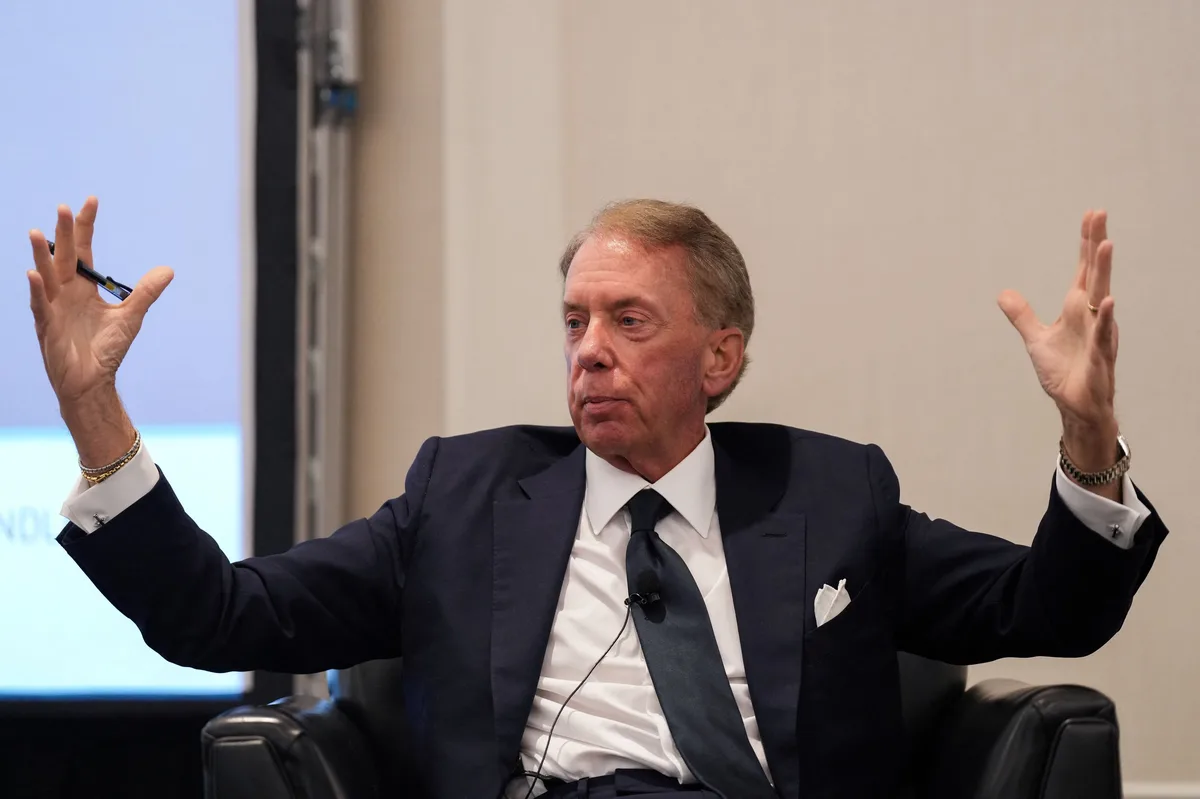
The Chicago Mercantile Exchange is preparing to take the Commodity Futures Trading Commission to court, with outgoing CEO Terrence Duffy publicly announcing that CME will file a lawsuit challenging the agency's decision to approve perpetual futures contracts. The move marks a striking escalation of tension between one of the world's largest derivatives exchanges and its primary federal regulator.
Perpetual futures — contracts with no expiration date — have been a staple of offshore cryptocurrency markets for years, popularized by platforms operating outside U.S. jurisdiction. The CFTC's decision to green-light the product domestically represents a significant regulatory shift, one that CME leadership clearly views as a threat to the competitive and structural integrity of regulated futures markets it has long dominated.
Read more Bitcoin Cash Leads CoinDesk 20 Index Decline With 3.1% Drop →
Duffy's decision to announce litigation publicly, rather than pursue quiet regulatory channels, signals the depth of CME's opposition. As an outgoing CEO, his willingness to commit the institution to what could be a protracted legal battle suggests the objection runs through the organization rather than reflecting a personal agenda. It also underscores how consequential the derivatives industry considers the CFTC's perpetual futures ruling to be for the future architecture of American financial markets.
The lawsuit, when filed, will likely center on questions of regulatory process and statutory authority — whether the CFTC followed proper administrative procedures and whether approving perpetual contracts falls within its legislative mandate. The outcome could set a precedent that reshapes the boundaries of derivative product innovation in the United States for years to come, affecting everything from crypto-linked instruments to broader commodity markets.
Continue reading at US Top News and Analysis