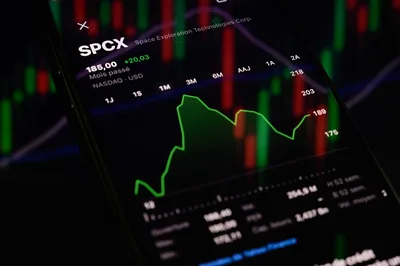
Could GameStop Reinvent Itself as an Investment Holding Company?
GameStop is drawing comparisons to Berkshire Hathaway as it explores shifting from retail to an investment-focused business model.
The idea of GameStop transforming into something resembling Berkshire Hathaway may sound like financial fiction, but it reflects a genuine strategic crossroads the struggling video game retailer now faces. With physical game sales in long-term structural decline and digital distribution continuing to erode its core business, the company's leadership has reason to consider radical reinvention rather than incremental retail fixes.
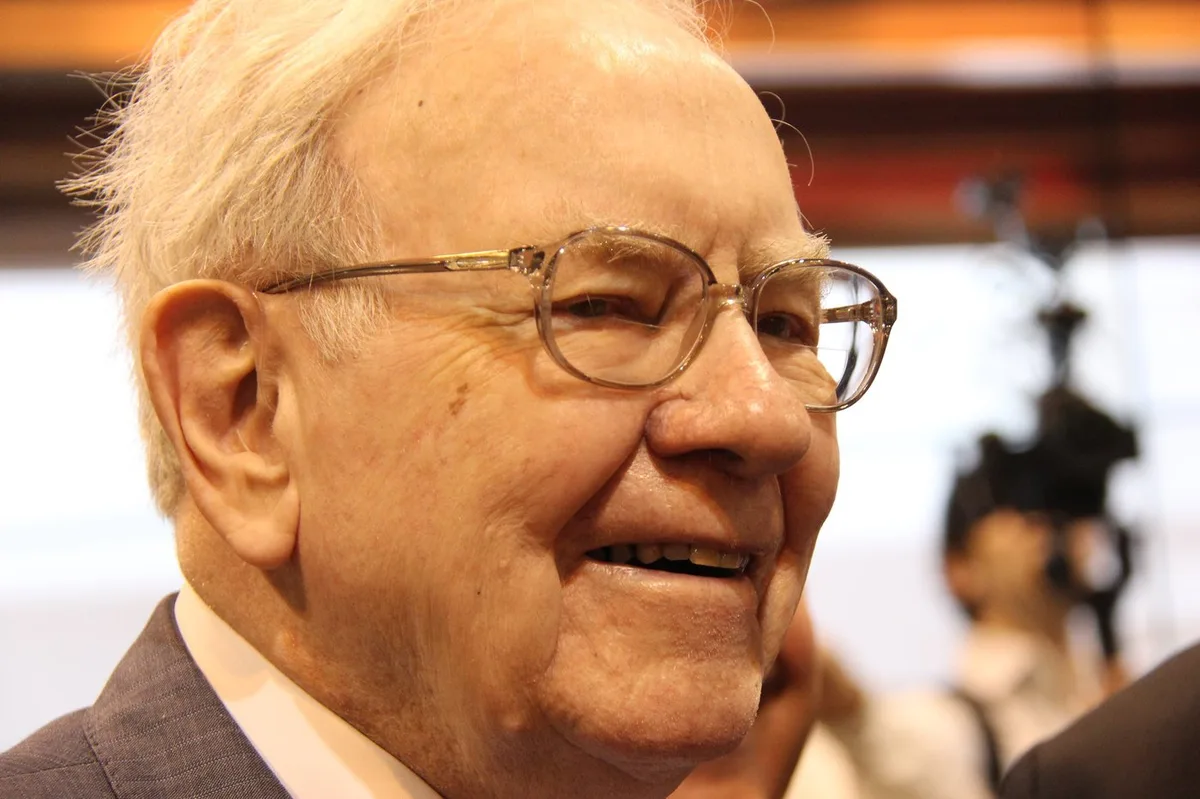
The Berkshire Hathaway comparison carries a specific logic: Warren Buffett's conglomerate famously began as a failing textile manufacturer before pivoting entirely into capital allocation and acquisitions. The argument is that GameStop, sitting on a substantial cash reserve built during the meme-stock era, could theoretically deploy that capital into investments or acquisitions rather than defending a shrinking storefront footprint.
Read more Wells Fargo Reaffirms Buy Rating on Affirm Holdings →
Yet the analogy has significant limits. Berkshire's transformation was driven by Buffett's decades of demonstrated investment expertise and a disciplined, value-oriented philosophy built over generations. GameStop, by contrast, rose to financial relevance largely through a retail trading frenzy rather than operational excellence. Cash on hand is a resource, but it is not a strategy — and the distance between holding capital and allocating it wisely is enormous.
What makes this moment analytically interesting is less whether GameStop can become Berkshire Hathaway — it almost certainly cannot replicate that model — and more what it signals about the broader challenge facing legacy retail brands in declining categories. The real question for investors is whether management has the discipline and expertise to steward capital effectively, or whether the cash reserve will erode through misallocated bets and continued operational losses.
For now, GameStop remains a company defined more by its cultural moment than its business fundamentals. Whether it can translate notoriety into durable value creation is the central test ahead. Continue reading at Yahoo Finance.