Delta's Record Fuel Costs Offset Strong Travel Demand in Q Results
Delta posted a profit decline after absorbing its highest-ever quarterly jet-fuel bill, even as passenger demand remained robust.
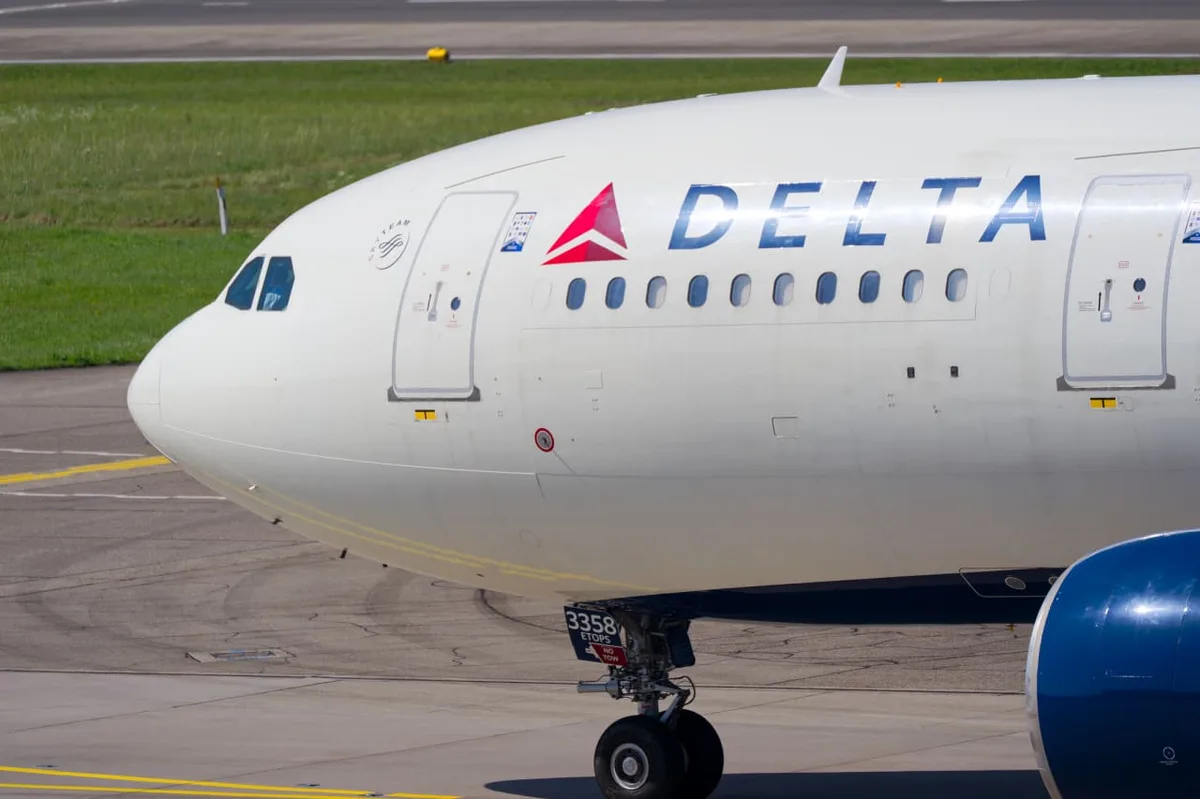
Delta Air Lines finds itself caught between two powerful and opposing forces: a travel market that continues to show remarkable consumer appetite and a fuel cost structure that is quietly eroding the gains that demand would otherwise deliver. The airline's latest quarterly results made that tension impossible to ignore, with profit falling despite what management characterized as strong bookings and ticket revenue.
The headline number that stands out is the fuel bill — Delta absorbed its highest quarterly jet-fuel expense in company history. That single line item illustrates just how exposed legacy carriers remain to commodity price swings, even after years of hedging strategy refinements and fleet modernization efforts designed to extract better efficiency from every gallon burned. When fuel costs surge at historic scale, operational discipline and pricing power can only partially compensate.
Read more Hyundai Pioneers Stablecoin Payments Among South Korean Firms →
What makes Delta's situation analytically interesting is the demand side of the ledger. Travel appetite among consumers has proven strikingly durable in the post-pandemic era, defying repeated predictions of a pullback as household budgets tightened under inflation pressure. Airlines including Delta have leaned into premium cabin upgrades and loyalty program revenue as buffers against cost volatility — yet even those levers have limits when input costs reach record territory.
The broader implication for the airline sector is that profitability in this cycle may hinge less on filling seats — carriers are largely doing that — and more on whether jet-fuel markets ease enough to let revenue outpace expenses. Until that equation shifts, even well-run carriers face a structural squeeze that strong demand alone cannot resolve. Investors and analysts will be watching forward guidance on fuel assumptions closely as the industry navigates an uncertain commodity environment.
Continue reading at MarketWatch.com