Trump Admin Eases UAE Export Controls Amid Crypto Conflict Questions
The Commerce Department will fast-track export reviews for MGX, a UAE firm tied to Trump family crypto dealings, drawing sharp criticism from Sen. Warren.
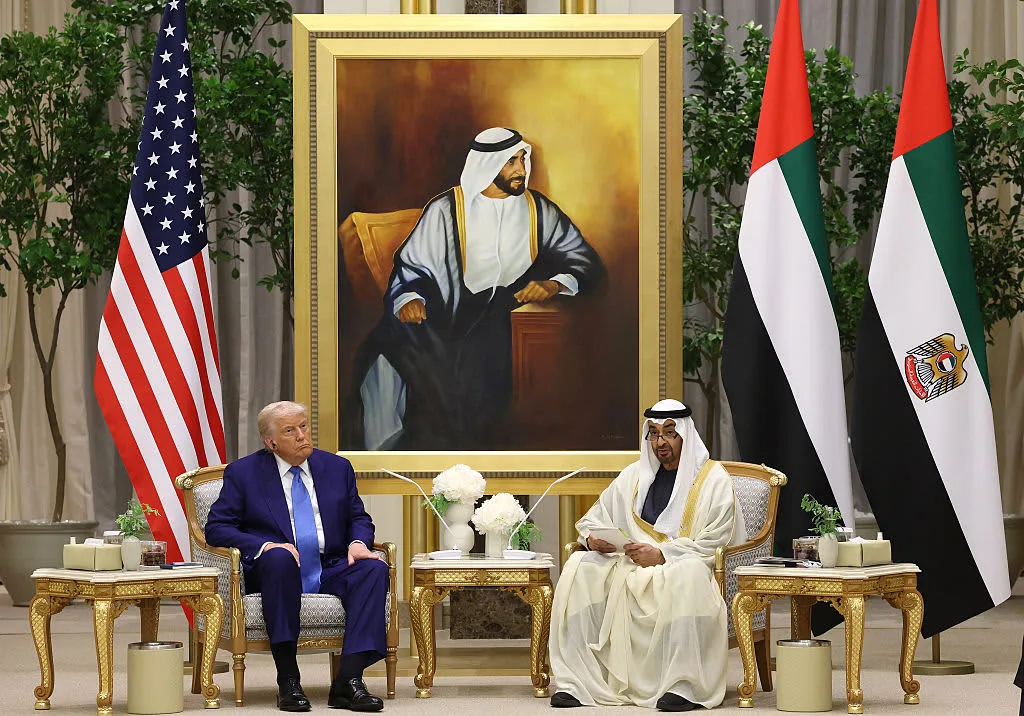
The Trump administration has moved to ease export controls for MGX, a United Arab Emirates-based investment firm that recently used a stablecoin connected to President Trump's family to fund a $2 billion stake in Binance, the world's largest cryptocurrency exchange. The Commerce Department's decision to favorably review export applications involving MGX raises immediate questions about the intersection of U.S. trade policy and the financial interests of the president's family.
Senator Elizabeth Warren has been among the most vocal critics of the arrangement, characterizing a relevant provision as outright "corrupt." Warren's objection points to a broader concern that has shadowed the Trump administration's approach to digital assets: that policy decisions in the crypto space may be shaped, at least in part, by the president's own commercial exposure to the industry rather than by regulatory or national security imperatives.
Read more Trump Removes Election Assistance Commission Members Ahead of Midterms →
The MGX-Binance deal itself is notable on multiple fronts. Binance has faced significant legal scrutiny in the United States in recent years, including a landmark settlement over anti-money-laundering violations. The decision to route a $2 billion investment through a stablecoin linked to the Trump family — rather than conventional financial instruments — amplifies the optics of the Commerce Department's subsequent favorable treatment of MGX in the export review process.
What makes this episode analytically significant is the compounding nature of the entanglements. A foreign sovereign-adjacent investment vehicle uses a Trump-affiliated financial instrument for a major deal, and the U.S. government then extends a regulatory benefit to that same vehicle. Each link in that chain might be defensible in isolation; together, they form a pattern that critics argue erodes the institutional credibility of U.S. export control policy, which has historically been treated as a national security function insulated from political considerations.
Continue reading at US Top News and Analysis.