Michigan Democratic Senate Primary Turns on AI and Data Center Fears
Abdul El-Sayed and Rep. Haley Stevens face off Aug. 4 in a primary where tech anxiety may decide the outcome.
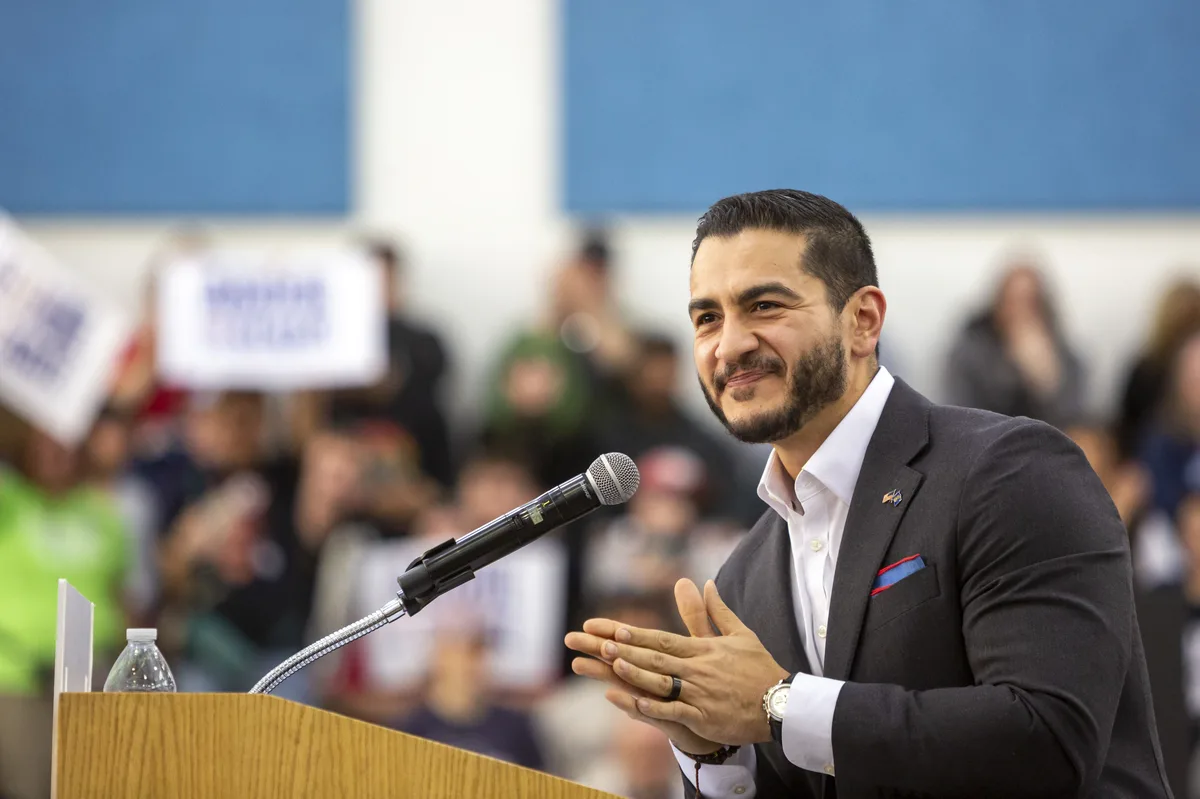
A Michigan Democratic Senate primary scheduled for August 4 is shaping up as a closely watched contest between Abdul El-Sayed, a physician and former gubernatorial candidate, and Representative Haley Stevens — with concerns over artificial intelligence and data center development emerging as potentially decisive issues for Democratic voters in the state.
The race is notable not only for its competitive dynamics but for the issues driving voter sentiment. Anxiety over AI's economic and environmental footprint, including the energy-intensive demands of data centers, has become a tangible political force in industrial states like Michigan, where communities are acutely aware of job displacement and infrastructure strain. That these concerns are surfacing in a Democratic primary signals how quickly technology policy has migrated from niche to mainstream within the party's base.
Read more Trump Removes Election Assistance Commission Members Ahead of Midterms →
El-Sayed, a progressive whose 2018 gubernatorial bid built him a national profile, and Stevens, an incumbent congresswoman with a record tied closely to manufacturing and innovation policy, represent distinct visions for how Democrats should engage with the tech economy. The outcome could offer an early indicator of whether the party's grassroots is moving toward skepticism of unchecked technological expansion or remains aligned with a pro-growth, innovation-friendly posture.
Michigan's political geography adds further weight to the contest. As a perennial battleground state, the winner of this primary will face scrutiny from both parties heading into the general election, and the platform that prevails on AI and data infrastructure could shape Democratic messaging on technology well beyond state lines.
Continue reading at US Top News and Analysis.