Democrats Press Trump, Lutnick Over Critical Mineral Deal Ties
Senate Democrats are demanding records on family business connections to critical mineral agreements, raising conflict-of-interest concerns.
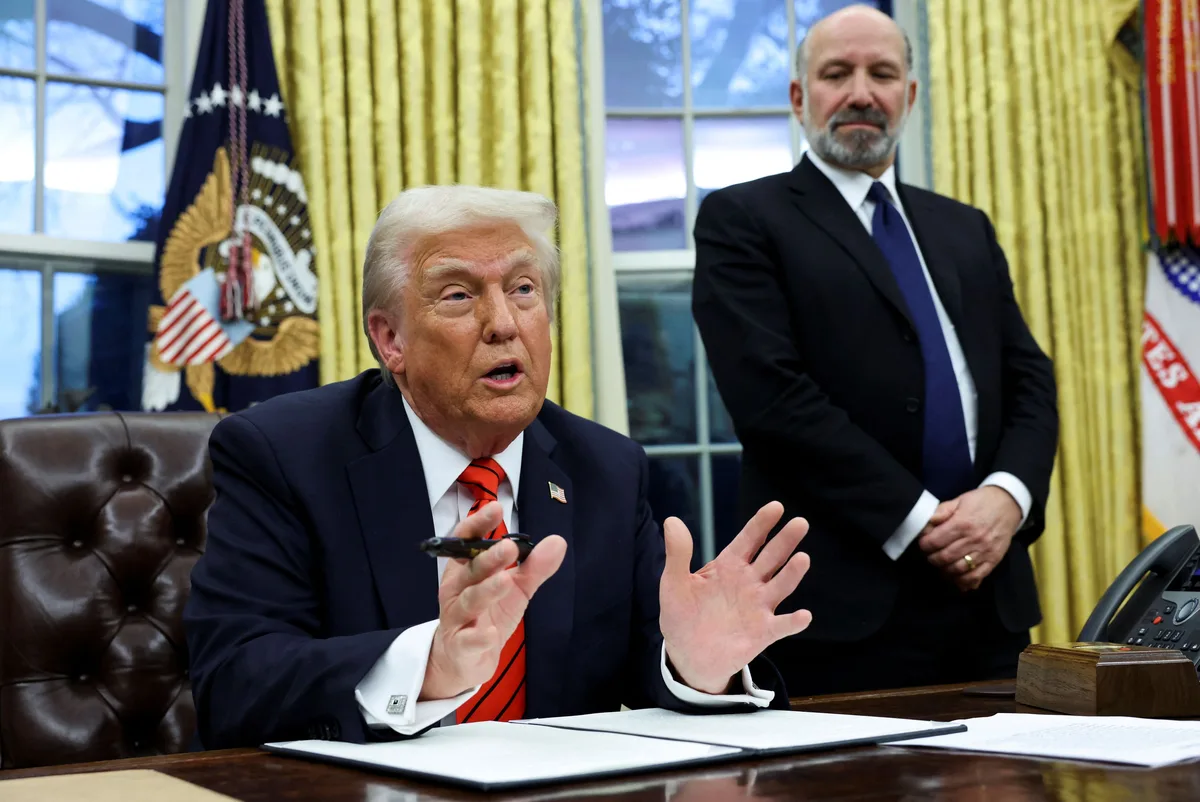
Senate Democrats have formally requested that multiple federal agencies preserve all documents related to potential financial ties between the Trump and Lutnick families and a series of critical mineral deals, escalating scrutiny over whether private business interests are shaping U.S. resource policy.
The senators directed their preservation demands at five powerful federal bodies: the Departments of Commerce, Defense, Energy, and Interior, as well as the Export-Import Bank — institutions that collectively oversee the financing, security, and regulatory approval of the kinds of large-scale mineral agreements now drawing congressional attention. The breadth of the request signals that lawmakers believe the paper trail may run across multiple agencies rather than a single department.
Read more New York Sues Kalshi, Calling Its Platform Illegal Gambling →
Critical minerals — including rare earth elements used in semiconductors, electric vehicles, and defense systems — have become a central geopolitical battleground, with the United States racing to reduce dependence on Chinese supply chains. That strategic urgency has drawn significant private investment interest, making the intersection of public policy and family business connections a particularly sensitive area for ethics watchdogs and opposition lawmakers alike.
Howard Lutnick, confirmed as Commerce Secretary, leads one of the agencies named in the request. His prior role heading a major financial and investment firm has already invited questions about potential conflicts, and the Democratic inquiry appears designed to create a formal record before any deals advance further through the approval process. The records-preservation demand is a procedural step that can precede formal investigations or litigation.
Whether the agencies comply fully — and how quickly — will test the administration's posture toward congressional oversight at a moment when mineral diplomacy is moving rapidly. Continue reading at US Top News and Analysis.