U.S. Sanctions Iran-Linked Bitcoin Insurance Scheme Tied to Hormuz Shipping
Washington targets an Iran-connected crypto insurance network operating in one of the world's most strategically critical maritime corridors.
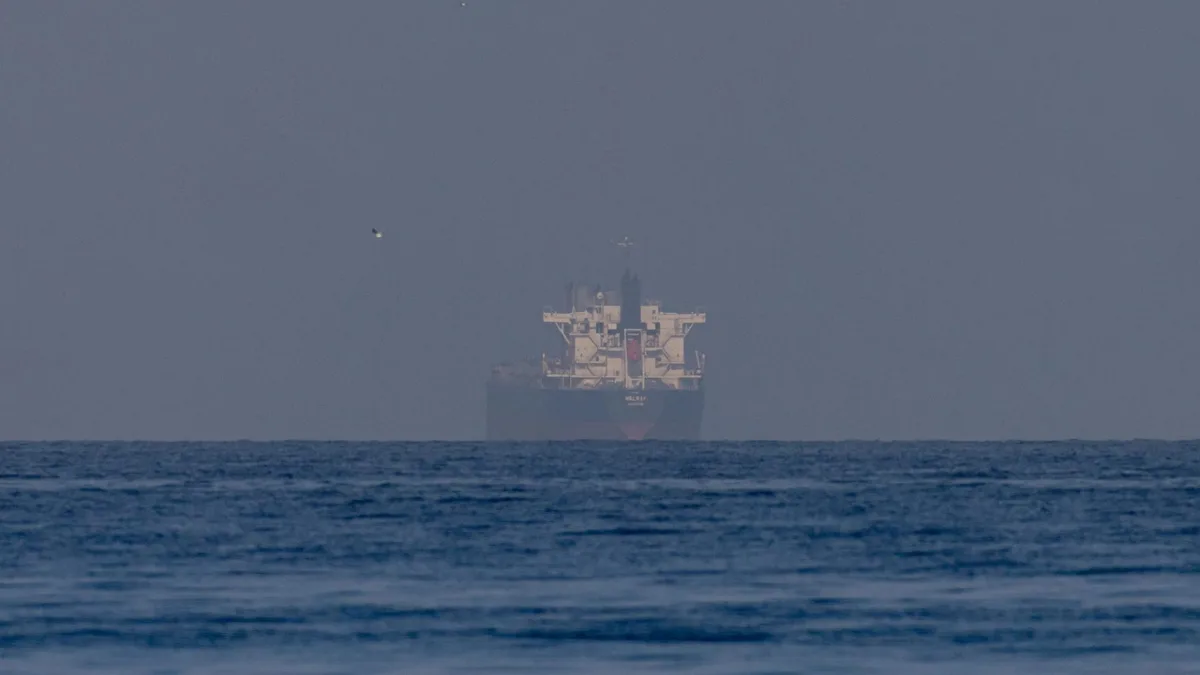
The United States government has moved to sanction an Iran-linked bitcoin-based insurance scheme reportedly operating to cover vessels transiting the Strait of Hormuz, one of the most geopolitically sensitive shipping lanes on the planet. The action signals a broadening of Washington's sanctions enforcement into the cryptocurrency space, where bad actors have increasingly sought to exploit digital assets to circumvent traditional financial controls.
The Strait of Hormuz carries a significant share of global oil exports, making it a perennial flashpoint between Western powers and Tehran. By allegedly routing insurance arrangements through bitcoin rather than conventional financial institutions, the scheme's operators appear to have sought to sidestep the banking restrictions that U.S. and international sanctions typically impose on Iranian entities. That workaround, if effective at scale, could have materially undermined the economic pressure campaign the West has maintained against Iran for years.
Read more Democrats Press Trump, Lutnick Over Critical Mineral Deal Ties →
The targeting of a crypto-denominated insurance network is analytically notable because it suggests Iran and affiliated networks are moving beyond simple cryptocurrency mixing or exchange manipulation and into more sophisticated financial product replication using blockchain infrastructure. Insurance, a cornerstone of global shipping logistics, represents a higher-order financial service — its reconstruction in crypto form points to a maturing sanctions-evasion ecosystem.
For the broader digital asset industry, the designation carries a cautionary message: regulators and enforcement agencies are now scrutinizing not just token transfers but the financial instruments built on top of blockchain rails. Compliance teams at crypto firms with any exposure to maritime finance or Middle Eastern counterparties will likely treat this action as a signal to tighten due-diligence protocols around novel crypto-native financial products.
Continue reading at CoinDesk.