Digital Euro Clears Key European Parliament Hurdle
The digital euro project advanced significantly after securing a pivotal European Parliament vote, marking a major milestone for the eurozone's CBDC ambitions.
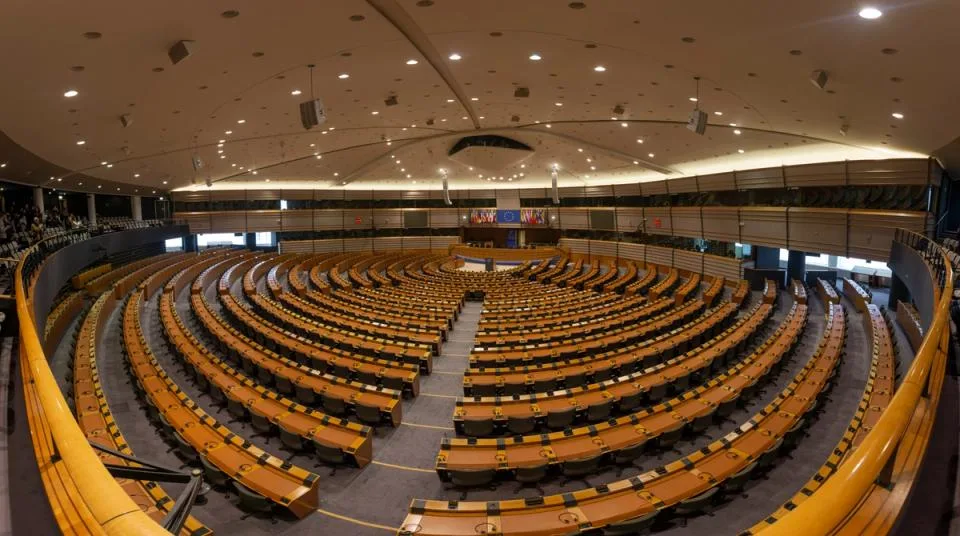
The digital euro moved meaningfully closer to reality after clearing a critical vote in the European Parliament, a development that signals growing institutional consensus around the European Central Bank's long-running central bank digital currency initiative. While the project has spent years in research and design phases, legislative endorsement at this level represents a qualitative shift from concept to credible policy priority.
For the eurozone's 350-million-plus citizens, a digital euro would function as a public, ECB-backed alternative to private payment platforms — think a government-issued digital wallet that carries the same legal tender status as physical cash. Proponents argue this addresses a structural vulnerability: Europe's retail payment infrastructure is dominated by non-European entities, and a sovereign digital currency would reduce that dependency while expanding financial inclusion.
Read more IAEA Chief Confirms Iran Inspections Will Proceed Amid Talks →
The parliamentary vote matters because it reflects political will, not just central bank ambition. The ECB cannot unilaterally introduce a retail CBDC without legislative backing from EU institutions, meaning this approval clears one of the most consequential procedural gates the project faces. Skeptics, including some privacy advocates and commercial banks worried about disintermediation, have raised concerns that will likely shape how the final framework is designed.
Analysts watching the broader global CBDC race will note that Europe's progress arrives as other major economies — China, the Bahamas, Nigeria — have already launched digital currencies, while the United States remains deeply divided on the concept. A fully implemented digital euro would represent the largest-economy CBDC deployment in history, with implications for monetary sovereignty, transatlantic financial flows, and the long-term role of the U.S. dollar in global trade.
The road from parliamentary vote to consumer wallet remains long, involving technical buildout, privacy legislation alignment, and ECB board decisions still ahead. Continue reading at CoinDesk.